Post by : Vansh
Kumar
Cultural Mosaic: Exploring How Diversity Shapes Identities, Communities, and the Modern World
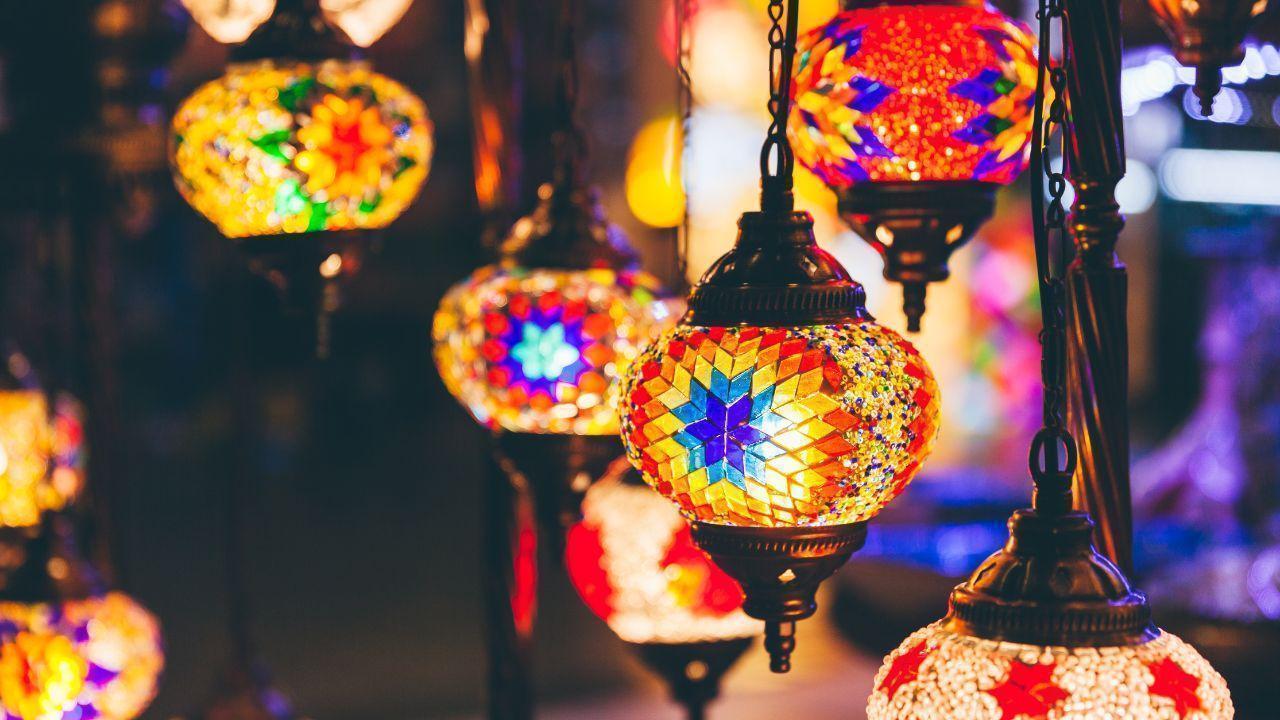
In today’s interconnected society, the concept of a cultural mosaic has become more relevant than ever. Unlike the idea of a melting pot, where cultures blend into one dominant identity, a cultural mosaic allows different traditions, beliefs, and practices to coexist while maintaining their uniqueness. This concept emphasizes how diversity is not just about coexistence but about shaping a more innovative, empathetic, and forward-thinking world.
The Beauty of a Cultural Mosaic
A cultural mosaic represents the coexistence of multiple cultural identities within one society. It highlights that every community, language, and tradition adds value rather than fading away in assimilation. For example, cities like Toronto, New York, and London are prime examples of how diverse communities live side by side, enriching one another’s lives through food, art, festivals, and traditions. This blending without erasure fosters mutual respect and appreciation, setting the foundation for peaceful cohabitation.
Diversity as a Strength
The phrase “unity in diversity” finds its most authentic meaning in a cultural mosaic. Each culture brings unique perspectives, values, and innovations. From traditional medicines and cuisines to art forms and storytelling techniques, diversity has always enriched societies. Moreover, diverse teams in workplaces often outperform homogenous ones, as they bring a wide range of experiences and problem-solving skills. This shows that cultural differences, when respected, can become powerful tools for global progress.
Culture and Identity in a Globalized World
In a rapidly globalizing world, many fear that traditional practices may be overshadowed by modern trends. However, the cultural mosaic model ensures that globalization does not mean uniformity. Instead, it gives room for traditions to thrive alongside modern innovations. For instance, while digital platforms spread global trends, they also allow indigenous communities to share their art, language, and knowledge with wider audiences, preserving their heritage.
Bridging Gaps Through Shared Experiences
The cultural mosaic also emphasizes building bridges rather than walls. Food festivals, music concerts, and cultural exhibitions create opportunities for people to experience traditions other than their own. These experiences not only promote curiosity but also break stereotypes, paving the way for mutual understanding. When people taste cuisines from another country, listen to its music, or celebrate its festivals, they recognize the humanity that unites us all, beyond cultural differences.
Challenges in a Cultural Mosaic
While diversity brings strength, it also comes with challenges. Misunderstandings, prejudice, and discrimination can occur when differences are not celebrated but feared. The success of a cultural mosaic depends on education, open dialogue, and inclusion. Schools, workplaces, and communities must actively encourage cultural awareness programs to ensure respect and equality. Only then can the mosaic remain vibrant and resilient.
The Role of Media and Technology
Modern media and technology have accelerated the spread of cultural awareness. Social media platforms, films, and documentaries showcase different lifestyles, traditions, and struggles, encouraging empathy. This global storytelling contributes to the cultural mosaic by making people more aware of perspectives beyond their immediate environment. It also allows marginalized voices to be heard, ensuring their traditions and stories remain part of the global narrative.
The Future of the Cultural Mosaic
As migration continues and societies become more interconnected, the cultural mosaic will define the future of global living. The younger generation, growing up with exposure to multiple cultures, is more likely to embrace diversity and reject intolerance. Education systems are also increasingly including cultural studies in their curriculum, ensuring that students learn about empathy, tolerance, and global citizenship from an early age.
Disclaimer:
The views and insights shared in this article are meant to provide general knowledge and perspectives on cultural diversity and its impact. Readers are encouraged to interpret and apply the information in ways that align with their own experiences and beliefs. This content is published by GCC news network for informational purposes only.


 English