Post by : Saif
Al-Najjar
Japan has confirmed its willingness to take measures aimed at stabilizing the yen, despite the International Monetary Fund (IMF) categorizing it as a floating exchange rate. The nation's leading foreign exchange representative stated that this classification does not preclude intervention to support the currency when necessary.
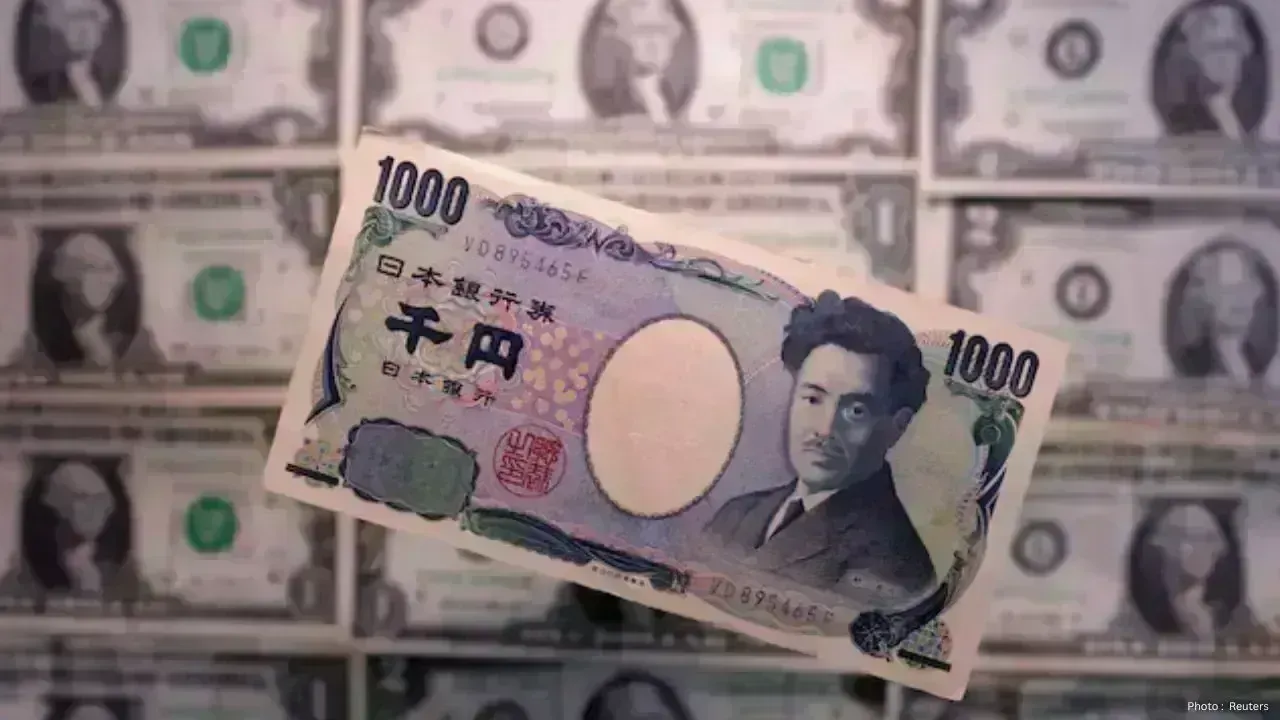
This declaration comes at a crucial moment as the yen faces intense pressure within international currency markets. The yen has notably weakened against the US dollar recently, raising alarm regarding surging import expenses and potential economic instability.
Japanese officials are now closely monitoring currency fluctuations, with warnings of potential intervention should the yen experience rapid or significant instability. Such interventions typically involve government activities that buy or sell the currency to influence its market value.
Currency classification by the IMF reflects its management style. A floating exchange rate indicates that market forces primarily dictate a currency's value. However, Japanese authorities emphasize that intervention is still within their rights during times of severe market upheaval.
The head of forex in Japan reiterated that the IMF's classification does not prevent nations from addressing excessive volatility. The priority, he noted, lies in curbing chaotic fluctuations that threaten economic stability rather than constant currency control.
The declining yen poses both obstacles and advantages for Japan. A weaker yen escalates the costs of imports, raising expenses for essentials like fuel, food, and materials, which could trigger inflation.
Conversely, exporters may benefit, as Japanese goods sold abroad can yield higher profits when converted back into yen, promoting economic growth and enhancing corporate earnings.
Nevertheless, sudden or erratic currency shifts can lead to uncertainty in financial markets, complicating businesses’ planning and causing investor apprehension. Consequently, governments may choose to intervene to stabilize markets.
Japan has a record of acting during periods of extreme currency volatility, previously undertaking yen purchases to bolster its value. These interventions generally occur in coordination with central banks and are closely observed by global financial bodies.
The prevailing scenario is also shaped by global economic dynamics, particularly the interest rate disparities between Japan and the US, which have significantly impacted the yen. While the US Federal Reserve raises rates to counter inflation, Japan maintains comparatively low rates to foster growth.
This differential makes the US dollar more appealing to investors, resulting in lower demand for the yen. This situation pressures Japan to manage its currency while maintaining global financial stability.
The message from Japan’s forex chief aims to reassure the market. By signaling a readiness to act, officials intend to deter excessive speculation against the yen, as often verbal communications can sway market sentiment.
Experts believe Japan will continue adopting a cautious strategy. Direct market intervention is viewed as a last resort, typically deployed only amidst notable market turmoil. Generally, governments prefer to leverage dialogue and policy modifications to navigate market trends.
The IMF plays a vital role in supervising worldwide currency behavior. While it champions flexible exchange rates, it recognizes nations' rights to intervene during chaotic or detrimental market shifts.
Japan’s stance underscores a balanced approach to adhering to global financial regulations while safeguarding its own economic interests. The government aims for stability without instigating unnecessary friction in international markets.
This situation illustrates the interconnectivity of global economies, where fluctuations in one country's currency can influence trade, investments, and financial systems worldwide. Therefore, clear communication and coordination between nations are increasingly essential.
At this juncture, Japan remains vigilant regarding the yen and international market movements. While prepared for intervention if necessary, authorities are also cautious about the timing and potential consequences of any actions taken.
In summary, Japan's message is unmistakable: although the yen operates under a floating exchange rate framework, the government stands ready to intervene should market fluctuations reach critical levels. Ensuring stability remains their primary objective as global economic conditions evolve.


 English