Post by : Saif
Al-Najjar
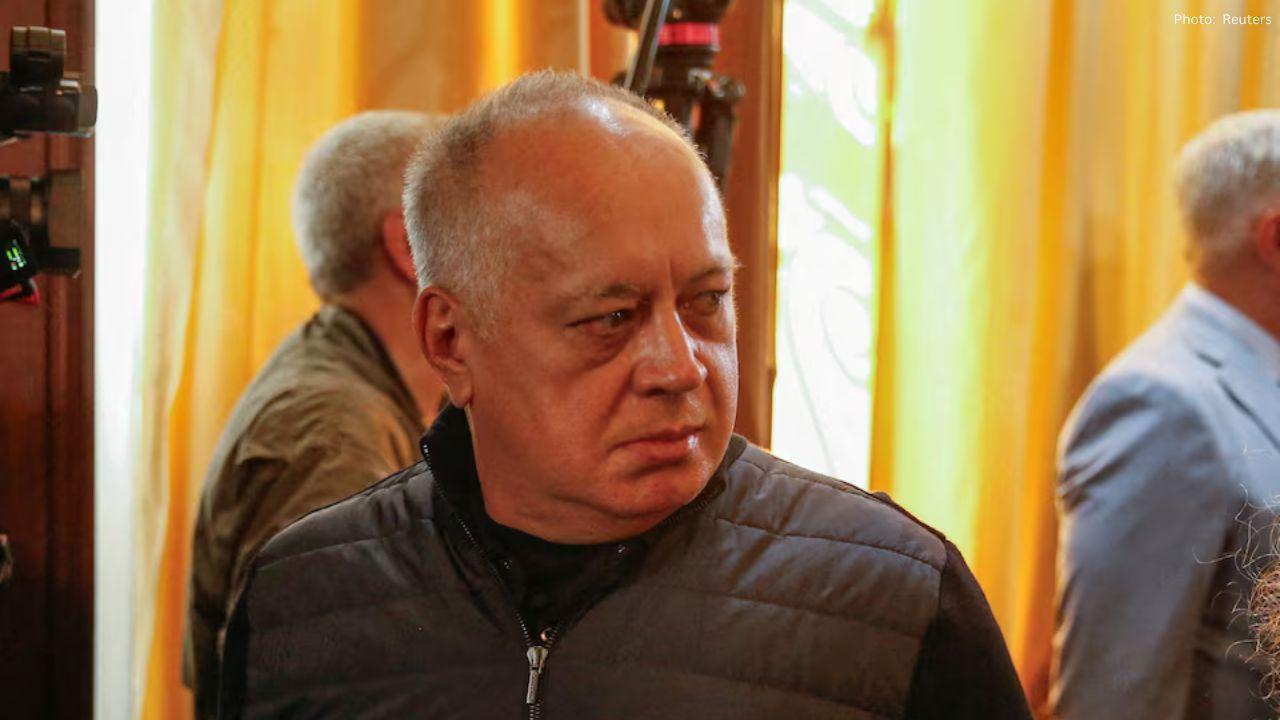
The United States has shifted its focus to Venezuela's security leaders in the aftermath of President Nicolas Maduro's capture, according to insiders familiar with U.S. strategy. The administration has issued dire warnings to Diosdado Cabello, the Interior Minister, indicating severe repercussions if he fails to collaborate with Interim President Delcy Rodriguez along with U.S. directives.
Cabello, a significant powerholder overseeing Venezuela’s security apparatus, has long been implicated in human rights violations and political crackdowns during Maduro's regime. Officials in Washington perceive him as both a potential barrier and a temporary partner, crucial for maintaining calm and stability in the country. Likewise, Defense Minister Vladimir Padrino, who is also under a U.S. drug trafficking indictment, is recognized as an essential figure in preventing a power void.
The White House is advocating for immediate advancements in matters that align with U.S. interests, such as safeguarding Venezuela's oil infrastructure, combating drug trafficking, removing Cuban security agents, and decreasing ties with Iran. Sources reveal that both threats and financial incentives, which might include the potential confiscation of offshore assets, are being utilized to guarantee compliance.
U.S. officials are proceeding cautiously regarding the deployment of ground forces, as they fear backlash from pro-government factions known as colectivos, who may react violently if Cabello or Padrino is suddenly removed. Rather, Washington is hoping to rely on the existing inner circle to offer temporary stability.
Despite Maduro’s swift removal, the political atmosphere in Venezuela remains tenuous. Historically, Cabello and Rodriguez have been rivals within the ruling Socialist Party, raising doubts about their capacity to cooperate effectively. The U.S. is banking on Rodriguez, perceived as a pragmatic technocrat open to collaboration with Washington, to serve as a pivotal figure during the transition.
Experts caution that this strategy entails potential downsides. While it may facilitate short-term control and access to Venezuela’s oil resources, critics argue it risks being viewed as neo-colonialism and could breach international laws. The United Nations has previously documented severe human rights violations committed by Venezuela's security forces, highlighting the difficulties of depending on figures like Cabello for maintaining order.
At present, the U.S. strategy prioritizes negotiation and leverage over military intervention, with the aim of stabilizing Venezuela while safeguarding its strategic interests. The administration remains uncertain how effectively it can navigate the fragile balance of coercion, cooperation, and access to oil, yet it has underscored the importance of Rodriguez and pivotal security officials in fulfilling its objectives.


 English