Post by : Bianca
Haleem
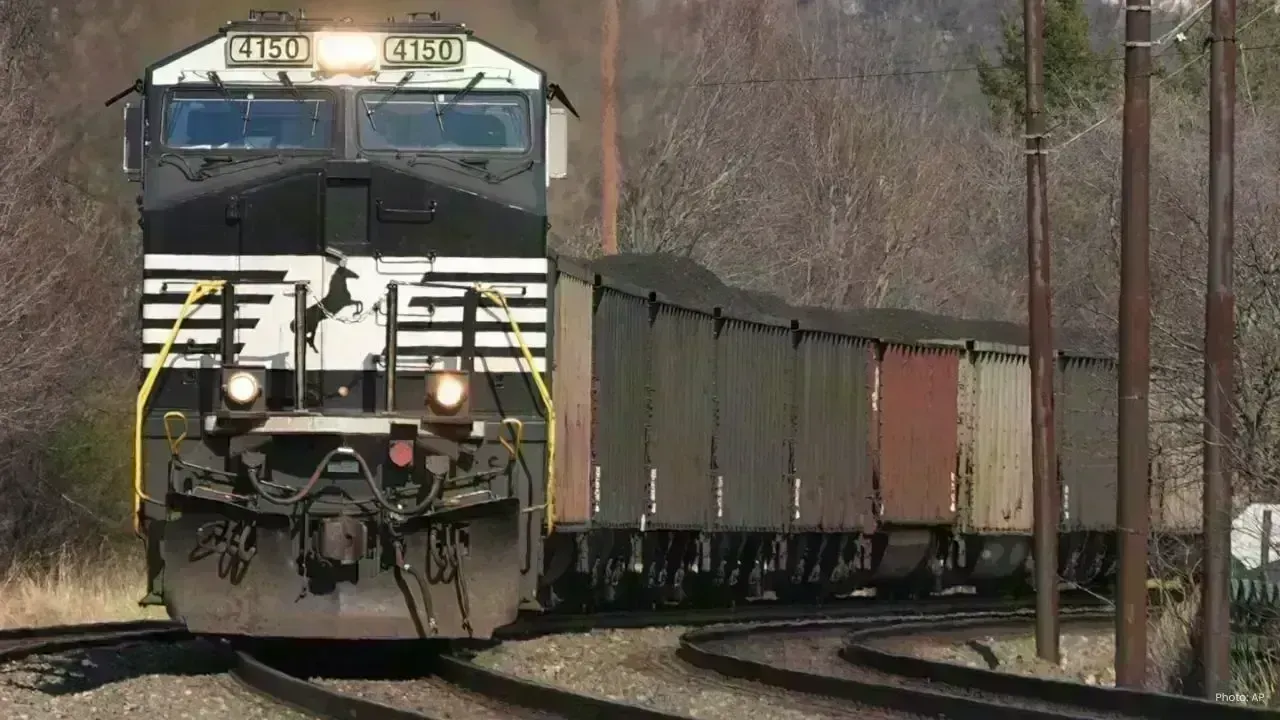
The $85 billion merger proposal between Union Pacific and Norfolk Southern—intended to establish the first coast-to-coast rail system in the U.S.—now faces significant hurdles. Two leading unions representing rail workers have rescinded their endorsement, warning of potential job losses, safety risks, increased shipping costs, and disruption to services nationwide.
This development is pivotal as these unions encompass over half of the workforce across both companies. Their critical stance puts additional pressure on regulatory bodies, clients, and political figures to reassess whether the merger is genuinely beneficial to public interests.
Union Opposition Details
The unions standing against the merger include:
These organizations are part of the Teamsters, which ranks among the largest labor unions in the U.S.
They are joining other significant opponents, including:
The unions' primary argument concerns how the merger could negatively impact competition and increase shipping costs for consumers.
Supporters of the Merger
Despite opposition, the merger still has several advocates, such as:
-
The nation's largest rail union (which represents train conductors)
-
Numerous shipping firms
-
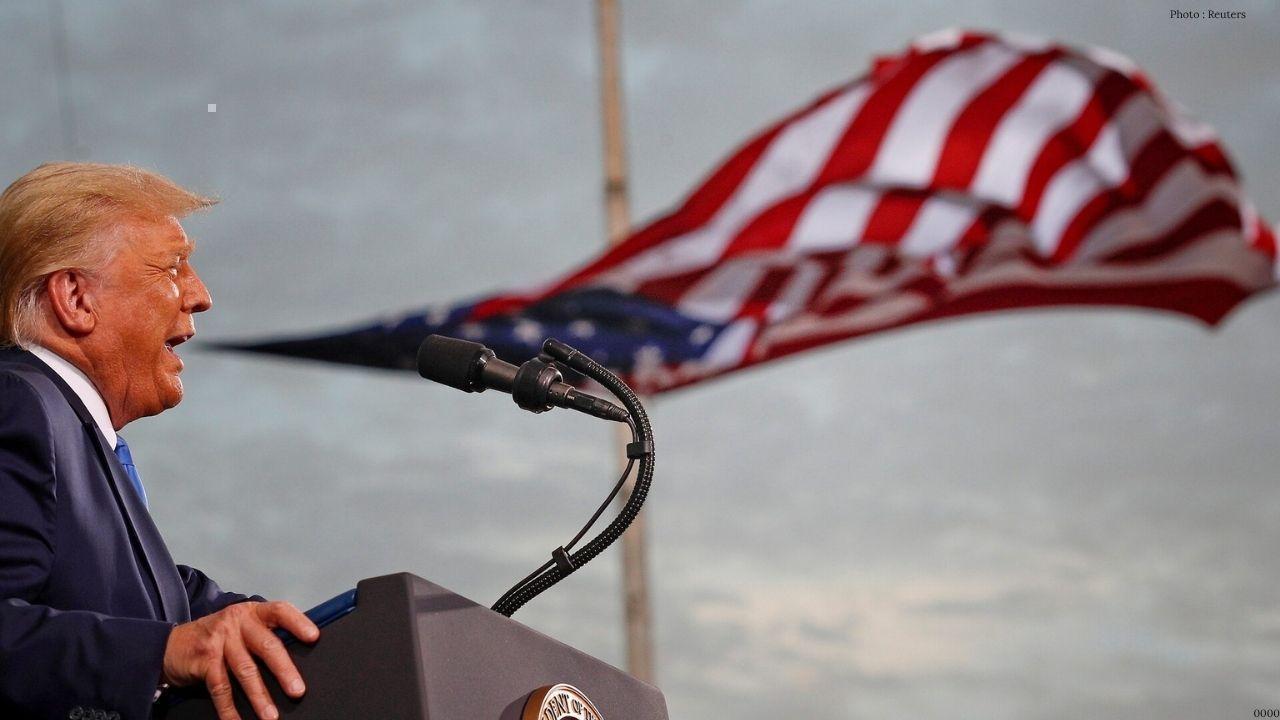
President Donald Trump, who has endorsed the plan as beneficial
Union Pacific's CEO Jim Vena argues that this merger will streamline the rail system, enhancing speed and efficiency. He maintains that eliminating the need for operator changes mid-transit will diminish wait times, boosting rail transport's competitiveness against trucking.
Shareholders from both railroads are also in favor, seeing it as a solid financial venture.
Reasons for Union Concerns
According to the unions, their worries are multifaceted:
1. Job Security
They are troubled by:
-
Potential relocations for workers over vast distances
-
Job losses to smaller rail lines that offer lower wages
-
Absence of legal measures to prevent outsourcing of jobs
While Union Pacific claims to have negotiated a "jobs-for-life" agreement with five unions, BLET and BMWED assert the details lack clarity and reliability.
2. Concerns About Safety
Following a major derailment in East Palestine, Ohio, Norfolk Southern enhanced safety measures, whereas unions argue that Union Pacific has not taken similar actions. They worry that the merger might lead to:
They argue that both public and worker safety could suffer as a result.
3. Rising Shipping Costs
Union representatives caution that the merger could diminish competition, enabling the combined entity to hike prices. In clear terms:
Less competition = higher costs for consumers and businesses.
The unions also express concern about cargo being rerouted to smaller rail alternatives that may delay deliveries.
Wider Implications
Concerns About Competition and Monopoly
This merger might result in a single company managing over 40% of the freight market in the U.S. Experts suggest that this concentration could inspire further mergers, potentially reducing the industry to just two giant rail companies, significantly altering the landscape and control within the rail sector.
One analyst has termed this merger a “paradigm shift”—a transformation of the rail network in an unprecedented manner.
Competitive Pushback: Resistance from BNSF
Warren Buffett’s BNSF Railway firmly opposes the merger. Their main points include:
-
Lack of demand for the merger from customers
-
The proposal prioritizes profit for shareholders
-
Potential hikes in shipping costs
-
Loss of customer options
BNSF advocates for enhanced collaboration between rail companies rather than consolidating them.
Government Oversight: A Challenging Review Process
The U.S. Surface Transportation Board (STB) will have the final say on the merger. The board is bound by stringent criteria, particularly concerning mergers that involve major railroads. Following previous mergers that caused extensive service delays, new guidelines were implemented in 2001.
For the merger to receive approval, the board needs to be assured that:
-
The merger is beneficial for the public
-
Competition will remain intact
-
Prices will not increase
-
Safety will not be compromised
Consequently, the unions' opposition could heavily influence the outcome.
Public Impact of the Merger
The decision on this merger might have far-reaching effects on:
-
Prices for food, fuel, and other consumer goods
-
Rail traffic in smaller communities
-
Employment opportunities in urban and rural areas
-
Road traffic if rail becomes less viable
-
Resilience of the national supply chain
If this merger results in fewer rail routes or increased costs, it could ultimately affect consumer prices in stores.
Evaluating the Merger: Benefits vs. Risks
Supporters argue that the merger may:
-
Accelerate delivery across the country
-
Minimize cargo delays
-
Enhance competition with truck transport
-
Simplify operational processes
Critics counter that it may:
Ultimately, the critical question remains whether the advantages will surpass the potential downsides.
Next Steps in the Process
-
The companies will soon submit a formal application.
-
Stakeholders, including regulators, unions, and businesses, will voice their positions.
-
Hearings will be conducted by the Surface Transportation Board.
-
A final ruling may extend for several months, potentially exceeding a year.
The proposed merger of Union Pacific and Norfolk Southern could significantly transform the U.S. rail landscape, promising improved efficiency and faster deliveries while also raising alarms about possible job losses, price hikes, and safety dilemmas. The outcome of this controversial merger will depend heavily on government evaluations and feedback from involved parties.
As discussions progress, the stakes increase for workers, customers, businesses, communities, and the economy at large.


 English