Post by : Sami
Al-Rahmani
Global Oil Supply Crisis Heightens Market Uncertainty
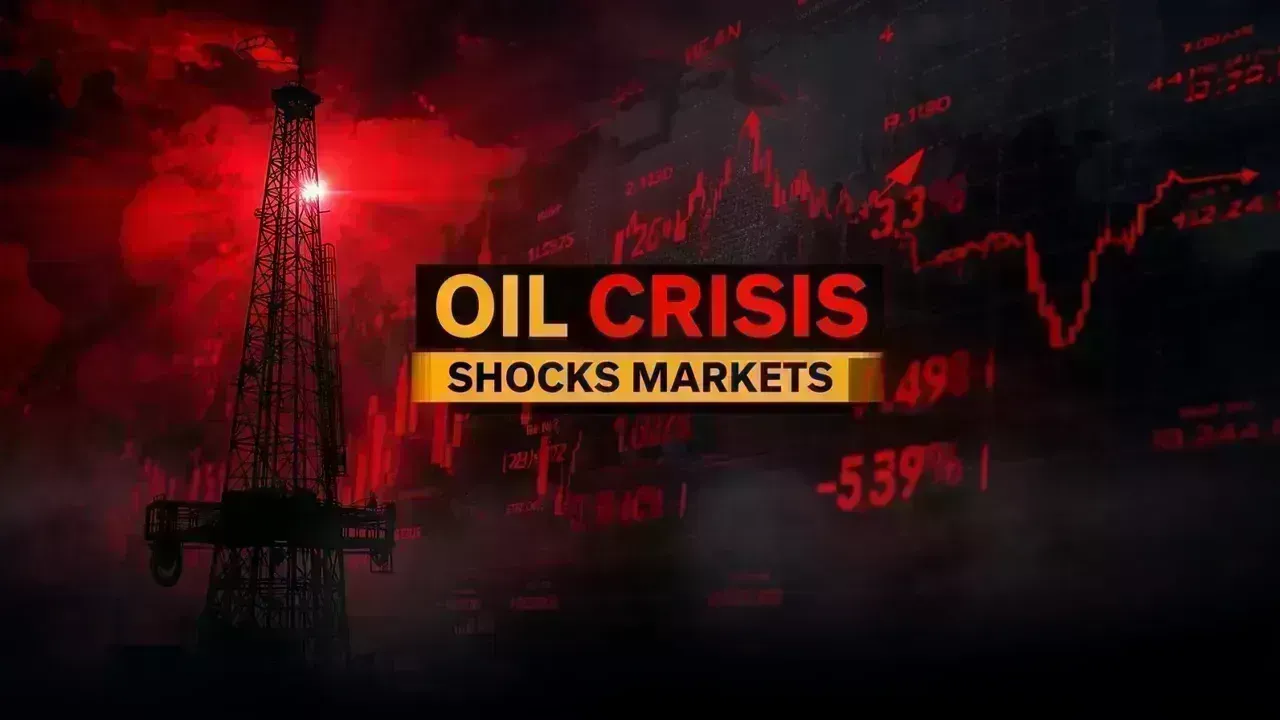
The recent escalation in oil supply disruptions is sending shockwaves through global markets, creating a ripple effect on stocks, currencies, and trade dynamics. What began as a localized concern has morphed into an extensive energy crisis that touches economies worldwide.
At the center of this turmoil is the escalating instability surrounding vital oil transit routes, notably the Strait of Hormuz. This critical chokepoint is indispensable for energy transportation, making any disturbances nearly immediately felt in global supply. As tensions mount, market actions reflect not only the current scarcity but also the looming fear of potential future shortages.
Surge in Oil Prices Fuels Market Fears
Oil prices have surged dramatically amid fears surrounding possible supply shortages. Market behavior reveals that when the stability of global supply is in doubt, prices tend to escalate swiftly, often preempting actual shortages. This is primarily driven by market sentiments and current risks.
This price increase is more than an indicator of demand; it underscores a growing anxiety about energy security. Even minor disruptions can lead to considerable price fluctuations. Consequently, a state of oil price instability may become a regular occurrence, influencing everything from fuel expenses to production costs.
Stock Markets Reflect Growing Pressure
The climbing oil prices are now affecting global stock markets. While energy firms might profit from higher prices, many other industries face soaring costs that threaten profitability.
Investors are becoming increasingly wary, with a number of global indices indicating mixed to downward trends, highlighting uncertainty over future growth prospects. This scenario reflects an intricate interplay between energy costs and stock market fortunes, where changes in oil prices can profoundly impact equity valuations.
Inflationary Pressures Are Mounting
One of the most significant consequences of rising oil prices is the accelerating inflation rate. Given that energy plays a crucial role in transportation and manufacturing, rising fuel prices are often passed down to consumers.
This leads to an environment of energy-induced inflation, where essential goods and services see price hikes. For consumers, this translates to a higher cost of living, while governments face the challenge of curbing inflation without stifling economic growth.
Global Supply Chains Under Strain
The fallout from the crisis is being felt beyond energy markets. Industries reliant on stable supply chains are starting to experience mounting pressures. The increase in fuel costs inflates shipping rates, while the uncertainty hampers timely production.
As a result, a broader disruption in global supply chains is underway, affecting sectors like manufacturing, technology, and retail. Businesses are adapting hurriedly, often incurring additional expenses which compound inflationary pressures and economic instability.
The Critical Importance of the Strait of Hormuz
A sizeable portion of global oil traffic transits through the Strait of Hormuz, making it a focal point for geopolitical strife. Any disruption—be it due to conflicts, restrictions, or security concerns—can swiftly curtail supply.
Thus, market reactions are often pronounced in response to developments in this region. The significance of the route extends beyond its volume; it serves a strategic function in global energy distribution. Even the mere possibility of disruption can trigger panic across energy markets.
Currency Trends and Demand for Safe Havens
As market uncertainty grows, investors typically gravitate toward safer assets. This trend often results in a stronger U.S. dollar, alongside fluctuating volatility in other currencies.
Simultaneously, traditional safe-haven assets such as gold may also experience inconsistent movements based on wider economic sentiments. These fluctuations mirror the complex interplay between global risk perception and financial markets, where investor behavior shifts rapidly during times of instability.
Continued Tightness in Energy Markets Ahead
Experts suggest that the current landscape may persist for a while. A combination of limited supply growth and geopolitical dynamics might prolong pressures on the energy sector.
This signals a trend where energy supply constraints could become commonplace. For both businesses and governments, this necessitates preparedness for elevated costs and ongoing uncertainties in the energy landscape.
Implications for Global Economic Growth
The long-term ramifications of elevated oil prices and supply disruptions could be extensive. Elevated energy expenses diminish consumers’ purchasing power and inflate operational expenditures for businesses.
This amalgamation could slow economic growth, particularly in nations reliant on energy imports. Emerging markets are especially susceptible, often lacking the capacity to absorb such shocks.
The scenario raises concerns regarding a potential deceleration in global economic expansion driven by energy volatility.
Prospects for Market Stabilization
There are possibilities that could aid in stabilizing the situation, such as enhanced diplomatic efforts or increased oil output from alternative sources. However, these solutions require time and may not be guaranteed.
Even with potential improvements, markets are likely to retain a cautious outlook. The current circumstances have demonstrated the speed at which disruptions can transpire, making investors increasingly wary.
Concluding Thoughts: A Widespread Crisis
The ongoing oil supply disruption transcends mere energy markets; it is a global dilemma impacting sectors, governments, and individuals universally. With inflation on the rise and supply chain issues proliferating, the effects are far-reaching.
As the situation continues to evolve, one fact remains evident: energy security and geopolitical stability will be pivotal in shaping the trajectory of global markets. For the time being, the priority is on navigating uncertainty and adjusting to a swiftly changing landscape.
Disclaimer
This article serves solely for informational purposes and expresses general market trends and analysis. Financial markets can transform rapidly due to economic, geopolitical, and policy factors. This content is not intended as financial or investment guidance. Readers should conduct independent research or seek advice from a qualified professional before making financial decisions.


 English