Post by : Samir
Qureshi
Navratri, one of India’s most revered festivals, is not only a time for devotion but also for following a strict traditional diet. Across the country, devotees observe fasts and avoid certain foods, most notably onions and garlic. While it might seem like a modern health trend, this dietary practice has deep spiritual, cultural, and scientific roots. This article explores the reasons behind the no onion, no garlic rule during Navratri and the benefits of following this age-old tradition.
The Essence of Navratri Fasting
Navratri, meaning “nine nights,” is dedicated to worshipping Maa Durga in her nine forms. During this period, devotees observe fasts to purify the body and mind, strengthen focus, and enhance spiritual energy. A major aspect of these fasts is a Sattvic diet, which excludes foods that are considered Tamasik (promoting lethargy) or Rajasic (stimulating passion or aggression).
Onions and garlic fall under the Rajasic and Tamasik categories, which is why they are avoided. By abstaining from these foods, devotees aim to maintain mental clarity, calmness, and spiritual awareness.
Why No Onion and No Garlic?
There are multiple reasons—spiritual, cultural, and health-related—behind the exclusion of onions and garlic during Navratri fasting:
1. Spiritual and Energy Perspective
Onions and garlic are believed to increase passion and aggression in the body. During Navratri, the goal is to elevate spiritual energy, stay calm, and focus on devotion. Foods that are considered Tamasik or Rajasic can disturb this inner balance, so avoiding them helps in maintaining mental purity and concentration.
2. Ayurvedic Logic
According to Ayurveda, onions and garlic are heating foods. They can increase Pitta dosha, leading to restlessness and irritability. During Navratri, a Sattvic diet—including fruits, milk, nuts, and simple grains—helps detoxify the body, balance doshas, and improve digestion.
3. Cultural and Ritual Significance
Navratri is a time of austerity and devotion. Historically, devotees avoided heavy, pungent, or stimulating foods to keep the body light and the mind focused on prayers. Excluding onion and garlic aligns with this principle, making meals pure and spiritually uplifting.
4. Health Benefits of the Navratri Diet
Following a no onion, no garlic diet has several health benefits:
-
Improved digestion and metabolism.
-
Reduced body heat and inflammation.
-
Enhanced mental clarity and calmness.
-
Encouragement of mindful eating with simple, fresh ingredients.
Foods Allowed During Navratri
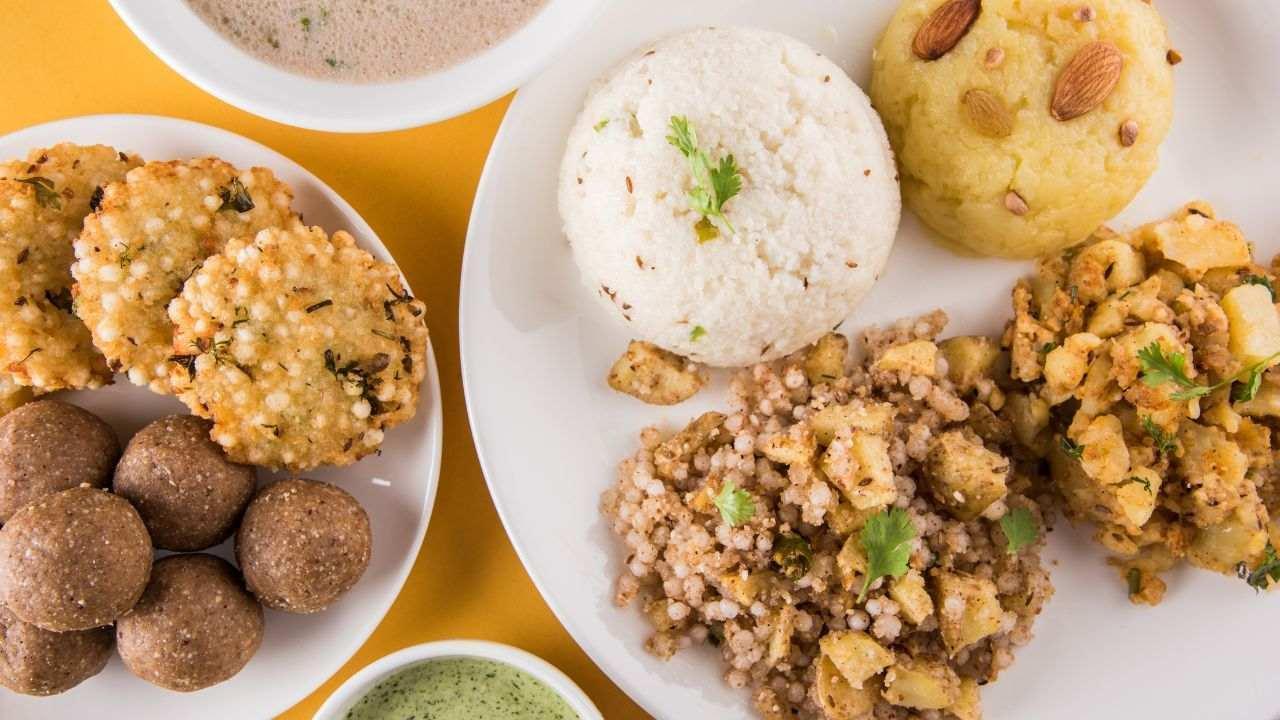
The traditional Navratri diet is simple, nutritious, and Sattvic. Common foods include:
-
Fruits and dry fruits like bananas, apples, almonds, and cashews
-
Milk, yogurt, and paneer for protein
-
Root vegetables like potatoes, sweet potatoes, and carrots
-
Cereals and flours like buckwheat (kuttu), water chestnut (singhara), and rice
-
Herbs and mild spices like cumin, coriander, and rock salt
-
Natural sweeteners like jaggery and honey
These foods help maintain energy levels, support digestion, and keep the body light for prayers and rituals.
Modern Adaptations
While the traditional no onion, no garlic rule is strictly followed by many, some modern variations allow limited use depending on regional practices or health conditions. Many households incorporate Sattvic cooking techniques such as steaming, boiling, and using mild spices instead of fried or processed foods.
Even in contemporary times, this diet serves as a detoxifying practice, giving the body a break from heavy or processed foods while maintaining the spiritual essence of Navratri.
Embracing the Spiritual and Physical Benefits
Observing a Navratri diet without onion and garlic is more than a ritual—it is a holistic practice that balances mind, body, and spirit. By following this Sattvic approach, devotees experience:
-
Increased focus and calmness during prayers
-
Enhanced digestive health and energy
-
A deeper connection to cultural and spiritual traditions
Ultimately, the practice symbolizes self-discipline, purity, and devotion to Maa Durga, reminding us that fasting is not just about food but also about inner cleansing and mindfulness.
Disclaimer
This article is intended for informational and cultural purposes. The Navratri diet and fasting practices may vary by region, community, and individual health conditions. Readers are encouraged to consult local traditions or health professionals before making dietary changes.


 English