Post by : Meena
Hassan
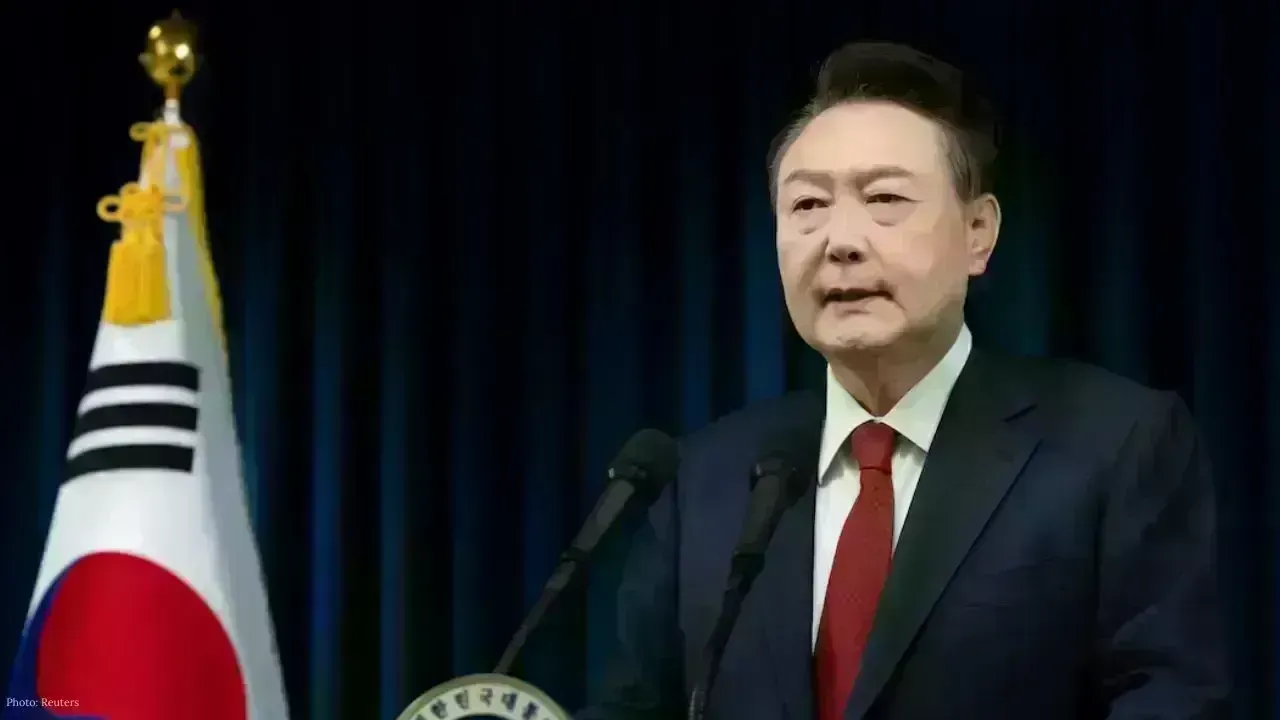
In a pivotal moment, South Korea’s special prosecutor is set to seek a harsh penalty for former president Yoon Suk Yeol, who faces insurrection charges related to his brief martial law declaration in late 2024. This development follows the concluding hearing at a lower court in Seoul, marking a key phase in one of the nation’s most significant political trials in recent history.
Accused of initiating an insurrection, Yoon, 65, allegedly aimed to suspend democratic norms and gain extraordinary authority via martial law. If found guilty, he risks life imprisonment or even the death penalty under South Korean statutes. While capital punishment persists, the country has upheld an informal moratorium on executions since 1997.
During the Seoul Central District Court sessions, prosecutors contended that Yoon and his previous defense minister, Kim Yong-hyun, premeditated this action months prior. They claimed conversations about overriding parliament and consolidating legislative command had begun as early as October 2023. This supposed strategy involved framing political opponents as national threats to justify drastic actions.
Prosecutors further alleged that Yoon aimed to categorize major opposition leaders, such as then-opposition head Lee Jae Myung, as “anti-state forces” and intended to facilitate their arrest during the proposed state of emergency. A shocking accusation from the prosecution indicated that the former leader collaborated to create a pretext for martial law by heightening tensions with North Korea through covert drone operations.
Although the martial law lasted only about six hours, its effect was substantial. The situation unsettled South Korea’s financial markets, alarmed international allies, and raised widespread fears regarding the stability of one of Asia’s most resilient democracies. In a decisive move, lawmakers breached security barricades at the National Assembly to rescind the declaration.
Yoon has refuted all allegations, arguing that the constitution empowered him to declare martial law. He claims his decision was aimed at countering what he termed a continued obstruction by opposition parties, not at overthrowing democracy.
During the recent hearing, Yoon appeared visibly changed, his demeanor altered, dressed in a dark suit, seated next to several co-defendants, including Kim Yong-hyun. The session concentrated on the final arguments of defense and prosecution, with sentencing anticipated to follow.
The court is slated to announce its verdict in February. This ruling is anticipated to conclude a tumultuous chapter that commenced with Yoon’s impeachment and culminated in a snap election that elevated Lee Jae Myung to leadership. Additionally, Yoon is confronted with more allegations, including abuse of power and obstructing an arrest warrant.


 English