Post by : Raina
Al-Fahim
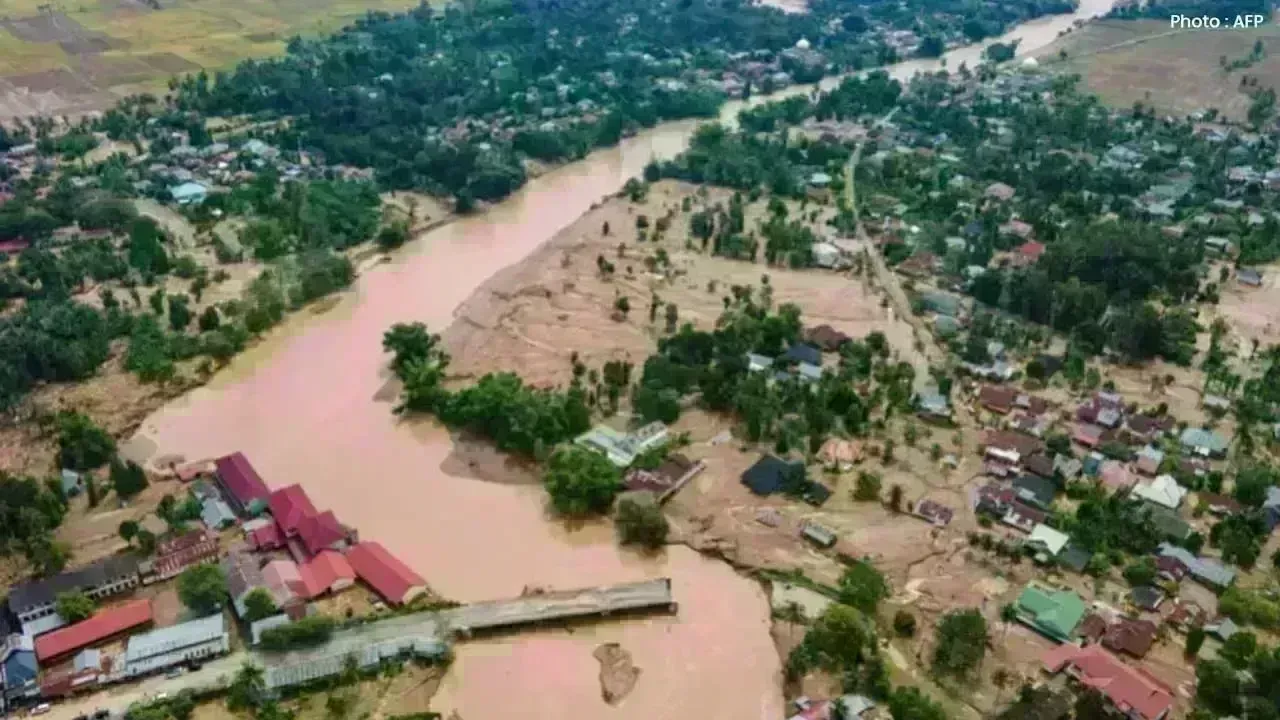
Sri Lanka is currently experiencing its most catastrophic flooding in years, with the death toll escalating to 69 and 34 individuals unaccounted for. The extreme weather has inflicted massive damage, leaving countless homes destroyed and many residents displaced to temporary shelters.
Military personnel, helicopters, and naval vessels have been mobilized to assist those trapped by the swiftly rising waters. Rescue operations have seen residents evacuated from rooftops, trees, and isolated communities beset by relentless floods and mudslides. The Disaster Management Centre (DMC) reported tragic incidents of victims being buried by mudslides in the central part of the country, illustrating the disaster's severity.
Rainfall has been extraordinarily heavy, with certain regions recording as much as 360 millimeters within a single day. The Kelani River, which empties into the Indian Ocean close to Colombo, has overflowed, aggravating the flooding crisis. Local resident V. S. A. Ratnayake, 56, from Kaduwela near Colombo, remarked, "This may be the worst flood we've witnessed in three decades, reminiscent of the flood from the 1990s that submerged my home under seven feet of water."
Over 18,000 individuals have been relocated to temporary shelters as thousands of homes have been adversely affected. In Anuradhapura district, an Air Force helicopter performed a daring rescue of a man who climbed a coconut tree to escape rising floodwaters.
Looking ahead, authorities have alerted the public to the possibility of more rainfall as Cyclone Ditwah shifts from northern Sri Lanka towards southern India. The DMC has warned that water levels may exceed those of the 2016 floods, which claimed 71 lives across the country.
Indian Prime Minister Narendra Modi has extended his condolences to the grieving families and pledged immediate assistance from New Delhi. "We're prepared to provide further aid as the situation develops," he stated.
The flooding has also impacted tourists in the tea-producing central areas, many of whom have been evacuated to Colombo for their safety. While Sri Lanka depends on monsoon rains for hydroelectric power and irrigation, experts caution that climate change is causing such disasters to increase in both frequency and intensity.
This week's floods represent the highest weather-related death toll in Sri Lanka since last June, which saw 26 fatalities due to heavy rains. Notably, the most severe flooding since 2000 occurred in June 2003, resulting in 254 deaths.
As rescue missions continue, officials are urging residents to stay alert and assist with relief efforts. Government, military, and disaster management teams are dedicated to saving lives and limiting further devastation.


 English