Post by : Sami
Al-Rahmani
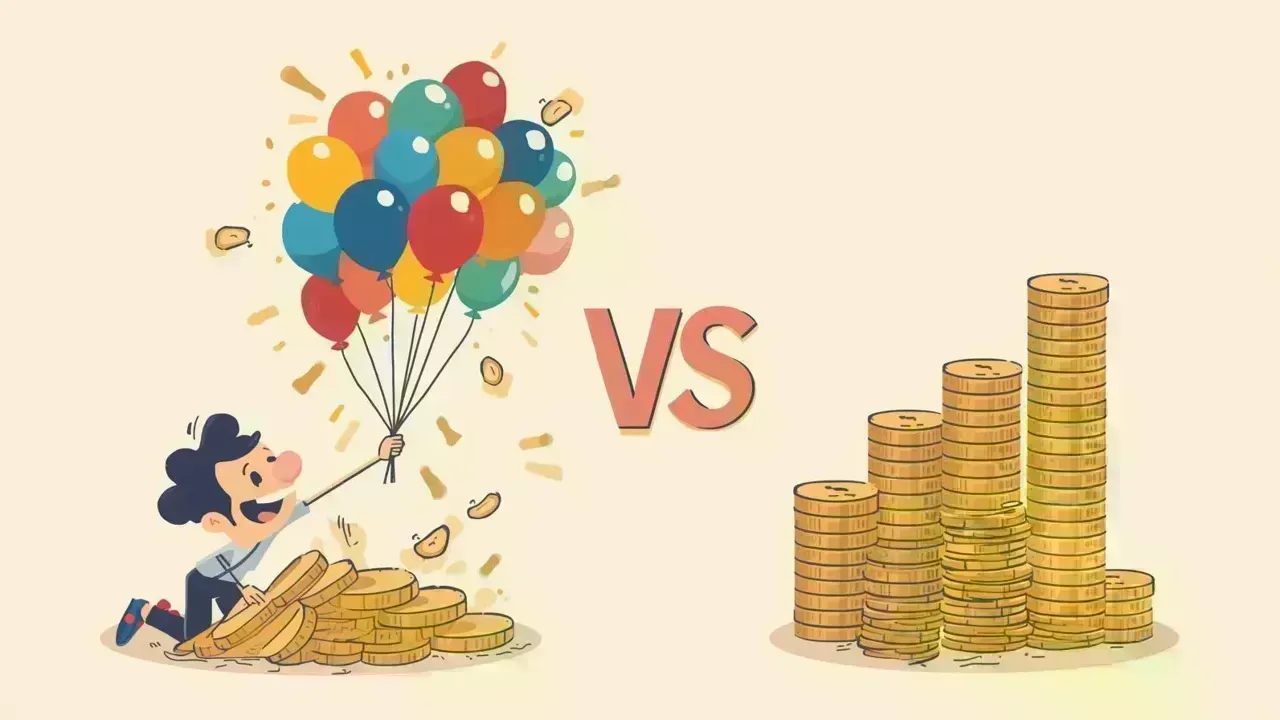
The Dilemma of Immediate Comfort versus Future Financial Security
In our rapidly evolving economy, many people consciously choose immediate comfort over long-term financial strategies. This behavior is typically intentional, fueled by emotional needs, societal influences, fatigue, and the desire for quick satisfaction. While future planning promises security, it often feels abstract and distant compared to the instant gratification that comforts provide.
Why Immediate Satisfaction Seems More Appealing
Human nature tends to prioritize rewards that are immediate and tangible. Long-term advantages appear uncertain, whereas today’s comforts feel guaranteed.
• Purchasing something now brings instant joy
• Saving for later seems slow and intangible
• Postponed rewards require discipline and patience
• Stress propels individuals toward emotional expenditures
This mental disposition makes comfort-driven choices appear easier than those based on planning.
Mental Exhaustion and Choice Overload
Each day bombards us with decisions—work, family, finances, health, and digital disturbances. By evening, cognitive energy is diminished.
• Comfort-driven choices require minimal thought
• Financial planning demands focus and effort
• Fatigue diminishes self-discipline
• Small purchases seem inconsequential in the moment
When exhausted, individuals often default to simpler choices instead of wiser financial ones.
Lifestyle Growth and Social Expectations
As earnings increase, lifestyle demands follow suit. Comfort morphs from luxury into expectation.
• Upgrading phones, cars, and homes becomes essential
• Social media promotes higher spending norms
• Lifestyle comparisons amplify pressure
• Refusing indulgences feels like missing out
Such forces subtly nudge people towards immediate satisfaction rather than disciplined planning.
The Fallacy of “I’ll Manage Later”
Many postpone financial planning, convinced future income will address current overspending.
• Anticipating promotions or business growth
• Mentally allocating bonuses before they arrive
• Retirement feels far off
• Emergencies seem unlikely
This approach leads to inaction until financial strain becomes critical.
Emotional Spending as a Coping Mechanism
Spending for comfort often stems from emotional responses rather than logical decisions.
• Food, travel, and retail therapy offer fleeting relief
• Purchases create a semblance of control
• Financial planning feels confining during stressful periods
• Emotional gratification overshadows rational judgment
Regrettably, the comfort gained is short-lived, while financial ramifications endure.
Why Long-Term Planning Appears Unappealing
Long-term financial planning struggles to compete with immediate comforts due to the absence of instant feedback.
• Savings don’t yield immediate gratification
• Investment growth necessitates time
• Daily benefits remain unseen
• Discipline may feel like deprivation
Without visible short-term prizes, planning can feel less engaging compared to comfort spending.
The Gradual Impact of Short-Term Comfort on Stability
Repeatedly choosing comfort can create patterns that gradually erode fiscal health.
• Savings remain inadequate
• Debt becomes a norm
• Emergency funds remain incomplete
• Financial anxiety escalates over time
What appears harmless in isolation can turn detrimental when practiced consistently.
The Hidden Costs of Comfort versus Security
Every decision made for comfort carries an unseen price.
• Excess spending limits future opportunities
• Missed savings prolong financial independence
• Debt constrains life choices
• Increased stress during financial upheavals
Security is built in silence, while comfort loudly announces its presence—making the trade-offs hard to recognize.
The Regret of Financial Choices
Regret often surfaces when repercussions become unavoidable.
• Medical emergencies reveal savings shortfalls
• Job loss highlights financial vulnerability
• Rising family responsibilities escalate stress
• Retirement planning feels rushed
At this juncture, previous enjoyed comforts offer no safeguards.
Finding a Balance Between Comfort and Financial Planning
Achieving financial solidity does not necessitate the elimination of comfort, but rather its conscious management.
• Set limits on guilt-free expenditure for comfort
• Prioritize automated savings before other spending
• Plan for enjoyment without excess
• Regularly review finances monthly instead of yearly
• Reward disciplined savings with controlled comforts
Balance is more effective than strict denial.
Shifting Perspectives on Financial Planning
Financial planning can be streamlined when seen in a positive light.
• Planning equates to freedom, not constraint
• Savings represent opportunities, not sacrifice
• Discipline cultivates long-term comfort
• Stability alleviates emotional stress
When planning links to peace of mind, it becomes a rewarding experience.
Long-Term Planning as the True Comfort
Authentic comfort isn’t just constant spending, but a sense of financial serenity.
• The ability to manage emergencies with confidence
• The freedom to modify careers or lifestyles
• Reduced anxiety regarding finances
• Achieving long-term independence
This type of comfort may be subtle, but it grows stronger and lasts longer.
Closing Reflections
Immediate comfort frequently prevails as it offers instant, emotional, and effortless satisfaction, while long-term financial strategies can seem tedious and demanding. However, relying solely on comfort can lead to instability over time. The goal is to not select one over the other but to learn how to harmonize both. When financial planning transforms into a habit rather than a burden, it ultimately provides the most profound sense of comfort—security, control, and tranquility.
Disclaimer
This article serves informational purposes only and should not be perceived as financial or investment advice. Individual financial circumstances may differ, and readers should contemplate their unique situations or consult a qualified professional prior to making any financial decisions.


 English