Post by : Sami
Al-Rahmani
The Hidden Impact of Hard Water on Hair Loss
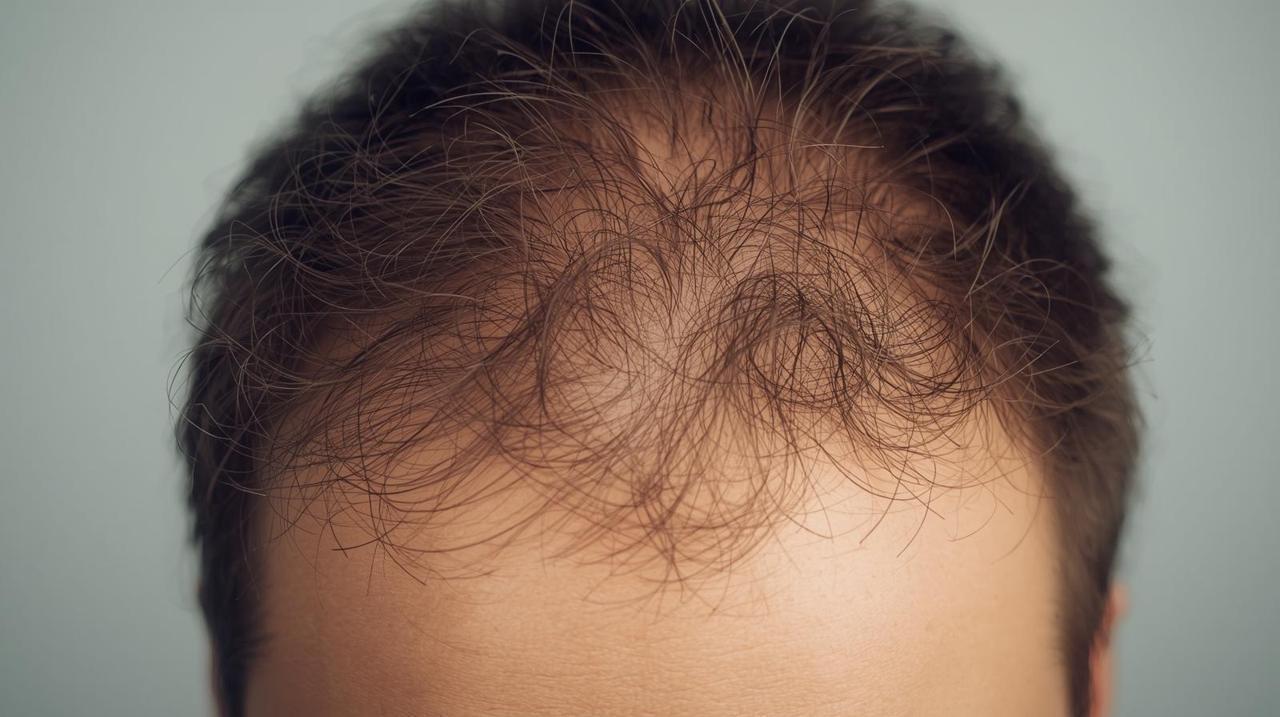
Hair loss can arise from various factors—stress, diet, genetics, hormonal changes—but one often overlooked cause is hard water. If you're experiencing significant shedding, a dry scalp, coarse hair, or lack of growth despite caring for your locks, the minerals in your water might be harming your strands daily. Hard water is characterized by high levels of calcium and magnesium that bond to your hair and scalp, weakening the roots, clogging follicles, and diminishing moisture absorption. This piece delves into how hard water leads to hair loss, how to recognize its effects, and effective measures to safeguard your hair.
The Effects of Hard Water on Hair and Scalp
Minerals from hard water accumulate on your scalp and hair shaft, creating a barrier that hampers moisture and nutrient uptake.
Consequences for Hair Loss
Calcium buildup clogs hair follicles, while magnesium strips away natural oils, resulting in dryness. The mineral deposits render hair brittle, increasing the risk of breakage. Excess buildup can heighten scalp inflammation.
When your scalp’s health declines, the hair growth cycle is compromised, leading to increased shedding and thinning.
Identifying Hair Loss Caused by Hard Water
Many people blame their shampoos or health for hair concerns, but hard water often presents a unique set of symptoms.
Key Signs
Hair feels dry and straw-like even after conditioning. It breaks easily during brushing. The scalp is itchy or flaky. Shampoo lather is poor. Hair appears dull and lifeless. Color-treated hair fades quickly.
If you're experiencing several of these symptoms, hard water may be the culprit.
The Structural Damage Hard Water Inflicts on Hair
Minerals from the water attach to the external layer of hair follicles, preventing the cuticle from closing and making it rough.
The Resulting Impact
This leads to hair becoming porous and losing moisture rapidly. The incidence of split ends rises due to constant friction. Hair grows weaker since nutrients struggle to reach it.
Over time, this compromises the integrity of each hair strand from root to tip.
How Hard Water Impedes Hair Growth
When calcium forms deposits in hair follicles, new hair struggles to grow robustly.
Resulting Growth Challenges
Your natural growth cycle slows, leading to thinner new hair. Some follicles diminish in size entirely. Chronic shedding may become a long-standing issue.
This is why individuals in hard water regions often contend with ongoing thinning of hair.
Assessing Hard Water Presence in Your Home
Before addressing the problem, it's crucial to identify whether your home has hard water.
Easy Detection Methods
Soap test: if soap fails to lather and leaves a residue on your skin, the water is hard. White mineral deposits on faucets, tiles, or kettles indicate high calcium content. Hair remains coarse even after conditioning. You reside in an area notorious for hard water.
Though water testing through a lab or TDS meter ensures accuracy, these indicators are often sufficient.
Strategies to Minimize Hair Loss Due to Hard Water
You don’t need to revamp your entire lifestyle—simple changes can shield your hair.
Install a Shower Filter
A high-quality filter eliminates chlorine, calcium, and magnesium, softening the water and minimizing mineral accumulation.
Consider a Water Softener
This is the most effective long-term strategy for residences, addressing the problem at its source.
Use Chelating Rinses
Rinsing with apple cider vinegar, lemon juice, or citric acid weekly can help dislodge mineral deposits.
Opt for Chelating or Clarifying Shampoos
Select shampoos containing EDTA or chelating agents to wash away buildup.
Incorporate Deep Conditioning
With hard water depleting moisture, regular usage of deep conditioning masks can restore softness.
Apply Lightweight Oils
Oils such as argan, sweet almond, or grapeseed create a protective barrier to mitigate mineral contact.
Key Ingredients That Combat Hard Water Damage
Choosing the right products can be more effective in mineral-rich environments.
Look for Products Containing
Niacinamide for scalp health. EDTA to eliminate mineral buildup. Vitamin E for moisture restoration. Hyaluronic acid for hydration replenishment. Coconut oil for a protective layer.
These ingredients aid in fortifying the barrier and enhancing hair texture.
Long-Term Care for Healthy Hair in Hard Water Areas
Repairing damaged hair demands consistency, but the long-term benefits are substantial.
Optimal Long-Term Routine
Clarify hair weekly to avoid mineral accumulation. Employ hydrating masks regularly. Steer clear of heavy styling products that mix with minerals and heighten buildup. Protect hair using leave-in conditioners.
By establishing a balanced routine, you will minimize breakage and bolster strong regrowth.
When to Consider Consulting a Dermatologist
If hair loss continues despite efforts to improve water quality, it may signal another health concern.
Seek Medical Advice If
Hair is falling out in clumps. Bald patches appear. The scalp experiences pain, irritation, or excessive flaking. Hair loss extends beyond three months.
A dermatologist may recommend advanced treatments like specialized serums, peptides, or PRP therapy if necessary.
Final Observations
Hard water is often an underestimated factor contributing to persistent hair loss. It quietly harms your scalp, undermines root strength, and dries hair over time. By recognizing the signs early and applying the appropriate treatments—filters, clarifiers, hydration routines—you can reverse much of the harm and achieve softer, stronger, and healthier hair. With commitment to care, your hair can recover even in hard water conditions.
Disclaimer
This article is intended for informational purposes regarding hair health and the impact of hard water. It does not replace professional medical advice, diagnosis, or individualized dermatological care. Results may vary depending on hair type, water quality, and health conditions. For concerns requiring expert evaluation, consult a qualified dermatologist or healthcare provider.


 English