Post by : Sami
Al-Rahmani
The Importance of Protein in Indian Nutrition
In discussions about wellness, muscle development, and overall health, one vital element surfaces consistently—protein. This macronutrient is essential for muscle construction, tissue repair, boosting immunity, and increasing satiety. Nonetheless, numerous individuals in India experience insufficient protein consumption, largely due to the misconception that protein is exclusive to costly supplements.
However, the truth is that your kitchen is home to many affordable protein-rich foods that integrate seamlessly into a nutritious Indian diet. There's no need for pricey powders or imported products—just a little creativity and planning.
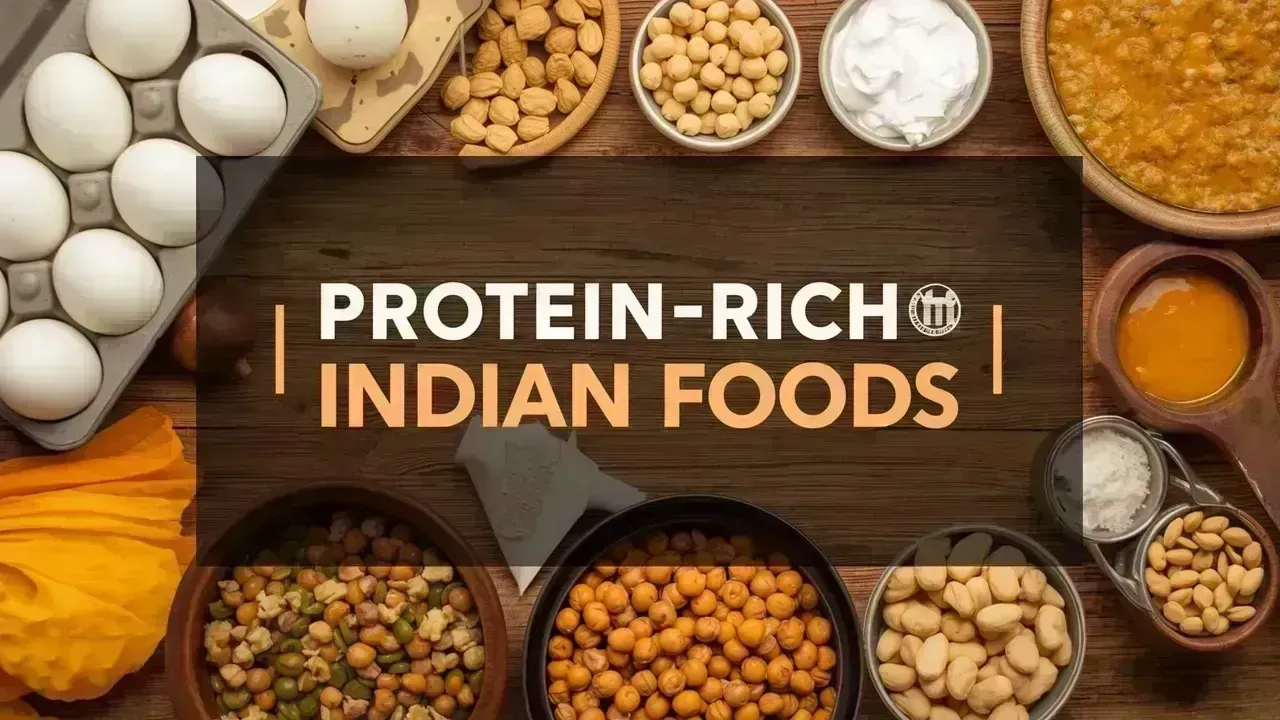
This article shares 7 protein-rich Indian foods you can incorporate into your everyday meals for a natural protein boost without the need for pills.
1. Eggs – The Ultimate Protein Source
Regarded as a comprehensive protein source, eggs deliver all essential amino acids. Each egg provides approximately 6 grams of quality protein along with important vitamins and healthy fats.
The versatility of eggs allows for multiple types of preparation. Whether boiled, scrambled, or made into an omelette, they are quick to cook and a staple of a high-protein breakfast.
For those aiming to increase their natural protein intake, consuming 2–4 eggs daily can make a significant impact. Their satiating properties also help curb unhealthy snacking and assist in weight management.
2. Paneer – A Vegetarian Protein Powerhouse
For those who follow a vegetarian lifestyle, paneer stands out as a fantastic protein resource. It's rich and easy to incorporate into various dishes.
Beyond its protein content, paneer offers calcium, critical for bone health. It works well in sabzi, paneer bhurji, or salads, making it ideal for a vegetarian high-protein regimen.
Additionally, paneer's slow digestion keeps you satiated longer, aiding in maintaining consistent energy levels throughout your day.
3. Dal (Lentils) – A Staple in Indian Protein Sources
Dal is an indispensable part of Indian meals and one of the most easily accessible plant-based proteins.
Different lentils provide various nutritional advantages:
- Moong dal (light and easily digestible)
- Masoor dal (nutrient-rich)
- Toor dal (a daily favorite)
When paired with rice or roti, dal becomes a complete protein source. This popular combination is a time-tested method for achieving a well-rounded diet.
Incorporating dal into your meals regularly is one of the easiest methods to boost your protein intake using natural options.
4. Chickpeas (Chana) – Nutritious and Satisfying
Chickpeas not only taste great but are also packed with nutrients. They provide ample protein, fiber, and essential minerals.
Ways to enjoy chickpeas include:
- Boiled chana as a snack
- Chole served with roti or rice
- Chana salad as a nutritious choice
The high fiber content of chickpeas promotes digestion and keeps hunger at bay, making them suited for those aiming for healthy weight management while still ensuring adequate protein.
5. Soya Chunks – A Budget-Friendly High-Protien Option
If you're on the hunt for an economical protein source, soya chunks are an excellent choice.
They offer considerable protein content compared to many vegetarian options. Yet, they often go unnoticed in diets.
Soya chunks can be included in curries, served with pulao, or used as snacks. Their ability to absorb flavors effortlessly makes them a great addition to your meals.
For anyone wishing to create a high-protein dietary plan without overspending, soya chunks are essential.
6. Curd (Dahi) – Cooling and Nutritious
Commonly found in Indian households, curd is often underestimated for its protein content.
This food not only contributes protein but also strengthens gut health owing to its probiotic qualities. A healthy gut enhances digestion and enables better nutrient absorption.
Ways to include curd in your meals:
- Plain dahi accompanying meals
- Raita with fresh veggies
- Smoothies or lassi for variety
Incorporating curd daily can effectively improve your protein intake as well as your overall wellbeing.
7. Peanuts – A Small Snack with Great Protein Content
Though often seen merely as a snack, peanuts offer substantial protein and healthy fats.
They are economical, easy to find, and come in many forms:
- Roasted peanuts for a quick bite
- Peanut chaat for a zesty treat
- Peanut butter for a nutritious spread
Peanuts are perfect for curbing mid-afternoon cravings, serving as a healthy alternative to chips or biscuits. Including them in your diet aids in fostering a high-protein Indian diet without stretching your budget.
Planning for Protein-Rich Meals
Understanding these foods is just the beginning; effectively including them is what truly yields benefits.
Here’s a simplistic illustration of a suggested high-protein meal plan:
- Breakfast: Eggs or paneer with roti
- Lunch: Dal + rice + curd
- Snack: Peanuts or chana
- Dinner: Soya chunk curry or paneer dish
By distributing protein across meals, you ensure optimal absorption and sustained energy throughout the day.
Avoiding Common Protein Intake Mistakes
Even those intent on healthy eating often overlook essential protein, making frequent errors:
- Overindulging in carbohydrates while skimping on protein
- Neglecting to include protein in breakfast
- Relying solely on one protein source
- Not monitoring portion sizes
Avoiding these pitfalls can lead to a more balanced protein consumption.
Consistency Matters
To meet your protein needs, you don’t require costly supplements or complicated meal plans. With common staples like eggs, paneer, dal, chickpeas, and peanuts, you can easily cultivate a robust and healthy physique.
The essence is consistency. Small modifications to your meals can result in significant improvements over time. Focus on integrating protein into each dish, and your body will respond with enhanced energy, strength, and overall health.
Disclaimer
This content is intended for informational purposes and does not replace professional medical or nutritional guidance. Individual protein needs may vary based on age, activity level, and health conditions; consulting a qualified healthcare or nutrition specialist is advised before making significant dietary changes.


 English