Post by : Shakul
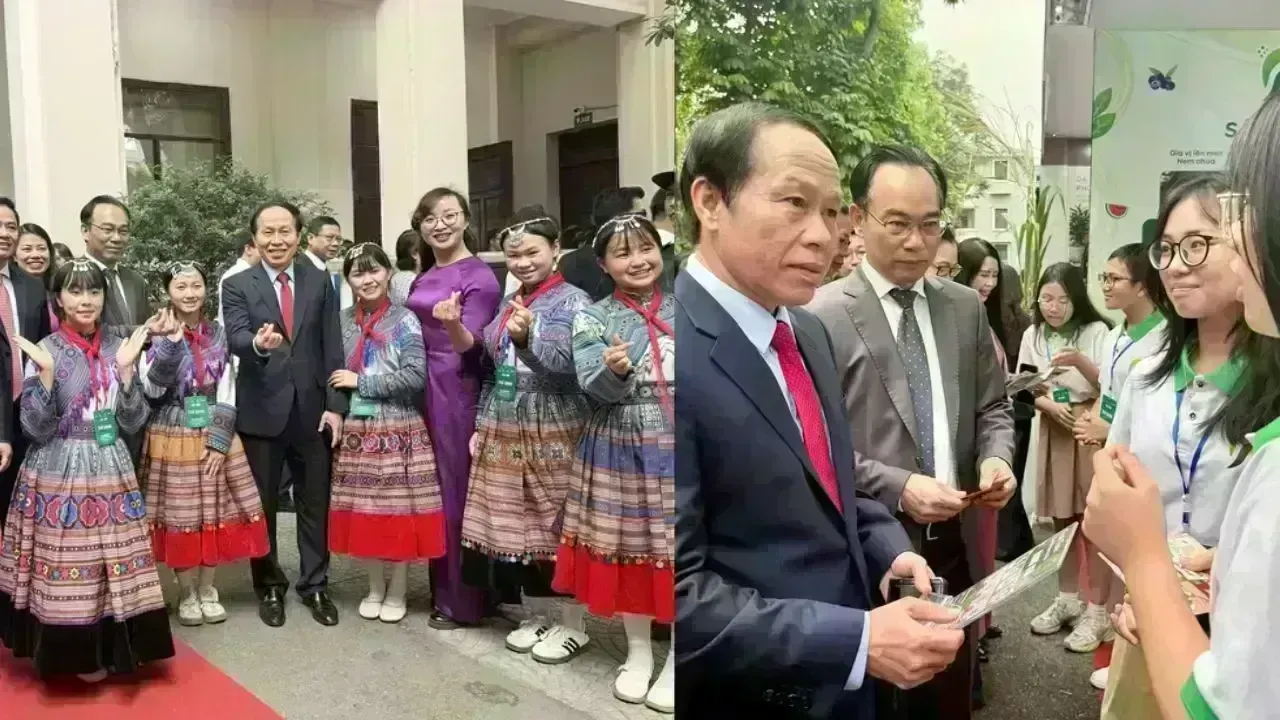
During a significant event, Deputy Prime Minister Le Tien Chau urged that student entrepreneurship must evolve from theoretical concepts into actionable products. He asserted the need for a transition from classrooms to the marketplace, ensuring that innovation results in real-world applications.
Speaking at the 8th National Student Entrepreneurship Day at the Banking Academy in Hanoi, he highlighted the assembly of around 10,000 students, experts, and stakeholders over three days, showcasing Vietnam’s growing dedication to fostering youth-driven innovation and startups.
The festival featured numerous activities, including an entrepreneurship forum, project showcases, investment networking events, and the conclusion of the “Students with Entrepreneurship Ideas” competition. Notably, it launched the “Support for Student Entrepreneurship Program 2026–2035,” aimed at bolstering sustainable startup growth and offering structured guidance for young entrepreneurs.
Strong participation underscored a clear commitment to promoting innovation and nurturing a culture of entrepreneurship, emphasizing the necessity for students to convert their ideas into viable and scalable business solutions.
Deputy PM Chau also indicated that supporting student entrepreneurship is not simply an educational initiative, but a national strategic imperative. He argued that fostering a robust innovation ecosystem combined with a creative young workforce is critical for sustainable economic advancement and competitiveness on a global scale.
In recent years, Vietnam has witnessed remarkable growth in this domain, with around 300 student-led startups emerging. Many of these ventures have successfully transformed into businesses, gained funding, and entered markets, particularly in areas like green tech, biotechnology, and digital health.
Nonetheless, challenges persist, as some startups struggle to align closely with market needs and lack depth. There are also gaps in support systems and limited synergy among educational institutions, businesses, and investors, which can impede the potential of promising ideas.
To tackle these challenges, the government has rolled out vital policies, including Decision No. 336/QD-TTg, alongside the National Strategy for Innovative Entrepreneurship, aimed at fostering a supportive climate for startups and making innovation central to the nation’s development agenda.
The Deputy Prime Minister reaffirmed the importance of collaborative efforts between ministries, educational bodies, businesses, and organizations. He also advised students to focus on ongoing learning, personal development, and turning their innovative ideas into meaningful societal contributions.


 English