Post by : Anis
Al-Rashid
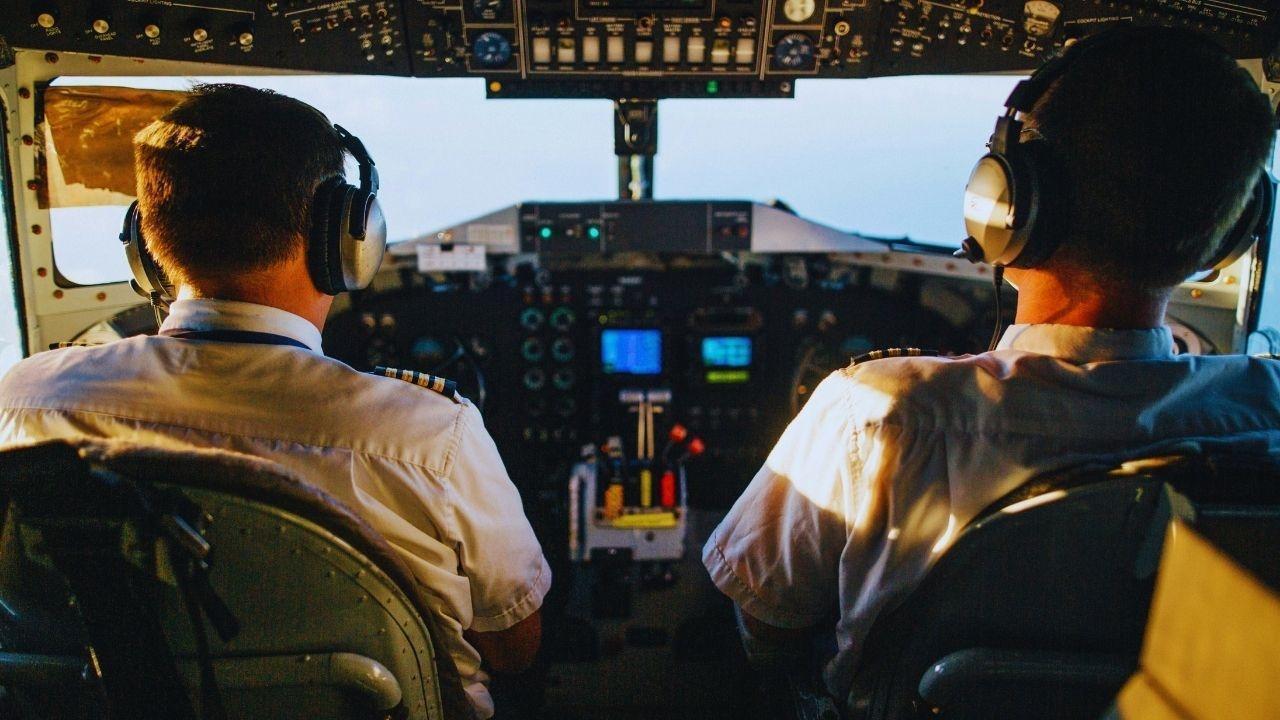
Airlines worldwide are confronting an acute shortage of pilots and flight dispatchers in 2025, a gap that threatens schedule reliability and operational stability. To address the pressure, carriers and ground operations increasingly rely on artificial intelligence (AI) and decision support systems (DSS) that assist human teams with data-driven guidance.
These tools are designed to strengthen human decision-making rather than replace it, delivering predictive analysis, automated scheduling help, and immediate operational alerts to ensure safe, efficient flights.
In an industry where precise timing and safety are paramount, AI-driven DSS have become essential assistants for both cockpit crews and ground dispatchers.
The Global Pilot Shortage: A Growing Operational Strain
Demand for air travel has rebounded faster than the pool of qualified aviators can expand. Retirements, pandemic-era training interruptions, and career moves have created a deficit estimated to reach tens of thousands of pilots by the end of the decade.
Flight dispatch teams are similarly strained, responsible for route planning, meteorological assessments and fuel calculations while facing fewer available specialists. Airlines are turning to technology to preserve safety and compliance while managing slimmer staffing levels.
AI tools reduce the cognitive load on crews and dispatchers by processing the large volumes of operational data they must consider, freeing humans to focus on critical judgments.
What Decision Support Systems Do
Decision support platforms ingest diverse aviation data streams—weather models, radar, maintenance reports and crew rosters—and run analyses in real time. The systems highlight risks, propose options, and present concise recommendations for operators.
Typical DSS features include:
-
Flight Route Optimization: Models combine live weather, traffic and fuel metrics to suggest safer and more cost-effective routings.
-
Predictive Maintenance: Machine-learning forecasts identify components likely to fail, helping reduce delays and cancellations.
-
Crew Scheduling: Automated planners factor in fatigue rules, roster limits and legality constraints to produce balanced crew assignments.
These functions allow dispatchers to reach informed decisions faster and deliver focused, actionable information directly into pilots' flight systems.
Dispatch: Automating Complexity, Preserving Oversight
Dispatch operations involve continual adjustments for weather, traffic and crew availability. Modern DSS conduct millions of scenario calculations in seconds, testing diversion, reroute and maintenance contingencies to recommend the best courses of action.
By handling routine permutations, these platforms let dispatchers concentrate on exceptions and high-priority decisions, improving consistency and flight safety.
Predictive Analytics: Early Warnings to Prevent Disruption
Predictive capabilities identify likely disruptions—such as atypical weather, inefficient fuel use or crew fatigue—before they escalate. Dashboards translate these forecasts into clear prompts for both cockpit and ground teams.
Carriers using predictive analytics have reported measurable operational gains, including up to 12% fewer delays and 18% lower operational costs in some implementations, driven by earlier interventions.
Human-Centred Automation
Aviation AI follows the principle of augmentation: pilots and dispatchers retain final authority while receiving enhanced situational awareness from algorithms that synthesize complex inputs.
The outcome is a collaborative workflow where:
-
Pilots receive timely, context-rich suggestions for route and altitude adjustments.
-
Dispatchers use prioritized displays to manage workloads and predict operational needs.
AI therefore supports clearer and faster decision-making without displacing human oversight.
Cutting Workload and Fatigue
By automating repetitive administrative tasks—such as recalculating fuel for route changes or cross-checking logs—AI helps reduce cognitive strain that can contribute to fatigue. Systems provide concise summaries rather than raw datasets, allowing personnel to focus on judgement-sensitive tasks.
Integrated fatigue-monitoring tools also examine sleep patterns, duty periods and environmental factors to flag potential safety risks before they affect operations.
Extending Into Air Traffic Management
Beyond airlines, AI is being applied to air traffic management to forecast congestion and enable dynamic rerouting, fostering greater coordination between ATC, dispatch and flight crews. This interconnected approach helps manage rising traffic volumes without compromising safety.
Training, Transparency and Safety Standards
Aviation-grade AI is developed to strict safety and ethical standards. Algorithms undergo extensive validation using historical data, simulated failures and live testing. Explainability is also a requirement so crews and regulators can trace the reasoning behind AI recommendations.
Such transparency supports regulatory demands for accountability and ensures AI remains a tool under human supervision.
Examples from the Industry
Several carriers report tangible benefits from AI deployment:
-
Delta Air Lines implemented predictive maintenance models that reduced unplanned ground time by around 15%.
-
Emirates uses AI to refine crew pairing and align rest cycles for long-haul operations to limit fatigue risks.
-
Singapore Airlines has woven AI into its dispatch processes to improve real-time coordination between ground teams and cockpit crews.
These deployments show how AI reshapes operational practices rather than simply automating tasks.
Crisis Response and Resilience
When rapid disruptions arise—such as severe storms or airspace closures—AI-based DSS can evaluate reroute options and resource implications quickly, cutting diversion costs and helping maintain continuity. During recent typhoons in Southeast Asia, some operators credited dispatch AI with nearly 20% lower diversion-related expenditures.
Decision Support in the Cockpit
Contemporary cockpit aids extend beyond basic autopilot, offering adaptive assistance that recalculates trajectories and altitude to address changing conditions while leaving command decisions to the pilot. This hybrid model preserves authority and enhances situational awareness.
AI-Driven Training to Close Skill Gaps
Machine-learning platforms are also being used to tailor training for pilots and dispatchers, identifying weaknesses and simulating rare emergency scenarios. Such targeted training accelerates readiness for new recruits and helps sustain competence amid staffing pressures.
Economic and Environmental Benefits
AI decision systems can reduce fuel use, cut maintenance-related downtime and limit delays, yielding financial gains. A 2025 industry survey found operators using AI-driven DSS reported average annual savings of about $1.2 million per aircraft. Optimized routing also supports lower emissions, aligning with tighter environmental rules.
Remaining Risks and the Need for Human Skills
Experts warn against overdependence on AI. Performance depends on data quality, and unprecedented scenarios may still challenge algorithms. Maintaining manual skills and oversight remains vital; regulators advocate supervised autonomy to ensure humans remain central to decision-making.
Conclusion: Partnership, Not Replacement
AI is shaping aviation's near future by augmenting human teams across cockpits, dispatch centres and traffic management. Properly governed and transparent, these systems can help the industry navigate staffing shortages while preserving safety, efficiency and accountability.
Disclaimer:
This article provides informational analysis and does not constitute official policy or regulatory guidance. Readers should consult certified aviation authorities for operational directives and compliance requirements.


 English