Post by : Mikhael
Al-Saeed
Revitalize Your Skin: A 3-Step Guide to Repairing Your Skin Barrier
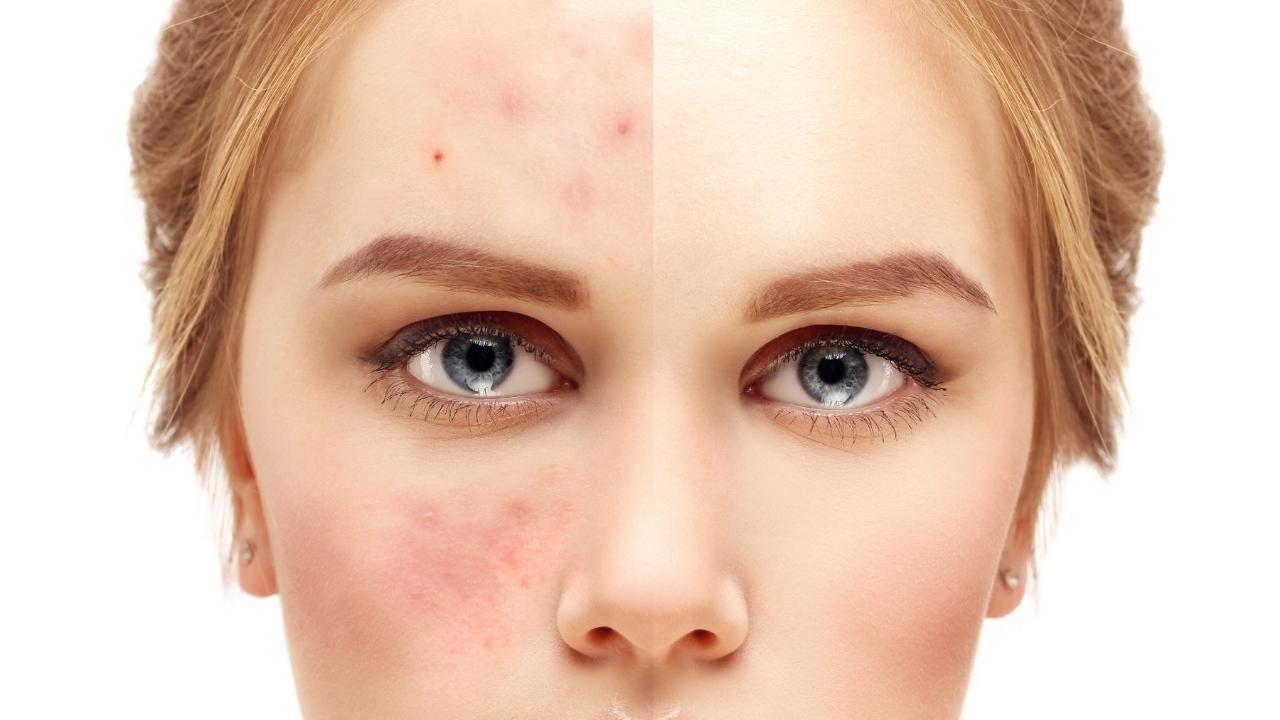
Have you observed your skin becoming unusually dry, tight, or red despite using all your usual skincare products? This might indicate a compromised skin barrier.
In skincare discussions, serums and treatments often take center stage. However, the key to achieving soft, vibrant skin is your skin barrier. This barrier acts as a protective shield against environmental stressors and ensures moisture retention. When it falters, your skin may feel irritated, dry, and lifeless.
The bright side? You don't need costly treatments or complex routines to restore it. With three simple steps—calming, hydrating, and protecting—you can rejuvenate your skin barrier and reclaim your natural radiance.
Let’s delve into the causes of barrier damage, the signs to watch for, and how to restore your skin’s strength naturally.
Understanding the Skin Barrier and Its Importance
Your skin barrier, or stratum corneum, is the outermost skin layer. Composed of natural oils, fatty acids, and skin cells, it works to keep the skin hydrated and secure.
A robust barrier allows your skin to feel supple and soft. When compromised, it becomes unable to retain moisture or repel irritants, often leading to dryness, redness, or even minor breakouts.
Common causes of barrier damage include:
-
Overusing exfoliating or chemical products
-
Applying potent acids or retinol excessively
-
Long, hot showers that deplete natural oils
-
Environmental pollution, sun exposure, and dehydration
-
Lack of sleep and stress
If your skin starts burning after cream application or appears rough and uneven, it's a prompt that your barrier needs attention.
Next, let's explore how to repair it step-by-step.
Step 1: Simplify and Soothe
Goal: Soothe and give your skin a break.
The initial step in healing is to streamline your skincare regimen. Too many products can exacerbate a weak skin barrier.
Recommended Actions:
-
Avoid potent actives like retinol and acids (AHA/BHA) for at least a week.
-
Choose a gentle, fragrance-free cleanser with hydrating elements like aloe vera, oat extract, or glycerin.
-
Skip scrubs or vigorous exfoliants—your skin requires rest, not friction.
-
Rinse your face with lukewarm water to preserve essential oils.
Tip:
If your skin feels irritated, apply a cool compress or soaked cotton pad with rose water for quick relief.
This step helps calm your skin and sets the stage for repair.
Step 2: Rehydrate and Restore
Goal: Replenish moisture and reinforce your skin’s natural shield.
As your skin begins to calm, it's time to provide it with what it craves most—hydration. Consider this step as refreshing your skin after prolonged sun exposure.
Recommended Actions:
-
Start with a gentle hydrating mist or toner, ideally with hyaluronic acid or rose water.
-
Use a barrier-repair serum or moisturizer enriched with ceramides, niacinamide, or panthenol (vitamin B5).
-
Finish with a lightweight moisturizer—look for ingredients like squalane or shea butter to lock in moisture.
Best Ingredients:
-
Ceramides: Help reconstruct the skin’s protective layer.
-
Niacinamide (Vitamin B3): Alleviates redness and fortifies skin.
-
Panthenol (Vitamin B5): Hydrates and minimizes inflammation.
-
Squalane: Guard against moisture depletion and maintain skin softness.
Tip:
For better absorption, apply moisturizer to slightly damp skin.
After a few days, expect your skin to feel smoother and less irritated.
Step 3: Protect and Maintain
Goal: Preserve your skin’s barrier and avert future damage.
Once your skin begins healing, the last step is to guard it against further harm. Consistency is key!
Recommended Actions:
-
Always apply sunscreen. UV exposure is a leading cause of skin barrier deterioration. Use a broad-spectrum SPF 30 or higher daily, even indoors.
-
Be gentle when removing makeup—opt for micellar water or cleansing balms rather than alcohol-based formulas.
-
Stay hydrated by drinking ample water throughout the day.
-
Incorporate omega-3-rich foods such as walnuts, flaxseeds, and fish into your diet for internal nourishment.
-
Ensure you’re getting enough sleep—your skin repairs overnight.
Tip:
Once your skin normalizes, gradually reintroduce actives like vitamin C or gentle exfoliants—do so one at a time.
Signs of Healing for Your Skin Barrier
With a week of following this straightforward routine, you'll likely notice changes in your skin:
-
Texture becoming softer and plumper
-
Reduced redness and burning sensation
-
Smoothing of flaky or uneven patches
-
A return of natural, vibrant glow
-
Makeup applying smoothly without discomfort
When your skin barrier heals, even standard skincare products can perform better.
Long-Term Tips for Healthy Skin
-
Cleansing your face only twice daily is optimal—over-cleansing can weaken the barrier.
-
Use a humidifier in dry or air-conditioned environments.
-
Avoid trying too many new products at once.
-
Maintain a balanced diet rich in fruits, vegetables, and healthy fats.
-
Shield your skin against extreme weather—increase moisture in winter and wear sunscreen year-round.
Beautiful, glowing skin isn't about using a multitude of products but rather about balance and care. A sturdy skin barrier ensures your skin stays calm, soft, and naturally radiant.
If your skin feels tight, dry, or irritated, pause your regular routine and implement these three straightforward steps: soothe, hydrate, and protect.
In just a few days, you'll witness the transformation—your skin will feel calmer, appear brighter, and radiate naturally. Remember, true beauty springs from the gentle care you bestow upon your skin.
Disclaimer
This article serves as general information and should not replace professional dermatological advice. Individual skin types and conditions vary, so outcomes may differ from person to person. Always conduct a patch test before introducing new products or ingredients to your routine. If ongoing irritation, severe acne, eczema, or other skin issues persist, consult a certified dermatologist before altering your skincare practices.


 English