Post by : Anis
Al-Rashid
Cloud kitchens have transformed India's dining landscape. Previously identified with big cities, these delivery-only establishments are making waves in smaller towns, presenting a blend of fresh meals, speedy delivery, and affordable prices.
This ongoing change signifies the eagerness of consumers beyond major urban areas to embrace convenience, digital transactions, food applications, and varied culinary offerings. Concurrently, entrepreneurs are identifying smaller cities as having reduced costs, streamlined logistics, and an expanding demand.
This article delves into how cloud kitchens are revolutionizing economical dining in India's smaller locales, examining their operational effectiveness, consumer impact, and the challenges that lie ahead.
Defining a Cloud Kitchen
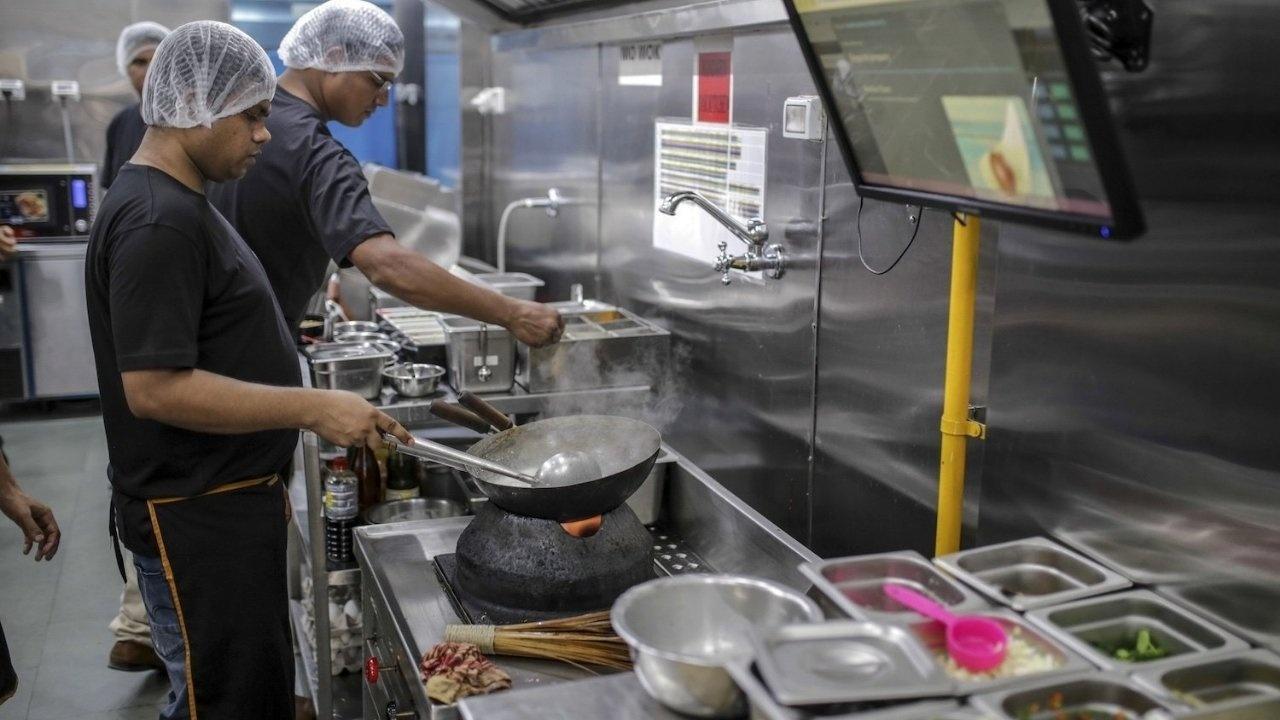
A cloud kitchen is an off-site food preparation unit that does not accommodate on-site dining. With no dining space, waitstaff, or elaborate decor, the focus is solely on preparing and promptly delivering food through food apps or direct orders.
Cloud kitchens reduce major expenses by operating from modest facilities and eliminating front-of-house costs. This affordability makes them appealing to operators and allows for competitive pricing for customers.
Why Smaller Cities Are Emerging as Key Markets
Though initially flourishing in metropolitan areas, various factors are accelerating cloud kitchens' expansion into tier-2 and tier-3 cities.
Reduced Real Estate and Labor Costs
The lower costs of rent, utilities, and labor make smaller towns advantageous. Kitchens that might be expensive in metropolitan areas can function at much lower costs in provincial locations, enabling owners to offer economical menu prices.
Limited Dine-In Options and the Growth of Delivery Culture
With many smaller cities lacking a variety of dining establishments, and the rise of internet access and food delivery apps, residents are increasingly inclined to order meals for home consumption. This creates an eager customer base for cloud kitchens.
Unmet Customer Demand
Smaller towns are often not saturated with dining options, allowing cloud kitchens to cultivate a loyal clientele quickly and establish recognition without extensive marketing.
Changing Consumer Expectations
As awareness of global tastes increases, customers in smaller areas desire more than traditional fare. Cloud kitchens can easily test new menu concepts to meet this shifting demand without hefty investments.
Supporting Affordable Dining Through Structure
The cloud kitchen format facilitates maintaining prices favorable for budget-minded households.
Cost Efficiency = Lower Prices
Cloud kitchens eliminate seating, decor, and waitstaff costs, significantly minimizing fixed expenses. Operating with compact teams and smaller venues results in lower utility expenses, translating to competitive meal pricing.
Streamlined Delivery Processes
In smaller cities, traffic is less congested and distances shorter, leading to quicker deliveries and lower operation costs. These advantages can be passed to customers through modest delivery fees or combo offers.
Multiple Virtual Brands from One Kitchen
Each cloud kitchen can operate various virtual brands—such as biryani, snacks, and healthy bowls—using the same staff and resources, offering customers diverse options without the need for multiple locations.
Growing Acceptance of Meal Ordering
As meal ordering becomes ingrained in daily routines, higher order volumes can help stabilize operational costs, making meals more budget-friendly.
Utilizing Local Ingredients = More Affordable Pricing
Many cloud kitchens focus on local produce, grains, and spices, keeping their ingredient expenses consistent and manageable, which is reflected in their pricing.
Market Trends Overview
The cloud-kitchen segment in India has experienced gradual growth in recent years. The move into tier-2 and tier-3 cities stands out as a promising trend propelled by reduced operational expenses and a significant untapped market. Cities like Guwahati, Coimbatore, and Raipur have embraced delivery-centric kitchens, where many outperform their metropolitan counterparts due to lower competition and increasing demand.
Why Smaller City Residents Prefer Cloud Kitchens
Consumers in these areas are reaping clear benefits.
Restaurant-Level Meals at Home
Residents gain access to diverse menus—ranging from North Indian to biryani and healthy bowls—without the need for a dine-in setting.
Ease for Busy Families
Many families welcome the convenience of ordering on hectic days or during festivals. Swift delivery times contribute to this ease.
Variety at Affordable Rates
The cost-effectiveness of cloud kitchens allows them to offer generous portions, value meals, and affordable combo options tailored to everyday budgets.
Support for Local Economies
Cloud kitchens create job opportunities, encouraging cooks, packers, and delivery personnel, while also supporting local suppliers, thus enhancing the micro-economy surrounding food delivery.
Clear Pricing
The competitive landscape enables consumers to compare pricing, portions, and reviews across kitchens easily, providing fairness in rates.
Attracting Entrepreneurs to Smaller Markets
From the entrepreneurial perspective, smaller cities offer numerous strategic benefits.
Lower Initial Investments
Establishing a cloud kitchen requires less capital, allowing budding entrepreneurs and home chefs to venture into delivery services with minimal financial risks.
Quick Market Penetration
With fewer cloud kitchens in smaller cities, differentiation is more straightforward. Rapid word-of-mouth helps businesses gain traction.
Menu Adaptability
Operators can easily experiment with new offerings, assess various brands, and tailor recipes to align with local preferences, leading to cost-effectiveness.
Partnerships with Delivery Platforms
Food delivery applications are increasingly broadening their coverage, offering visibility to cloud kitchens in smaller localities that could be challenging to achieve independently.
Challenges Faced by the Model
Despite the promise, the cloud-kitchen model faces several obstacles.
Reliance on Delivery Platforms
High commission fees and dependence on platform algorithms can shrink profit margins and limit direct customer interactions.
Establishing Customer Trust Without In-Person Interaction
Without the ability to view the kitchen, trust hinges on consistent quality, hygiene standards, and positive customer reviews.
Logistics Management
Delivery efficiency can still be affected by peak-hour traffic, limited delivery personnel, or kitchen locations even within smaller towns.
Catering to Local Preferences
Menus must be tailored—consideration for portion sizes, spice preferences, and regional prices is vital.
Risk of Market Overcrowding
If too many kitchens launch concurrently, there may be excessive competition that could lower prices unsustainably, reminiscent of earlier trends in metros.
Future Outlook
The future of cloud kitchens in smaller towns will likely be influenced by several emerging trends:
-
Broader multi-brand kitchens operating diverse menus from a single site
-
In-house ordering systems and loyalty initiatives to lessen reliance on aggregators
-
Faster delivery through smaller satellite kitchens situated in residential neighborhoods
-
Increased uptake of sustainable packaging as consumer awareness heightens
-
More emphasis on regional specialties and local ingredients
These indicators reveal that cloud kitchens are more than fleeting trends; they are becoming critical participants in the local culinary ecosystem.
Impact on Food Culture
In smaller towns, cloud kitchens are influencing evolving eating habits:
-
Ordering food evolves into a frequent habit rather than an occasional treat
-
Consumers access global cuisines that were once unavailable in their areas
-
More households savor the convenience of restaurant-quality meals at home
-
Local chefs gain new opportunities to exhibit their skills
-
Younger consumers are more adventurous with tastes, cuisines, and meal formats
Cloud kitchens are reshaping food culture in smaller cities, fostering a more vibrant and diverse dining experience.
Understanding Affordable Dining in This Context
In the realm of cloud kitchens, affordable dining entails:
-
Meals that are competitively priced or cheaper than dine-in options
-
Low delivery costs within local boundaries
-
Dependable food quality and hygienic packaging
-
Numerous budget-friendly combos and individual meal options
The efficient model of cloud kitchens allows them to maintain affordability while ensuring high-quality offerings.
Consumer Checklist for Cloud Kitchens in Smaller Towns
When choosing a meal from a cloud kitchen, consumers may consider these simple pointers:
-
Speed and accuracy of delivery
-
Price comparison with local restaurants
-
Quality of packaging and cleanliness
-
Customer reviews and consistency
-
Feasible delivery radius to prevent high charges
-
Value combos that offer generous meal deals
Conclusion
Cloud kitchens are transcending their urban origins, reshaping the dining experience in smaller cities in India by providing affordability, choice, and dependability. They cut unnecessary costs and meet the increasing demand for quick, flavorful, and diverse meals.
For consumers, they bring comfort and options. For entrepreneurs, they present a low-risk entry into the food sector. For communities, they enhance employment opportunities, encourage culinary innovation, and foster a new food culture.
As ordering habits continue to evolve and technology becomes increasingly integrated into daily life, the significance of cloud kitchens in defining the food environment of smaller cities is poised to grow.


 English