Post by : Anis
Al-Rashid
Why Healthy Eating Can Seem Pricey—But It Doesn’t Have to Be
Many families aspire to eat healthier, yet the rising grocery costs and limited time can complicate achieving balanced meals. A common belief is that nutritious food is inherently expensive due to exotic ingredients, high-end organic choices, or imported items. However, everyday local foods—such as grains, vegetables, pulses, eggs, and seasonal fruits—are fully equipped to provide the necessary nutrition for a family's diet.
The real issue is not the availability of inexpensive healthy foods but rather the absence of effective meal planning.
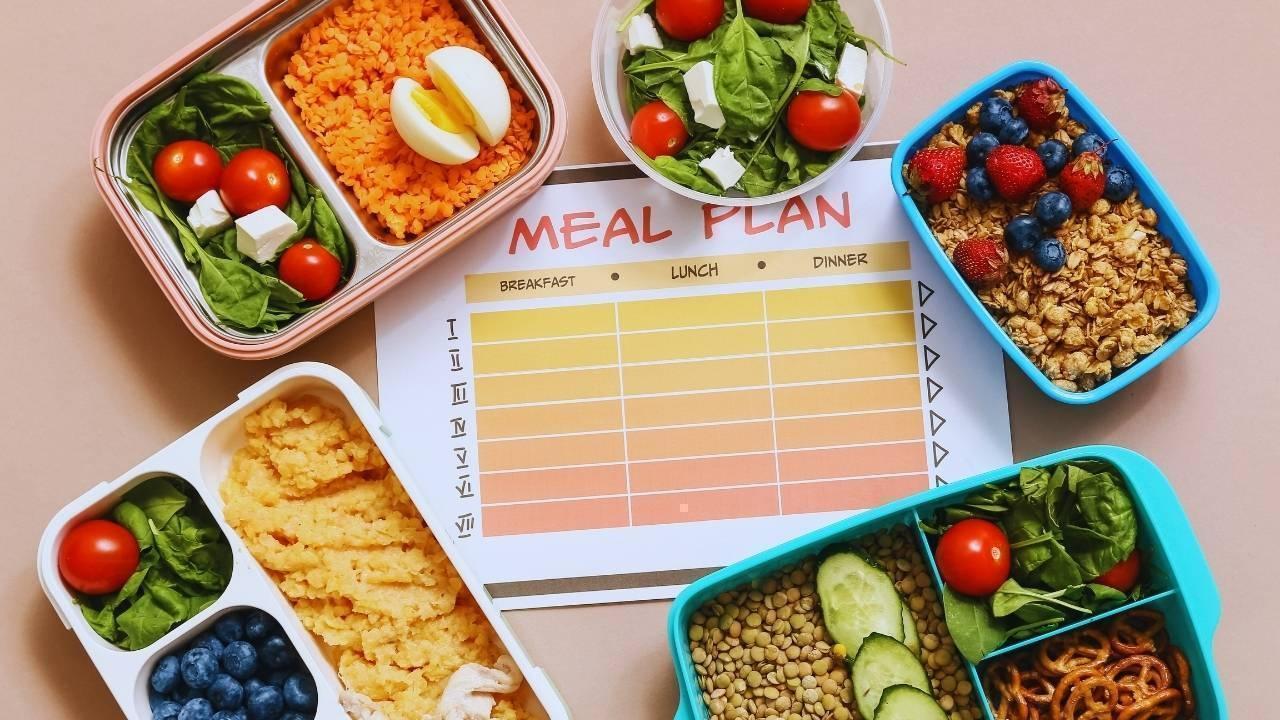
By employing meal planning, families can organize their meals, minimize waste, curb impulse buying, and ensure nutritional balance without overspending. When families plan wisely, creatively combine ingredients, batch cook, and adhere to simple nutritional guidelines, nutritious meals become affordable, sustainable, and enjoyable.
This article serves as a comprehensive guide to cost-effective meal planning tailored for a family of four, featuring practical advice, straightforward combinations, and universally applicable food structures.
Fundamentals of Budget-Friendly Healthy Eating
Eating healthy on a budget doesn’t require sacrificing variety or flavor. It’s about maximizing the use of common ingredients.
Key principles include:
1. Source Local and Seasonal Ingredients
Seasonal produce is not only more affordable but also fresher and healthier.
2. Prepare Meals from Scratch
Cooking at home is significantly cheaper than purchasing pre-made items.
3. Utilize Versatile Ingredients
Staples like rice, lentils, eggs, potatoes, onions, tomatoes, and oats can yield a variety of meals.
4. Minimize Food Waste
Creative repurposing of leftovers can lead to dishes like tikkis, upma, stir-fries, wraps, and salads.
5. Smart Batch Cooking
Preparing staple ingredients ahead of time helps reduce costs and effort.
6. Mix Proteins Effectively
Combining both plant-based and animal proteins keeps meals nutritious without driving up grocery costs.
With these fundamentals established, designing meal plans becomes straightforward.
Creating an Economical Weekly Meal Schedule
A family of four should achieve a balance of carbohydrates, proteins, healthy fats, and fiber. An effective weekly meal structure helps maintain variety while keeping costs low.
A suggested weekly setup could include:
• 3 days featuring vegetarian meals
• 2 days centered around eggs
• 1–2 days of chicken or fish (if desired)
• Regular lentils, beans, or pulses
• Seasonal vegetables included daily
• Whole grains forming the main foundation
This approach ensures economical, yet diverse meals.
Breakfast: Nutritious, Affordable, Kid-Friendly Choices
Starting the day with a good breakfast is crucial. You don’t need to rely on expensive cereals or premade foods for satisfying meals.
Affordable breakfast suggestions:
1. Oats paired with fruits and nuts
Oats are economical, filling, and versatile.
2. Upma or poha with vegetables
Utilizes basic pantry staples for fiber and energy.
3. Eggs served with toast
A low-cost source of protein.
4. Parathas accompanied by yoghurt
Creating fillings from leftover vegetables is practical.
5. Dosa or idli made from a weekly batter
A batch-fermented batter can sustain you for days.
6. Banana and peanut butter sandwiches
A nutritious and filling option.
Rotating these meals will maintain variety throughout the week and stay within budget.
Lunch: Quick and Balanced Meals
Lunch needs to be satisfying and nutritious for a family of four, quickly prepared.
Inexpensive lunch choices:
1. Rice, dal, and vegetable sabzi
A classic, nutrient-rich trio that is cost-effective.
2. Vegetable khichdi with ghee
Comforting, nutritious, and budget-friendly.
3. Curd rice with sautéed veggies
Perfect for warm weather, and simple to prepare.
4. Chickpea or kidney bean curry with rice
High-protein, low-cost options.
5. Roti with paneer or egg bhurji and salad
Affordable when portioned wisely.
6. Millet bowls with lentils and veggies
A nutritious yet low-cost alternative.
A lunch plan that combines grains, protein, and vegetables is essential for maintaining energy in the family.
Dinner: Light and Budget-Friendly Meals
Dinner doesn’t have to be elaborate. Simple, wholesome meals aid digestion while controlling late-night hunger.
Wholesome and affordable dinner ideas:
1. Vegetable soup accompanied by baked vegetables or bread
Effectively uses up leftover produce.
2. Egg curry with rice or chapati
Simple yet protein-rich.
3. Soya pulao or vegetable pulao
Budget-friendly one-pot meals.
4. Stir-fried vegetables with tofu or paneer
Quick cooking methods save on fuel.
5. Roti paired with dal and salad
Basic yet nutritious and inexpensive.
6. Homemade noodles with vegetables
Opt for whole-wheat or millet noodles for a healthier approach.
Dinner should be light, easy to prepare, and satisfying.
Snacks: Healthy Options that Don't Strain the Budget
Family snacking can escalate costs quickly without planning. Eliminating packaged snacks ensures savings and healthiness.
Inexpensive snack ideas:
• Roasted chana
• Peanuts
• Fruit bowls
• Homemade popcorn
• Sprout salad
• Boiled corn
• Tea accompanied by homemade biscuits
• Vegetable sticks with homemade dips
These snacks are filling, nutritious, and significantly cheaper than store-bought alternatives.
Smart Shopping Strategies for Budget Meal Planning
Your shopping habits significantly influence monthly expenses. Shopping wisely can lead to substantial savings.
Essential strategies include:
1. Shop with a list
Impulse buys frequently result in overspending and waste.
2. Purchase in bulk when beneficial
Items like rice, lentils, oats, and flour can be stored for an extended period.
3. Opt for store brands for essentials
Comparable quality at reduced prices.
4. Favor seasonal produce
Such items are often less expensive and taste superior.
5. Avoid pre-sliced vegetables
Whole vegetables offer better freshness and cost savings.
6. Take advantage of loyalty programs or weekly market visits
You can accumulate savings over time.
These practices help lower monthly food expenses without sacrificing nutrition.
Batch Cooking: Time and Cost Savings
Batch cooking isn’t just for busy people; it’s an excellent strategy for families looking to save money and minimize stress.
Consider batch cooking:
• Dal
• Cooked legumes (chickpeas, beans)
• Weekly dosa/idli batter
• Chopped vegetables
• Boiled eggs
• Basic curry sauces
• Fried onions
• Boiled rice
These foundational ingredients can be mixed and matched for various meals throughout the week.
Managing Leftovers: Transforming Yesterday’s Food for Today
Leftovers are a valuable asset in budget planning. Rather than reheating the same meal, get creative.
Suggestions include:
• Leftover rice → fried rice or lemon rice
• Leftover sabzi → stuffing for parathas
• Leftover dal → dal dhokla or soup
• Leftover roti → rolls or chips
• Leftover chicken → sandwiches or salad bowls
A bit of creativity can save money and boost variety.
Budget-Friendly Protein Choices for a Family of Four
Protein doesn’t have to be pricey. Numerous economical sources provide high nutritional benefits.
Low-cost protein choices include:
• Eggs
• Lentils
• Chickpeas
• Kidney beans
• Cowpea/lobia
• Soy chunks
• Tofu
• Curd
• Milk
• Peanuts
• Sprouts
By integrating both plant and animal proteins, families can maintain balanced and affordable meals.
Maintaining Nutritional Balance Without Extra Costs
Balanced nutrition consists of carbohydrates, proteins, fats, and fiber. There's no need for costly superfoods—local staples can cover all your needs.
Balanced plate guideline:
• 40% vegetables
• 30% grains
• 20% protein
• 10% healthy fats
This approach guarantees wholesome meals on any budget.
Sample Weekly Menu: A Comprehensive Overview for a Family of Four
Here's a straightforward weekly meal outline:
Day 1
Breakfast: Vegetable upma
Lunch: Rice + dal + cabbage sabzi
Dinner: Egg curry + rotis
Snack: Peanuts
Day 2
Breakfast: Oats with bananas
Lunch: Chickpea curry + rice
Dinner: Vegetable soup + toasted bread
Snack: Fruit bowls
Day 3
Breakfast: Dosa with chutney
Lunch: Roti + paneer sabzi + salad
Dinner: Vegetable fried rice
Snack: Roasted chana
Day 4
Breakfast: Boiled eggs + toast
Lunch: Khichdi + curd
Dinner: Stir-fried veggies + paneer
Snack: Sprout salad
Day 5
Breakfast: Paratha + curd
Lunch: Rice + rajma
Dinner: Homemade noodles with vegetables
Snack: Homemade popcorn
Day 6
Breakfast: Poha
Lunch: Roti + sabzi + dal
Dinner: Soya pulao
Snack: Corn
Day 7
Breakfast: Idli with chutney
Lunch: Lemon rice
Dinner: Light vegetable curry + rotis
Snack: Fruit slices
This plan is economical, balanced, and easily customizable.
Wrapping Up
Creating a healthy meal plan for a family of four doesn’t necessitate exotic foods or high expenses. It hinges on strategic planning, smart shopping, basic ingredients, and inventive cooking. By fostering routines centered around local produce, versatile staples, and budget-friendly proteins, every meal turns into a nourishing and cost-effective experience. Over time, these practices lead to cost savings, lower stress, and a healthier lifestyle for everyone in the household.
Affordable eating is not about compromise—it’s about strategy, balance, and careful planning.
Disclaimer:
This article provides general nutritional guidance and should not be treated as a substitute for personalized dietary or medical counsel from a qualified expert.


 English