Post by : Anis
Al-Rashid
Recent Insights Trigger Interest in Breathing Techniques
Recent studies on stress levels have highlighted a troubling surge in everyday stress, confirming what many have been feeling: pressures from work, unpredictability in schedules, environmental discomfort, excessive digital exposure, and fatigue are driving stress markers up.
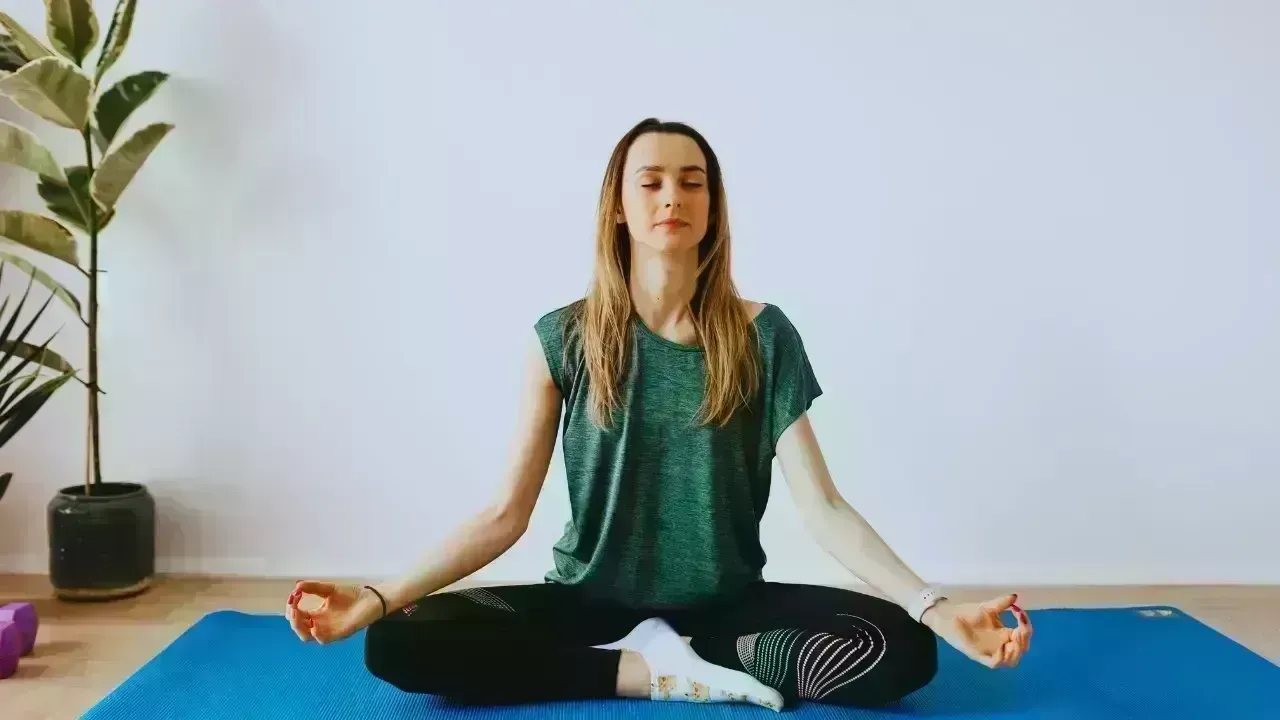
In response, healthcare professionals have emphasized breathing exercises that are accessible to everyone, require no special equipment, and can be practiced virtually anywhere—short, structured breathing routines.
These breathing practices have quickly gained popularity as a means to regain composure and mental clarity. Individuals across various settings, including workplaces, classrooms, and public transit, have turned to these exercises during stressful moments to ground themselves.
The Physiological Benefits of Controlled Breathing
The push for breathing exercises this week isn't just a fad—doctors assert their effectiveness in influencing the body's innate stress responses.
Key benefits of these methods include:
Reduce cortisol production
Stabilize the nervous system
Decrease heart rate
Alleviate muscle tension
Enhance cognitive focus
Mitigate emotional upheaval
Diminish anxiety symptoms
Stress causes breathing to become rapid and shallow, and these techniques help restore a normal rhythm, signaling the brain to relax.
Reviving Simple, Practical Techniques
In contrast to lengthy meditation sessions, these exercises are brief and adaptable, with doctors recommending them for use at any time—whether during breaks, before sleeping, or while navigating stressful scenarios.
Key Breathing Techniques of the Week
1. The 4-2-6 Calming Breath
Considered the fastest method to alleviate emotional tension.
Steps:
Inhale for 4 seconds
Hold for 2 seconds
Exhale for 6 seconds
Benefits:
The extended exhalation activates the body’s natural calming response.
2. Box Breathing (4-4-4-4 Technique)
Favored by professionals combating mental fatigue.
Steps:
Inhale for 4 seconds
Hold for 4 seconds
Exhale for 4 seconds
Hold again for 4 seconds
Benefits:
Promotes rhythm, enhances mental clarity, and alleviates cognitive disarray.
3. Diaphragmatic Breathing
Recognized for its effectiveness in emotional grounding.
Steps:
Position one hand on the chest and another on the belly
Take a deep breath to make the belly rise
Exhale slowly allowing the belly to relax
Benefits:
Deep belly breathing boosts oxygen levels and counters shallow, stress-affected breaths.
4. The 5-5 Slow Breathing Technique
Widely adopted for sudden anxiety surges.
Steps:
Inhale for 5 seconds
Exhale for 5 seconds
Benefits:
Resets breathing patterns and alleviates panic quickly.
5. Alternate Nostril Breathing
Recommended for emotional equilibrium and cognitive clarity.
Steps:
Benefits:
Balances brain function, leading to enhanced calm and focus.
6. The Long-Exhale Grounding Breath
Highly recommended for those feeling intense stress.
Steps:
Inhale for 3-4 seconds
Exhale for 7-8 seconds
Benefits:
This technique rapidly lowers stress hormones while stabilizing emotions.
7. The Gentle Sigh Technique
An instinctive approach supported by medical professionals.
Steps:
Benefits:
Sighing resets lung function and alleviates pent-up tension.
Factors Influencing the Popularity of Breathwork This Week
The timing of the doctors' recommendations came when many felt overwhelmed and mentally fatigued, making these exercises particularly appealing for their ease of use.
1. Privacy Not Required
You can practice these techniques anywhere—at work, in transit, or while walking.
2. Quick and Efficient
Even the busiest individuals can fit these into their schedules.
3. Instant Results
Many feel a sense of calm almost immediately after practicing.
4. Interrupts Stress Escalation
These methods can prevent stress from building to overwhelming levels.
5. Supports Emotional Stability
Consistent use can help rewire the body's reaction to stress.
Integrating These Exercises into Daily Life
At Work
Employees have found value in practicing these techniques between tasks and prior to stressful meetings.
During Commutes
Many utilize breathwork while dealing with traffic delays or long rides.
At Home
Individuals engage in breathing exercises to unwind after busy days.
Before Sleep
A growing number are incorporating these methods into their bedtime rituals for better sleep quality.
In Moments of Stress
Quick breathing routines are being used during emotional peaks or conflicts.
Emotional Health and Breathwork
Health professionals have noted that breathing exercises not only soothe physical stress but also assist in emotional regulation.
Breathwork can influence:
Anger management
Anxiety levels
Concentration
Memory
Decision making
Mood stability
Participants reported feeling more balanced and less irritable simply by engaging in these exercises throughout the week.
Factors Heightening the Demand for Breathing Techniques
The recent emphasis on breathwork points to the real challenges many are facing:
Breathing has emerged as the simplest antidote to these challenges.
Combining Breathwork with Other Micro-Habits
To maximize the effects of breathing exercises, doctors recommend pairing them with:
These practices can enhance relaxation.
Averting Burnout through Breathwork
By the week's midpoint, many reported feeling more balanced and emotionally stable, thanks to just a few minutes of breathing routines.
Breathwork effectively avoided:
Emotional overload
Panic responses
Mood fluctuations
Stress escalations
Cognitive fatigue
This week served as a reminder of how simple wellness habits can foster greater emotional resilience.
Potential Long-Term Benefits from This Week’s Breathing Trend
If individuals maintain the practices initiated this week, benefits may include:
Improved sleep quality
Increased resilience to stress
Lower levels of anxiety
Enhanced concentration
Better cardiovascular health
More effective emotional regulation
Breathing techniques may evolve into daily practices for many.
Final Thoughts
This week’s stress studies spotlighted a crucial reality: as life accelerates, our coping strategies must adapt. The breathing techniques advocated by doctors present a straightforward, effective means to pause and restore calm amidst chaos.
These methods remind us that maintaining emotional balance doesn’t necessitate complex rituals. Sometimes, all it requires is a few mindful breaths for the body to realign.
DISCLAIMER:
This article is provided for informational purposes only and should not replace professional medical advice, diagnosis, or treatment.


 English