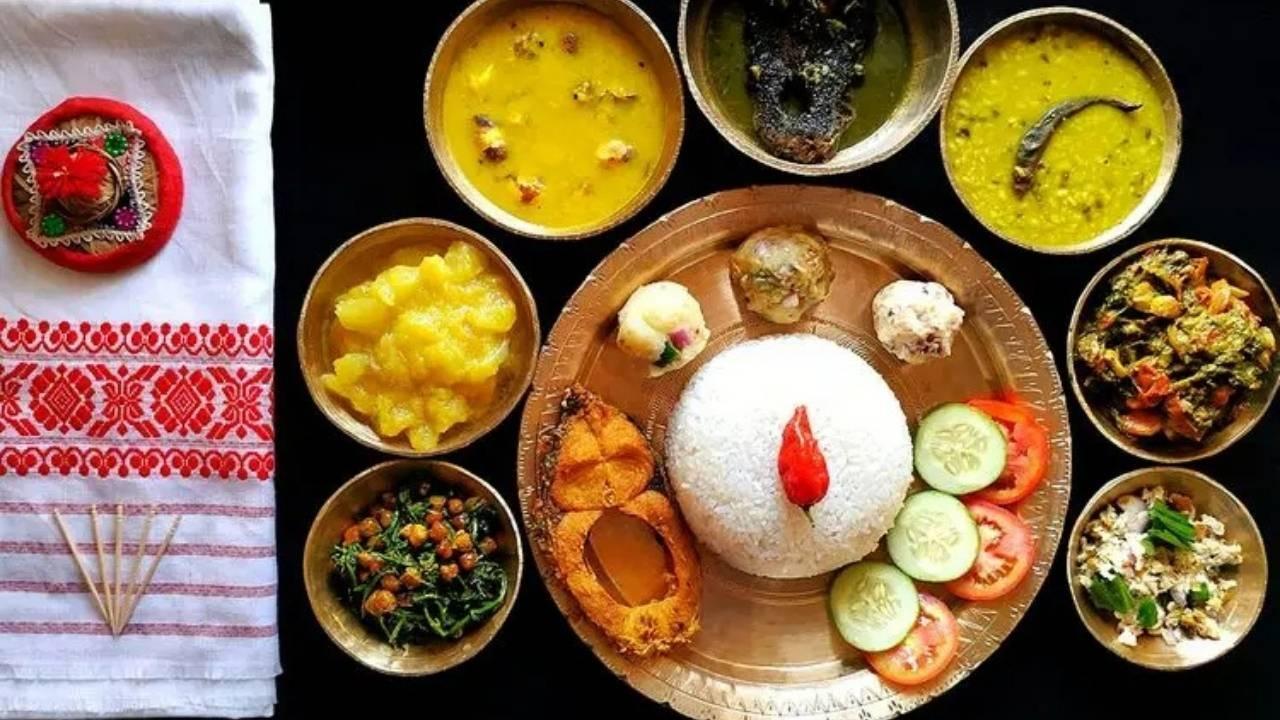
For many years, India's culinary landscape has been shaped by the tastes of North Indian, South Indian, and Mughlai cuisines. However, a notable transformation is taking root in the lesser-known area of Northeast India, particularly in Assam. Once dismissed as niche or “too local,” the cuisine from this vibrant region is now featured in fine-dining establishments, food festivals, and social media, gaining unprecedented attention.
A fresh wave of chefs, culinary innovators, and cultural advocates are showcasing the culinary wealth of Assam to the world. By introducing novel interpretations, embracing sustainable methods, and sharing rich stories through their dishes, they are fostering a global appreciation for the region's flavors.
This culinary evolution goes beyond food; it encapsulates identity, pride, heritage, and a sense of belonging. Assamese cuisine is poised to take its rightful place on the international culinary stage.
As international cuisine becomes saturated, food aficionados are in pursuit of authenticity and novel tastes. The offerings from Assam include:
This distinctive flavor profile sets it apart from conventional Indian cuisine, attracting interest from culinary circles worldwide.
While the global spotlight turns to sustainability, Assam has naturally embodied these principles for generations.
-
Bhut Jolokia
-
Kaji Nemu
-
Black rice
-
Bamboo shoots
-
Roselle leaves (tenga tenga)
-
Tokou and other fermented herbs
-
Joha rice
-
Lakadong turmeric
-
Local freshwater fish varieties
These unique ingredients have captured the interest of chefs and food enthusiasts worldwide, aligning naturally with contemporary wellness trends.
Leaders of Assam's Culinary Movement
A vibrant community of chefs is nurturing this culinary renaissance. While their names may differ across cities, together they bolster Assamese cuisine's visibility on the international platform. They are not merely chefs; they are custodians of tradition, innovation, documentation, and promotion of their indigenous culinary philosophy.
Crafting Fine-Dining Experiences: The New Assamese Cuisine
1. Revitalizing Indigenous Ingredients Through Modern Techniques
Chefs are reimagining classic staples like tender bamboo shoots, smoked pork, fermented soybean, banana blossoms, and Joha rice by applying:
These culinary techniques elevate and celebrate rustic tastes while maintaining authenticity.
2. Dining Experiences Rich in Narrative
Modern Assamese dining often presents:
-
Menus influenced by folklore
-
Dishes honoring local tribes
-
Story-rich presentations of ingredients
-
Plating inspired by local scenery
-
Seasonal menus reflecting Bihu or harvest periods
This immersive approach offers diners more than just a meal, rather, a compelling narrative.
3. Fusion Flavors Honoring Tradition
Instead of replicating Western culinary styles, chefs are creating Assam-inspired fusions such as:
-
Bamboo shoot risotto
-
Sushi made with Joha rice
-
Pork enhanced with smoked black sesame flavors
-
Tenga broth infused with Mediterranean herbs
-
Dim sum steamed in bamboo with Assamese fillings
This thoughtful fusion reflects deep respect and emphasis on flavors.
Social Media Boosting Global Food Identity for Assam
1. Global Recognition of Assam’s Food Creators
Enthusiasts and chefs are utilizing:
-
YouTube
-
Instagram
-
Reel formats
-
Short videos on TikTok
-
Food travel blogs
to showcase Assam's flavors to a global audience. Viral videos of traditional dishes, tribal feasts, and bamboo cooking methods have piqued global interest.
2. Documenting Recipes for Future Generations
Digital creators preserve:
-
Traditional cooking methods from indigenous tribes
-
Unique recipes
-
Ancient culinary techniques
-
Lost food rituals
-
Festival-related cooking styles
This preservation work has attracted the attention of cultural researchers globally.
3. Increasing International Collaborations
Chef collaborations from Assam are thriving globally with:
-
International pop-up events
-
Partnerships with fusion restaurants
-
Workshops focused on fermentation techniques
-
Participation in global food festivals
-
Presentations in sustainability panels
These endeavors introduce Assam’s culinary culture to a growing audience keen on understanding regional cuisines.
Tourism's Role in Elevating Culinary Recognition
1. The Rise of Food Tourism Initiatives
Travel agencies and local tourism entities are initiating:
-
Culinary trails through tea estates
-
Assamese thali experiences at home
-
Fish and tenga cuisine tours
-
Traditional tribal meal experiences
-
Workshops on smokehouse cooking
-
Bamboo culinary workshops
These hands-on experiences deepen international appreciation for Assamese cuisine.
2. Leveraging Assam's Famous Tea Culture
The world-famous Assam tea provides a platform for chefs to explore:
-
Broths infused with tea flavors
-
Tea-smoked dishes
-
Delicious desserts featuring tea
-
Exclusive tasting menus centered on tea
This approach combines the familiar (tea) with the exciting (regional dishes).
3. Growing Popularity of Northeast Homestays
Homestays are a window into local culinary traditions, as travelers opt for authentic meals prepared by families rather than dining in restaurants.
What Sets Assamese Cuisine Apart?
1. A Harmonious Blend of Simplicity and Depth
Assamese food is characterized by:
This simplicity finds favor among global diners seeking healthier eating options.
2. Fermented Flavors at the Core
In Assam, fermentation is integral to the preparation of:
-
Bamboo shoots
-
Rice beer
-
Fish dishes
-
Fermented soybean
-
Leafy greens
With the growing global interest in fermentation, Assam’s traditional techniques are gaining culinary attention.
3. Distinctive Smoke-Flavored Dishes
Dishes featuring smoked fish, meat, and vegetables are increasingly in demand globally. Assam's wood-smoked river fish and pork shine with authenticity.
4. Unique Indigenous Herbs and Greens
Herbs such as:
-
Manimuni
-
Bhedailota
-
Roselle leaves
-
Lai xaak
-
Naga basil
provide distinctive flavors found nowhere else.
Chefs Shaping Assam's Global Profile: Approaches and Philosophy
1. Honoring Ancestral Methods
Contemporary chefs respect traditional techniques, adapting them to modern cuisine while preserving the essence of Assamese food.
2. Ingredient-First Approach
Local ingredients take precedence in menu planning, steering the culinary direction.
3. Minimalist Presentation Inspired by Nature
Plates often reflect:
-
Verdant forests
-
Paddy fields
-
Scenic riverbeds
-
Monsoon skies
-
Tea gardens
This aesthetic enhances storytelling through food.
4. Cross-Cultural Engagement with Other Asian Gastronomies
Collaborations with chefs from:
-
Thailand
-
Vietnam
-
Korea
-
Japan
-
Malaysia
highlight shared methods of fermentation and herbing, presenting Assamese cuisine with a broader Asian identity.
Challenges for Assam's Culinary Advocates
1. Overcoming Misunderstandings and Lack of Awareness
Many outside India are yet to be acquainted with Assam's unique cuisine, making outreach and education crucial.
2. Ingredient Accessibility Issues Overseas
Chefs often face hurdles in locating authentic ingredients abroad, forcing them to innovate with substitutes while maintaining authenticity.
3. Gaps in Infrastructure and Investment
To elevate their global presence, Assam requires enhanced:
4. Visibility in Traditional Indian Restaurants Abroad
The predominant offering in Indian eateries overseas is North Indian cuisine. Chefs from Assam are striving to gain a significant foothold.
The Future of Assamese Cuisine in the Global Arena
1. Establishing Assamese Restaurants Internationally
A growing number of chefs aim to launch dedicated Assamese venues in:
-
Singapore
-
Dubai
-
London
-
New York
-
Bangkok
These cosmopolitan cities already embrace Asian flavors, making them ideal for Assamese cuisine.
2. Global Grocery Stores Featuring Indigenous Products
Products like:
show significant export potential.
3. Culinary Schools Acknowledging Northeast Cooking Techniques
The next generation of chefs will be trained in:
This education can position Assam in the heart of global culinary academia.
4. Increased Representation in Food Media Platforms
Streaming networks and international food channels are beginning to highlight Northeast Indian cuisine, offering broader visibility.
Final Thoughts
The journey of Assamese cuisine from local kitchens to the global arena is marked by resilience, pride, and innovative revival. The chefs from this region are more than just cooks; they are the guardians of culture, custodians of stories, revivers of lost ingredients, and pioneers introducing a world to flavors that merit global celebration.
The ascent of Assamese cuisine is indicative of a shifting food landscape: one that values authenticity, sustainability, and local pride. With continued storytelling, innovation, and effective representation, the culinary heritage of Assam and the Northeast holds the potential to truly shine on the global gastronomic stage.


 English