Post by : Saif
Al-Najjar
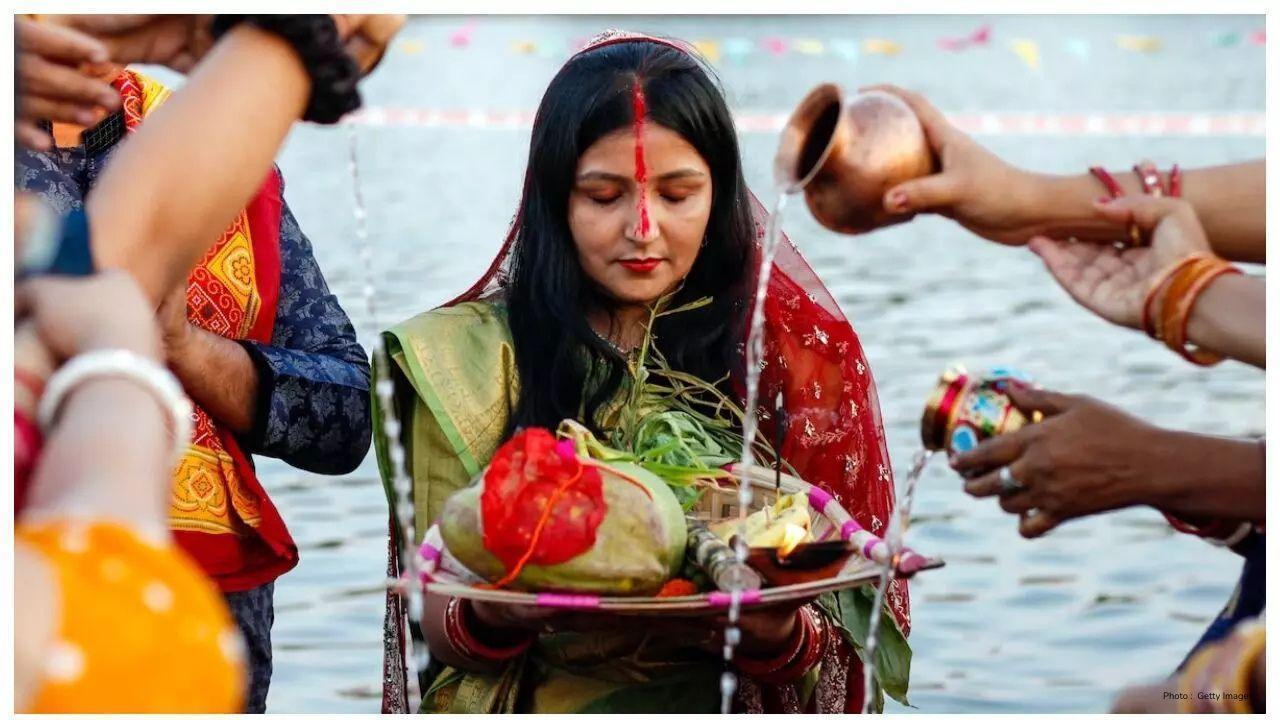
Chhath Puja is one of India’s oldest and most respected festivals. It is celebrated with deep devotion, discipline, and respect for nature. Mainly observed in Bihar, Jharkhand, Uttar Pradesh, and parts of Nepal, the festival honors Surya, the Sun God, and Chhathi Maiya (Mother Goddess). Devotees offer prayers to thank them for sustaining life on Earth and to seek blessings for health, happiness, and prosperity.
In 2025, Chhath Puja will be celebrated from October 22 to October 25. Millions of people will take part in fasting, prayers, and sacred rituals, making it one of the most spiritually significant festivals of the year.
The History and Importance of Chhath Puja
Chhath Puja has been celebrated for thousands of years. Legends say it began after Lord Rama and Goddess Sita returned from their 14-year exile. They prayed to the Sun God to thank him for their safe return. Over time, Chhath Puja became a festival that emphasizes purity, devotion, and care for the environment.
The festival teaches discipline, patience, and endurance. Devotees observe a strict Nirjala fast (without even water) and offer prayers standing in rivers, ponds, or lakes. This unique combination of spiritual devotion and physical endurance makes Chhath Puja very special.
How Chhath Puja is Observed
Chhath Puja lasts for four days, each with its own rituals:
1. Nahay Khay (First Day)
Devotees take a holy bath in rivers or ponds to purify themselves. They clean their homes thoroughly and eat simple vegetarian food like rice, lentils, and vegetables. This day prepares the body and mind for fasting.
2. Lohanda and Kharna (Second Day)
The second day is a full-day fast. In the evening, the fast is broken with Kharna, a special meal including rice pudding (kheer), chapatis, and seasonal fruits. Devotees spend the night praying and preparing for the next day’s rituals.
3. Sandhya Arghya (Third Day – Evening Offering)
This is the most important day. Devotees gather at rivers, lakes, or ponds to offer Arghya to the setting Sun. Women wear colorful sarees, and men wear traditional dhotis. Devotional songs called Chhath Geet are sung, creating a spiritual and festive atmosphere. Communities celebrate together, strengthening faith and devotion.
4. Usha Arghya and Parv-Samapan (Fourth Day – Morning Offering and Conclusion)
The fourth day begins with prayers to the rising Sun. After the morning rituals, devotees break their fast. Special offerings, or prasad, are shared among family, friends, and neighbors. This act concludes the festival and reinforces community bonds.
Unique Traditions of Chhath Puja
Walking Barefoot: Devotees walk barefoot to rivers or ponds, showing humility, devotion, and respect for nature.
Eco-Friendly Offerings: Only natural items like fruits, sugarcane, and thekua (a traditional sweet) are used. Plastics are avoided.
Community Bonding: People help each other prepare, sing songs, and pray together.
Health Benefits: Standing in water and fasting improves endurance, focus, and self-discipline.
Chhath Puja 2025: Celebrations Around the World
Chhath Puja is growing beyond India. Indian communities in Dubai and other parts of the UAE are setting up riverbank-style arrangements so devotees can observe the festival abroad. Cultural groups organize storytelling, folk songs, and workshops to teach younger generations about the rituals and their significance. This helps preserve traditions even far from home.
Why Chhath Puja Matters Today
Chhath Puja remains relevant because it teaches lessons beyond religion. It reminds people to slow down, show gratitude, and respect nature. Eco-friendly practices, water prayers, and community participation encourage sustainability and mindfulness. For millions, the festival strengthens physical, mental, and spiritual well-being while leaving a positive impact on families and communities.
Final Thoughts
Chhath Puja 2025 is a festival of faith, devotion, and respect for nature. From fasting without water to offering prayers in rivers, every ritual reflects discipline, purity, and spiritual connection. Whether celebrated in India or abroad, the festival is a chance to thank the Sun God and Chhathi Maiya, share blessings, and honor ancient traditions. It blends spirituality, environmental awareness, and human endurance, making it one of the most meaningful celebrations worldwide.


 English