Post by : Saif
Al-Najjar
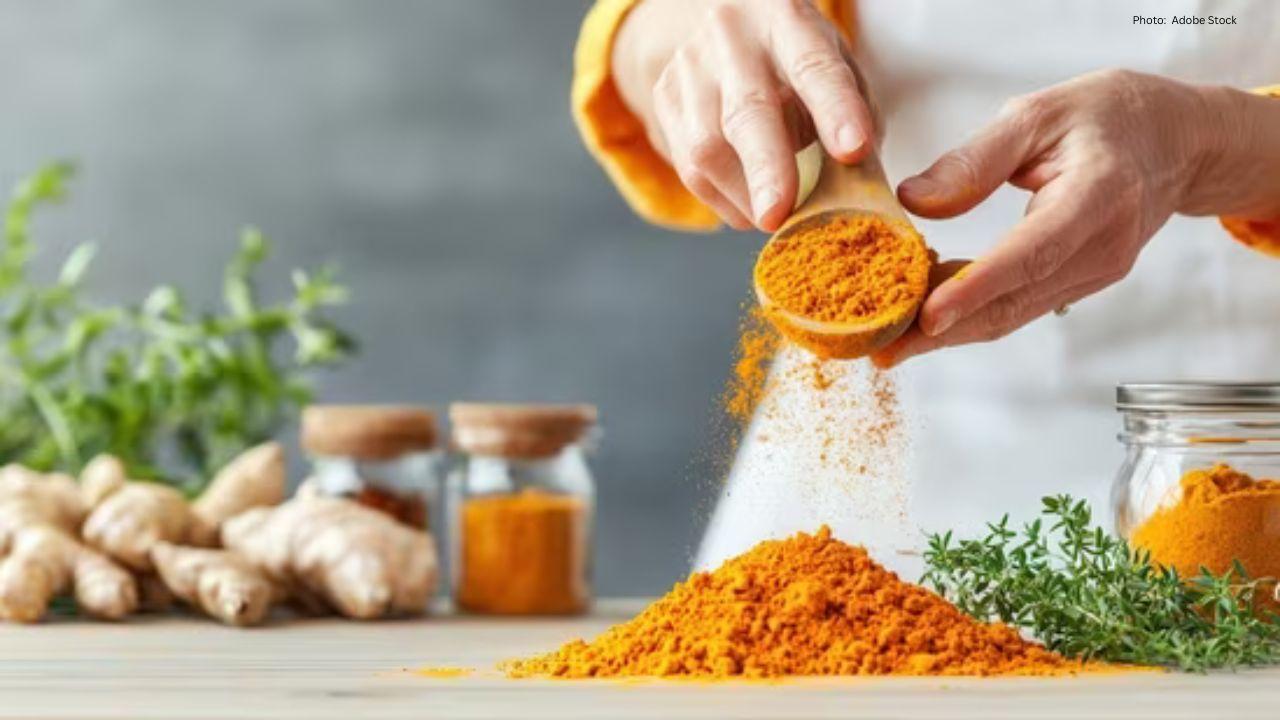
Turmeric is a staple spice in Indian kitchens, familiar for its warm yellow hue and subtle earthy flavor. Beyond its culinary role, families have long used turmeric as a home remedy for colds, cuts, coughs and joint discomfort. Nutrition specialists now say a small daily amount could help maintain health and guard against some chronic conditions.
The key ingredient behind turmeric’s effects is curcumin, a natural compound with notable anti-inflammatory and antioxidant activity. Curcumin can help lower internal swelling and shield cells from oxidative damage — two processes linked to many long-term illnesses.
Nutritionist Avni Kaul notes that modest, regular use of turmeric may benefit organs and systems such as the heart, brain, liver, joints, skin and digestive tract. Below are main reasons to consider adding it into your routine.
Turmeric Helps Reduce Inflammation
Inflammation is the body’s normal response to injury or infection, but when it persists it can contribute to conditions like arthritis, chronic pain and cardiovascular disease. Curcumin’s anti-inflammatory action can help ease stiffness and reduce ongoing tissue inflammation.
Turmeric is Rich in Antioxidants
Antioxidants counteract free radicals — unstable molecules that damage cells and accelerate aging. Research indicates turmeric can limit this cellular damage and may support healthier skin and overall cell function.
Turmeric May Lower the Risk of Cancer
Some studies suggest curcumin can slow the proliferation of cancer cells and hinder their spread. While turmeric is not a cure, regular dietary use could contribute to long-term protective effects.
It Supports Digestion
People who suffer from bloating, gas or sluggish digestion may find relief from turmeric. Its calming, anti-inflammatory properties can aid digestion and improve how the body breaks down food. Many drink warm turmeric water for gut support.
It May Help the Brain
Emerging research links turmeric to benefits for cognitive health. Curcumin may improve blood flow to the brain and support neural health, potentially lowering the risk of age-related memory decline.
Good for the Heart
By reducing inflammation and helping maintain healthy cholesterol levels, turmeric may contribute to cardiovascular wellbeing and lower the risk of heart disease and stroke.
How to Add Turmeric to Your Daily Diet
You do not need large quantities — about one small teaspoon a day can be enough. Simple ways to include it:
Sprinkle into vegetables, rice or soups
Stir a little into warm milk
Mix into warm water with honey
Use it in dals and curries
It’s important to use turmeric in moderation. Excessive amounts can upset some people’s stomachs. If you take regular medications or have existing health issues, consult a doctor before changing your diet.
A Simple and Practical Habit
Turmeric has been woven into Indian household traditions for generations, and contemporary science is increasingly validating its benefits. Making turmeric a small, regular part of meals is an affordable, accessible step to support overall health.


 English