Post by : Anis
Al-Rashid
“Consume 8 glasses daily.”
“More water leads to healthier skin.”
“Always carry a water bottle.”
“Detox with lots of water.”
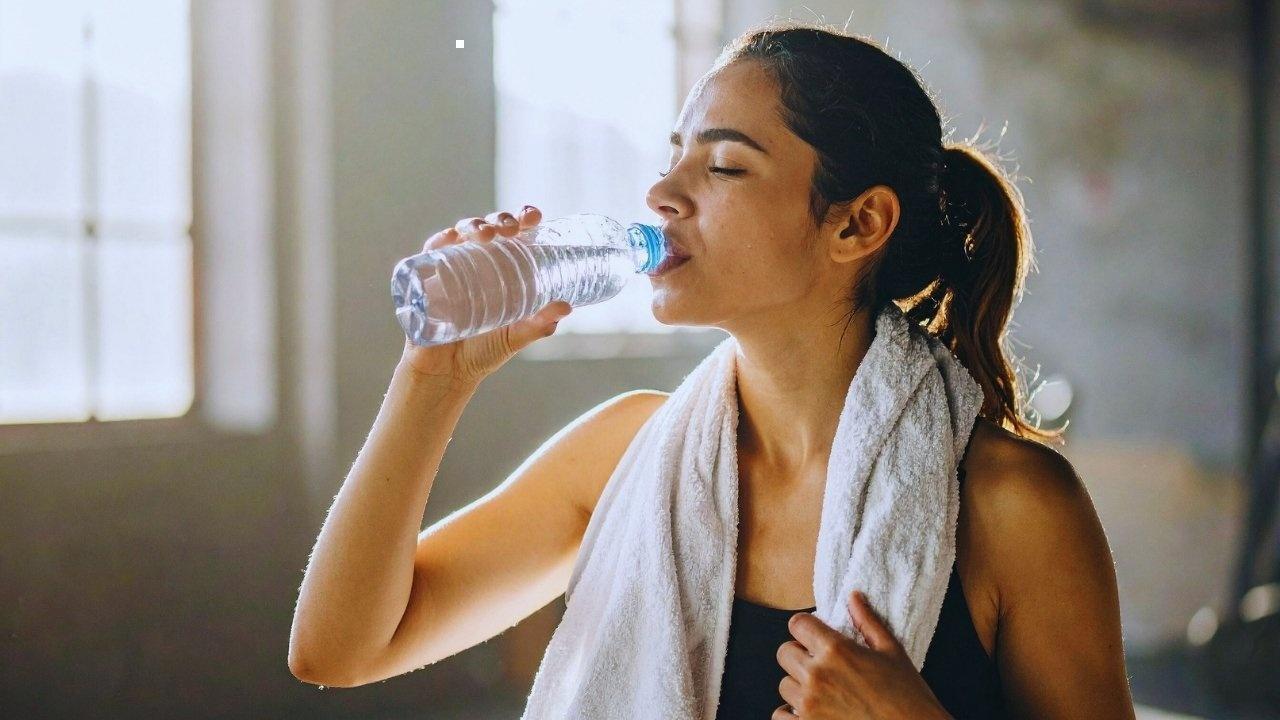
Hydration tips abound, yet real hydration isn’t merely a single prescription. Individual sweat rates, food choices, climate conditions, and activity levels play a role. Unfortunately, many individuals overconsume thinking it’s “healthy” or fail to drink enough, unaware of the gradual emergence of dehydration.
Water is vital — but how much deserves careful consideration.
Let’s simplify hydration through an approachable viewpoint that fits within daily lifestyles — moving past extreme wellness movements.
Hydration Needs: Not a One-Size-Fits-All Approach
Your hydration requirements can fluctuate based on:
-
Body size and weight
-
Level of daily physical activity
-
Weather conditions and sun exposure
-
Diet (influenced by water-rich versus dry foods)
-
Existing health conditions
-
Personal sweating propensity
-
Sodium intake
-
Quality of sleep
-
Consumption of caffeinated beverages
This explains why someone in an air-conditioned space may require less fluid than a person engaged in outdoor labor, and why a fitness enthusiast may need more than a sedentary worker.
Your body seeks balance, not a fixed intake.
The 8-Glass Recommendation: Useful Yet Not Definitive
“Drink 8 glasses of water per day” is a guideline but not a strict rule. Many people might need more, while some could require less.
A realistic approach:
Recommended Daily Intake
6–10 glasses for most healthy adults
(approximately 1.5 to 2.5 liters, dependent on individual factors)
This denotes a range, rather than a concrete target.
For those consuming moisture-rich foods like fruits, vegetables, soups, and other wet dishes, their hydration levels are often met without additional water.
Indicators of Adequate Hydration
Look for straightforward signs rather than relying solely on figures:
-
Light yellow urine (not completely clear or overly dark)
-
Infrequent feelings of thirst
-
Lips that are generally moist
-
No frequent unnecessary fatigue
-
Consistent energy levels throughout the day
Your body communicates constantly — in hydration, it whispers, rather than shouts.
Indicators of Insufficient Water Intake
Be alert for:
-
Dry lips and mouth
-
Persistent headaches
-
Unexplained fatigue
-
Constipation
-
Strong-smelling, dark urine
-
Dry skin without a discernible cause
-
Muscle cramps
-
Dizziness upon standing
-
Cognitive dullness, irritability
Mild dehydration often gets mistaken for needing coffee or simply feeling tired; in reality, it’s the body signaling a need for hydration.
Is Overhydration Possible? Absolutely.
Current hydration trends can lead some to drink excessively.
Symptoms of overhydration include:
-
Frequent trips to the restroom
-
Nausea and headaches
-
Dehydration of essential minerals (electrolyte disruption)
-
Stomach bloating and discomfort
-
In extreme cases, dangerously low sodium levels
Remember: hydration is about meeting your body’s needs, not inundating it.
Hydration Considerations for Indian Lifestyles
Office/Desk Workers
Recommended 1.5–2.5 liters, depending on AC settings and daily activity.
Outdoor Workers
Suggested 2.5–4 liters, especially with electrolytes on warm days.
Active Days
Consider adding 500ml–1 liter more + sodium/potassium through food/fluids.
Hot & Humid Areas
Increased sweating may go unnoticed — ensure regular fluid intake.
Travel or High Altitude
With drier air, hydration becomes even more critical.
Winter Hydration
People tend to overlook hydration, but dry air can dehydrate subtly. Keep warm fluids accessible.
Foods Contributing to Hydration
Hydration doesn’t rely solely on drinking — food contributes too.
India's water-rich foods include:
| Food |
Hydration Benefit |
| Cucumber |
Electrolytes + cooling |
| Coconut Water |
Natural minerals |
| Curd/Buttermilk |
Digestion + hydration |
| Watermelon/Melon |
Natural sweetness + water |
| Methi & spinach |
Hydrating leafy greens |
| Moong dal soup |
Protein + fluids |
| Sabja seeds |
Reduce heat + cool the stomach |
| Oranges, pineapples, pears |
Vitamin-rich hydration |
Effective hydration combines water, minerals, and fiber.
Electrolytes: The Key Component of Hydration
Salt, potassium, and magnesium play a crucial role.
Sweating or excessive plain water intake can lead to loss of essential minerals.
Smart natural sources include:
-
Coconut water
-
Lemon water with a sprinkle of salt
-
Buttermilk chaas
-
Banana (rich in potassium)
-
Jaggery water during the summer
-
Salted lime soda (an age-old remedy)
Electrolytes support energy, muscle strength, and nerve functions.
Common Hydration Myths Dispelled
Myth: More water leads to better skin
Truth: A balance of hydration, nutrition, and sleep carries more weight.
Water alone doesn't enhance skin; chronic dehydration leads to dullness.
Myth: Drink consistently, even if not thirsty
Truth: Maintain steady hydration, but pay attention to your thirst and the color of your urine.
Myth: Only plain water counts for hydration
Truth: Fruits, broths, chaas, and coconut water are also beneficial.
Myth: Clear urine indicates perfect hydration
Truth: Completely clear urine often signifies overhydration.
Aim for pale yellow.
Establishing a Practical Hydration Routine
No need for reminders or alerts — focus on developing habits.
Wake Up
1 glass of water (room temperature or warm)
Before Each Meal
Half a glass — aids digestion and helps control portions
Mid-Morning
Fruits or coconut water for hydration
Afternoon
Opt for buttermilk or lemon water
Evening
Limit water as bedtime approaches; opt for light intake
During Workouts
Take sips rather than gulps
Slow sips > large gulps
Hydration is a rhythm, not a rush.
Hydration Tips for Office & Travel
-
Carry a lightweight bottle; don’t force huge containers
-
Take water breaks during stretches
-
Have lemon and salt handy for quick hydration drinks
-
Drink a glass after returning from errands or travel
-
Opt for water and fruits over sugary juices in airports and trains
Link Between Hydration and Digestion
Inadequate hydration can lead to:
Warm water can help with digestive movement.
For some, cold water may hinder digestion.
Experiment with both types to find what suits your body.
Signs Kids & Seniors May Require More Water
Children often forget to hydrate, while seniors may feel less thirsty.
Watch for:
Frequently provide water-rich foods and fluids.
Specific Cases Requiring Unique Hydration Needs
Consult medical professionals if:
-
You have kidney-related issues
-
You are pregnant or nursing
-
You take diuretic medications
-
You have heart or blood-pressure concerns
-
You experience frequent swelling in your feet
-
You are on strict sodium restrictions
Personal advice is essential.
Sustainable Hydration Boosters
-
Utilizing a clay bottle in summer
-
Herbal infusion (mint, lemon, ginger)
-
Sipping warm water during winter
-
Incorporating sabja seeds into drinks occasionally
-
Consuming oranges/papaya after workouts
-
Chia seeds or soaked raisins for morning hydration
Focus on sustainable choices rather than drastic measures.
Closing Thoughts
Hydration should be about building a routine — it’s rhythmic.
It’s not merely consuming 8 glasses; it’s about attuning to your body’s signals.
Your body will express when it’s thirsty.
The color of your urine reflects your fluid status.
Your energy demonstrates if you are balanced.
Maintain awareness as you hydrate, without stress.
Receive hydration from both water and food.
Balance your salt intake rather than avoiding it entirely.
Sip throughout the day, avoiding chugging with guilt.
Your body flourishes through equilibrium, not extremes.
Disclaimer:
This article provides general insights into hydration and lifestyle. Those with medical conditions affecting fluid balance should always seek professional medical guidance.


 English