Post by : Anis
Al-Rashid
Understanding the Increasing Burden of Commuting
For countless individuals, the routine journey to work has become one of the most trying aspects of contemporary life. Lengthening travel times, erratic traffic patterns, congested public transit, escalating fuel prices, and shifting work schedules contribute to a commute that often feels more burdensome than it should. What used to be a reliable route now frequently turns into a daily hurdle.
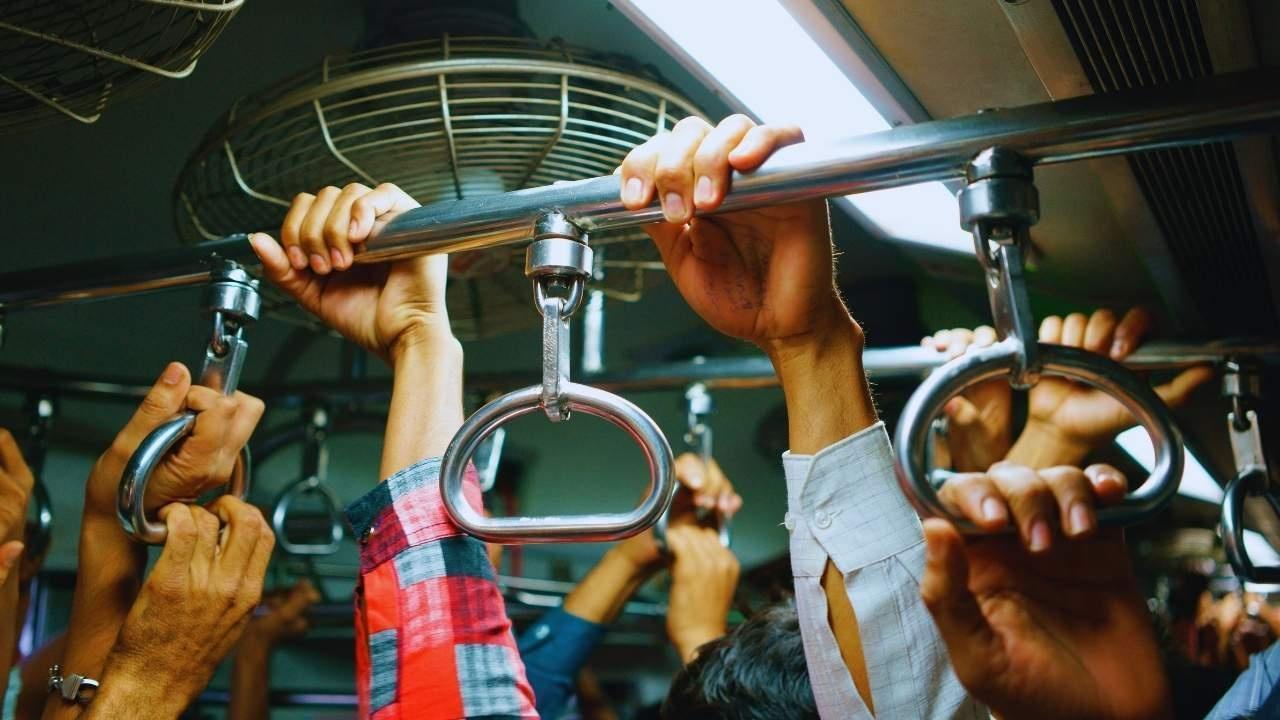
By 2025, as urban populations swell and transit demands rise, commuting stress is becoming increasingly evident. Many employees report extended hours spent in traffic jams, cramped train cars, or rearranging logistics due to detours. These stressors affect moods, productivity, relationships, and overall quality of life.
Interestingly, however, there are changes in how people view their commutes. Rather than resigning themselves to inevitable stress, many are adopting practical lifestyle adjustments to regain control over their daily journeys.
The Psychological Burden of Commuting
The strain of commuting is not limited to delays and congestion. A significant part of it arises from the mental baggage people carry long before they reach their offices. Waking up before their bodies are naturally inclined, hurrying through morning routines, fretting about punctuality, and facing unavoidable uncertainties contribute to elevated stress levels.
Numerous commuters admit that their energy is depleted before their workdays commence. This emotional drain is often overlooked, yet it influences everything—work efficiency, decision-making, conversations, and even physical health.
Recognizing this mental load marks the first step. Once commuters pinpoint their specific stressors, they can implement targeted changes to alleviate them.
Waking Up Earlier Without Stress
An effective and simple change entails waking up just a bit earlier—not to ramp up productivity, but to ease into the day slowly. Rather than sprinting from bed to responsibilities, people are realizing the benefits of a calm morning. A few minutes spent stretching, enjoying breakfast, or savoring quiet moments can significantly reduce the urgency that often accompanies morning routines.
Rising even ten minutes early can cushion against unexpected delays, diminishing the cycle of stress triggered by running late.
Evening Preparations for a Smoother Morning
A significant portion of commuter stress stems from frantic morning disarray. Items such as misplaced keys, incomplete bags, and forgotten papers escalate tensions before stepping out the door.
Organizing everything the night before—clothes, bags, essentials, meals—completely eliminates morning chaos. Those who plan ahead often feel more composed and ready for the day.
This small tweak transforms mornings into smooth transitions, lessening stress before it has a chance to escalate.
Choosing Routes for Peace Over Speed
Many people immediately opt for the quickest route to their destination. However, the fastest option can sometimes be the most stressful. Some commuters prefer slightly longer paths that are more predictable or less congested. Others choose alternative travel hours to avoid the frustration of peak times.
Favoring a serene route, even with a minor delay, often leads to a more composed mindset throughout the day.
Making Commute Time a Personal Renewal
Rather than resisting their journeys, many are learning to embrace the commute and utilize it constructively. Travel time can serve as a mental reset, particularly after demanding work hours.
Some listen to relaxing music, while others dive into podcasts or audiobooks that divert their minds from daily stressors. Such choices can turn the commute from a mundane task into an enriching experience.
For those who prefer quiet, gazing out the window or observing their surroundings can also be therapeutic, transforming their commutes into a time for personal reflection.
Breathing Techniques to Curb Anxiety
Anxiety during commutes is palpable. Crowded environments, erratic movements, and noise can overwhelm anyone’s mind. Practicing simple breathing techniques—deep inhalations, slow exhalation, and rhythmic pauses—can help soothe the nervous system.
These techniques are applicable while waiting at signals, walking to transit stations, or riding in crowded buses, allowing individuals to feel more grounded and in command, even amidst chaos.
This lifestyle adjustment requires little effort yet has a significant positive impact.
Physical Comfort: An Often Overlooked Factor
An important source of commuting stress can be traced back to physical discomfort—bulky backpacks, unsupportive shoes, adverse weather, or tense shoulders. Transitioning to lighter bags, choosing comfy footwear, staying hydrated, dressing suitably for weather conditions, and making ergonomic choices can help mitigate physical strain.
A comfortable physique fosters a more tranquil mind.
Commuters prioritizing comfort over style often report reduced aches and increased energy throughout the day.
Adjusting Expectations to Minimize Frustration
High expectations can exacerbate stress. Many commuters anticipate clear roads, timely train arrivals, and empty buses. However, reality often diverges from these ideals.
By accepting that delays and crowded conditions are part of the experience, commuters can alleviate mental tension. While inconvenience remains, it becomes easier to navigate without letting emotions intensify the situation.
Shifting one’s mindset is a subtle yet powerful adjustment with positive mental outcomes.
The Growing Trend of Incorporating Walks into Commutes
An intriguing trend in 2025 is commuters deliberately integrating walking segments into their journeys. This may involve brief walks to bus stops, alighting early from trains, or taking a short stroll before reaching home.
Walking helps alleviate stress, loosen up the body, and refresh the mind. Individuals who incorporate these walking segments often feel lighter both mentally and physically.
Moreover, it enhances mood and serves as a natural transition between work and personal time.
Maintaining Hydration and Smart Snacking
Dehydration can heighten fatigue and irritability, both significant contributors to commuting stress. Carrying a simple water bottle helps combat this issue. Healthy, light snacks—like fruits and nuts—sustain energy levels during lengthy commutes.
Stable energy helps mitigate mood swings caused by hunger, and packing snacks can easily help manage stress during travel.
Establishing Digital Boundaries to Reduce Mental Clutter
A major source of commuting stress is digital noise. Work-related messages, social media alerts, and incessant notifications contribute to cognitive overload.
More commuters are prioritizing boundaries by:
Silencing phones.
Delaying work message checks until reaching their offices.
Limiting social media use during commutes.
Such barriers protect the mind from excessive cognitive strain.
Transforming commuting into low-screen time cultivates emotional strength.
Harnessing Music to Foster Calm
Music greatly influences mood. Soft instrumentals, soothing playlists, or cherished retro tunes can bring tranquility during stressful rides.
Some commuters opt for nature sounds—like rain, ocean waves, or soft winds—to offset urban noise.
These auditory selections enhance how individuals perceive their commuting experiences.
Turning Connections into Rituals for Positivity
Many opt to call family or close friends while commuting. These exchanges foster warmth in what might otherwise be a stressful segment of the day. Sharing laughs or updates enhances the sense of connectedness and reduces commuting fatigue.
This addition of meaningful dialogue transforms commuting into a more enjoyable experience.
Structuring the Day During the Commute
Morning journeys present a chance to mentally map out the day. Calmly considering tasks, priorities, and goals helps establish structure and reduces midday peaks in stress.
Conversely, evening commutes offer moments to unwind and mentally disconnect from work. Those who intentionally partition their work and home life through mental routines find the transition smoother.
This mental clarity enhances both ends of the commuting experience.
Embracing Small Breaks for Relief
Micro-breaks during commutes—like stretching at stoplights, calmly standing during transitions, or gently adjusting posture—help break physical tension.
These small movements can improve blood flow and alleviate both mental and physiological stress.
Why Incremental Changes are More Effective than Major Overhauls
Many daunting stress reduction strategies can feel unmanageable over time. Small lifestyle shifts, however, integrate seamlessly into daily routines and are easier to uphold.
Commuters embracing these minor changes notice smoother days, enhanced moods, and less emotional volatility.
A More Sustainable Commuting Future
Sustainable commuting transcends environmental considerations—it also pertains to personal well-being. When commutes become more manageable, life appears more balanced.
Small adjustments empower individuals to mold a stressful journey into a manageable daily transition, fostering emotional stability and mental resilience.
A Forward Look
As we progress into the coming years, the challenges of commuting will likely persist. However, through mindful adjustments, awareness, and empowering habits, individuals can navigate these demands with greater agency and confidence.
While the commute may never be flawless, it can evolve to be calmer, more health-conscious, and more deliberate.
Disclaimer:
This article serves general lifestyle and wellness purposes. It is not a substitute for medical or psychological advice. Readers should evaluate their unique circumstances before adopting new routines.


 English