Post by : Anis
Al-Rashid
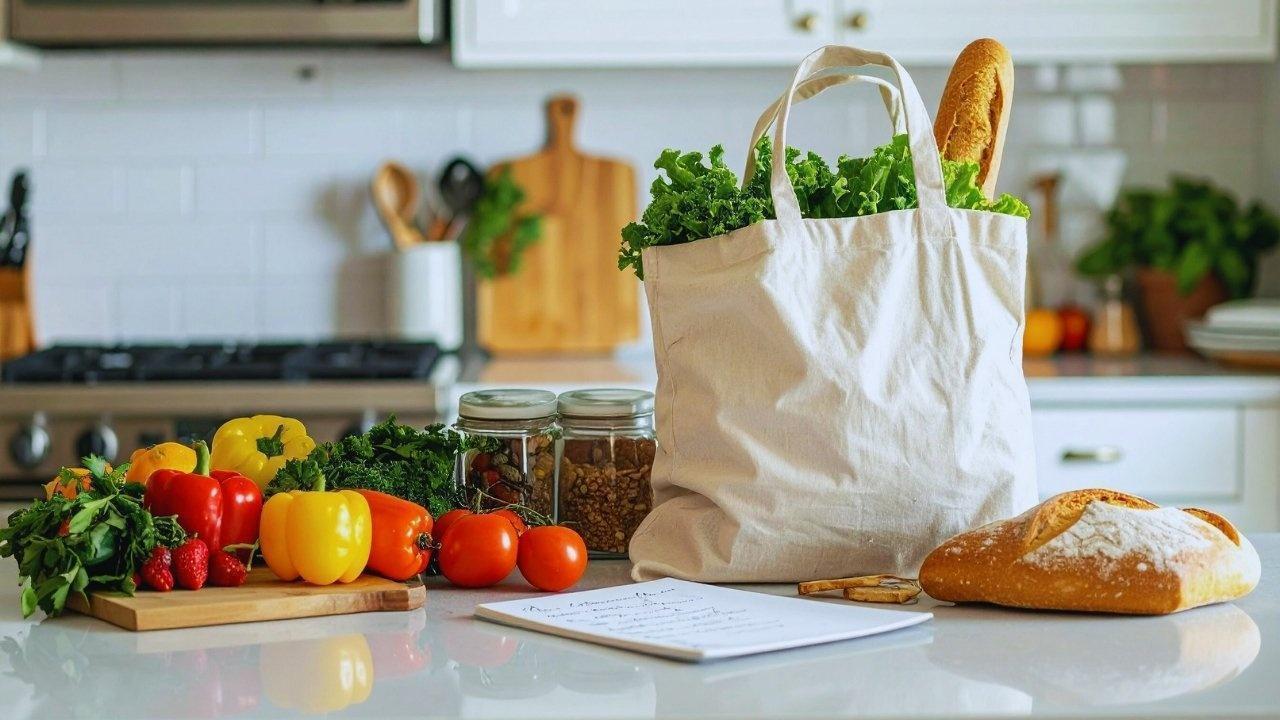
As grocery costs continue to increase, households are constantly seeking efficient ways to manage their food expenses while ensuring nutritious and tasty meals. Contrary to the belief that meal-prepping is a tedious affair reserved for fitness enthusiasts, a systematic meal prep routine is a straightforward method to streamline your diet, manage costs, and curb impulsive takeouts.
This article showcases a feasible meal prep strategy designed for an average daily budget of ₹200 per person. The goal isn’t to advocate for extreme penny-pinching, but rather to show how effective planning, conscious shopping, and flexible recipes can allow anyone to operate within a manageable budget. All ingredients discussed here are accessible, economical, and commonly found in Indian markets. The emphasis is on taste, nutritional value, and preparation simplicity, making the recipes ideal for both busy individuals and families.
Grocery Planning for ₹200 Per Day
Establishing a Weekly Budget Framework
Instead of itemizing every single meal, it's advantageous to implement a straightforward weekly budget. For an individual, ₹200 daily amounts to ₹1,400 weekly. A sensible distribution could be:
-
₹500–₹550 for fresh produce
-
₹250–₹300 for staple grains (rice, wheat, oats, lentils)
-
₹150–₹200 for protein sources (eggs, soya, paneer)
-
₹150–₹200 for snacks or extras (yogurt, peanuts, buttermilk, spices as required)
-
₹200–₹250 contingency (to account for price variations or unplanned buys)
This adaptable framework accommodates both essential needs and occasional treats, keeping you within your weekly budget.
Smart Buying Strategies to Cut Costs
To preserve quality and diversity within the ₹200-per-day budget, minor strategic modifications are beneficial:
-
Opt for seasonal produce
These items are typically less expensive, fresher, and more nutrient-dense.
-
Share bulk purchases with neighbors
Buying in larger quantities for staples like rice and lentils can lower the cost per kilogram.
-
Select economical protein options
Soya chunks, lentils, eggs, and yogurt offer great nutrition without spiking expenses.
-
Avoid high-priced snacks
Even a few costly pre-packaged foods can easily blow the ₹200 daily limit.
-
Utilize ingredients across multiple recipes
For example, spinach in your lentil dish can easily be incorporated into flatbreads the next day, minimizing waste and costs.
-
Prepare dishes that maintain quality for 2–3 days
Cooking lentils, boiled chickpeas, or grain mixes in advance saves both cooking time and energy costs while guaranteeing stable spending.
Weekly Grocery Checklist for One Person
Fresh Produce (₹500–₹550)
-
2 kg Potatoes
-
1 kg Onions
-
1 kg Tomatoes
-
1–2 Bundles of Spinach or Mixed Greens
-
500 g Carrots
-
500 g Beans or Bell Peppers
-
500 g Eggplant or Okra
-
6–8 Bananas
-
1 Medium Seasonal Fruit (Papaya/Guava/Orange)
Staple Foods (₹250–₹300)
Proteins (₹150–₹200)
Extras (₹150–₹200)
-
500–700 g Yogurt
-
500 g Peanuts
-
1 Litre Buttermilk (optional)
-
Cooking Oil (calculated proportionately)
-
Basic Spices (only if necessary, generally last for weeks)
This comprehensive list remains well within the weekly ₹1,400 limit and ensures sufficient variety to prevent monotony.
A ₹200-a-Day Meal Plan
Breakfast Routine: Healthy Morning Meal Under ₹40
A hearty breakfast need not be costly. By featuring oats, poha, and eggs prominently, the overall expense stays limited while ensuring balanced nutrition.
Breakfast Choices
-
Masala Oats Bowl
-
Oats combined with onions, carrots, tomatoes, and basic spices
-
Cost estimated at ₹20–₹25 per serving
-
Keeps you satisfied for hours
-
Vegetable Poha
-
Boiled Egg and Banana
Incorporating these options ensures variety while the breakfast cost remains under ₹40 daily.
Lunch and Dinner Meal Prep
Lunch: Balanced Plate Around ₹70–₹80
Lunch should cover grains, protein, and vegetables. A simple yet effective layout works best:
-
Grains: either rice or roti
-
Proteins: lentils, soya, or eggs
-
Vegetables: sabzi made from the weekly ingredients
-
Optional: yogurt (if budget allows)
Simple Lentil Variations
-
Moong Dal Tadka
-
Moong Dal with Spinach
-
Tomato Moong Dal Fry
Moong dal is quick to prepare, keeps well, and pairs beautifully with various taste profiles.
Vegetable Combinations for Sabzi
Cooking larger quantities for sabzi reduces daily cooking time and gas expenses.
Dinner: Light Yet Filling Meals Around ₹50–₹60
Dinner should be pleasing without being overly heavy, especially under a budget plan.
Dinner Options
-
Khichdi in One Pot
-
Made with rice, moong dal, and vegetables
-
Cost approximately ₹20–₹25 per serving
-
Easily digestible, high in nutrients
-
Soya Curry with Roti
-
Includes soya, onion, tomato, and spices
-
Approximate cost: ₹25–₹30
-
Vegetable Upma or Savory Oats
Using these combinations allows for satisfying yet economical dinners.
Sample Day Meal Plan Under ₹200
Illustrative Day
Breakfast: Masala Oats with Banana
Lunch: Rice, Moong Dal, and Potato-Beans Sabzi
Evening Snack: Roasted Peanuts and Buttermilk
Dinner: Soya Curry with 2 Rotis
Total: ~₹180–₹190
The extra budget allows for flexibility with fruits, yogurt, or slight price shifts.
Meal Prep Recipes
Masala Oats (Serves 2)
Ingredients
Method
-
Heat a pan, sauté onions and carrots.
-
Add tomatoes and spices.
-
Mix in oats and water.
-
Cook until creamy.
-
Serve warm.
Moong Dal Tadka (Serves 3)
Ingredients
Method
-
Wash and pressure-cook dal.
-
Prepare tadka with cumin, chili, garlic, onion, and tomato.
-
Incorporate dal and let simmer for a few minutes.
-
Adjust seasoning as desired.
Suitable for storing for an additional day, minimizing cooking time.
Soya Chunk Curry (Serves 3)
Ingredients
-
1 cup soya chunks
-
2 onions
-
2 tomatoes
-
Ginger-garlic
-
Basic spices
Method
-
Soak soya in hot water and squeeze out moisture.
-
Sauté onions and tomatoes until tender.
-
Add spices and cooked soya.
-
Simmer for 10–12 minutes.
-
Serve with rice or roti.
Budget Khichdi (Serves 2–3)
Ingredients
-
½ cup rice
-
½ cup moong dal
-
1 carrot
-
A few beans
-
Cumin, turmeric, salt
Method
-
Wash all ingredients and combine them in a cooker.
-
Add 3.5–4 cups of water and spices.
-
Pressure-cook for 3–4 whistles.
-
Serve with yogurt when available.
Comforting and economic.
Tips for Effortless ₹200-per-Day Meal Prep
Batch Cooking for Efficiency
Prepare larger quantities of lentils or sabzi and store them in airtight containers to reduce effort and minimize impulsive food buying.
Smart Use of Leftovers
-
Leftover dal → dal paratha
-
Cooked vegetables → sandwich filling
-
Extra rice → yogurt rice or lemon rice
Incorporate Dual Protein Sources Daily
Rather than depending solely on paneer or meat, balance with affordable proteins:
-
One egg
-
A portion of lentils
-
Soya chunks
-
A bowl of yogurt
Including protein enhances fullness and curbs overeating.
Pack Homemade Snacks
Carrying roasted peanuts, chickpeas, or fresh fruit cuts down on expensive external snacks.
Minimize Frequent Grocery Shopping
Frequent shopping trips often lead to unplanned expenses. Adopting a weekly shopping system cultivates discipline.
Monitor Oil Usage
Oil quietly increases weekly costs. Controlled application retains flavor without overspending.
Why ₹200 a Day is Practical
Maintaining a ₹200 daily target allows for balanced meals without sacrificing nutrition. It fosters home cooking, reduces reliance on packaged products, and eliminates the financial unpredictability of last-minute purchases.
Ideal for students, professionals, and small families, this framework provides consistency and ease. Additionally, there’s flexibility for slight fluctuations—some days may total ₹170, while others may hit ₹220, yet the weekly average balances out.
Conclusion
Meal prep extends beyond mere budgeting; it cultivates a lifestyle that lessens stress, conserves time, and fosters improved health. As expenses continue to rise, a pragmatic approach like the ₹200-a-day framework aids households in regaining stability. It harmonizes nutrition, affordability, and convenience without sacrificing flavor or variety.
Once the routine is established, easily adjust portions, ingredients, or meal choices while adhering to the budget. The essence lies in consistency: short prep times on weekends, a well-thought-out grocery list for the week, and minor planning modifications can transition daily eating into an organized, budget-efficient practice.
Disclaimer
This article aims to provide general guidance for everyday budget meal preparation. Actual costs may vary based on location, season, brands, and availability. Individuals with dietary restrictions or health conditions should adapt ingredients as necessary.


 English