Post by : Anis
Al-Rashid
A Shift Toward Simplicity
In a world dominated by technology, with every heartbeat monitored by devices, self-care has been transformed into a digital affair. From meditation platforms to smart fitness trackers, wellness has been categorized into data points. Yet, an increasing number of individuals are stepping back from their screens to embrace a more authentic experience—the DIY home spa.
This movement encapsulates the essence of mindfulness in the face of burnout and digital overexposure, offering a sanctuary for relaxation.
Creating a personal spa environment is about more than luxury; it's about reconnecting with oneself. Ditching notifications for the soothing comfort of touch, aroma, and ambiance can turn an ordinary evening into a serene ritual that calms the mind and relaxes the body.
The Resurgence of Offline Wellness
In recent years, self-care has increasingly become tied to screen interactions—virtual workouts, app-guided meditations, and paid wellness subscriptions. This constant connection often blurs the line between rest and daily routine. The DIY home spa trend re-establishes personal autonomy in self-care, offering a private oasis away from the incessant noise.
Offline practices allow for mental rejuvenation. The absence of buzzing alerts facilitates true relaxation. Research indicates that simple routines—such as an Epsom salt foot soak or a homemade facial treatment—can significantly reduce stress levels and boost endorphin production. Engaging your senses without digital distractions fosters peace in the moment.
Creating Your Personal Home Spa Retreat
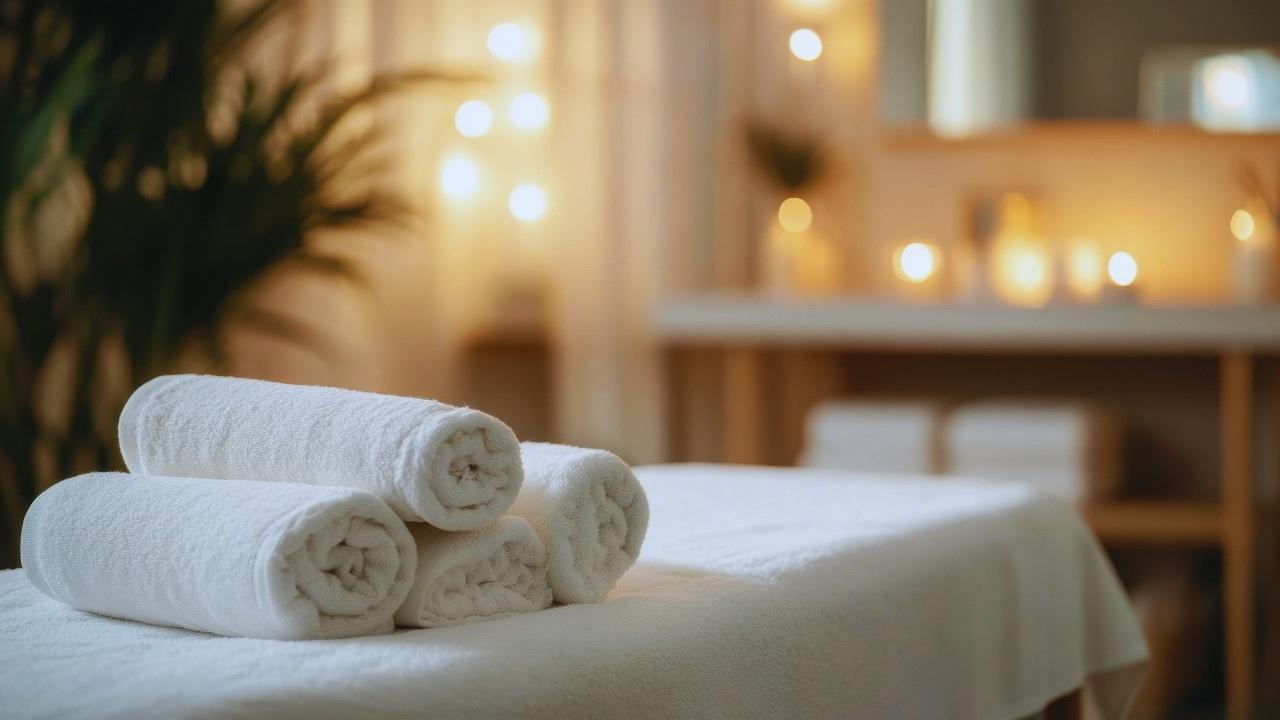
You don't need expensive gadgets or design expertise to create a home spa. Identify a tranquil space where you can escape distractions. Utilize soft lighting, a few candles, or natural light filtering through curtains to set a calming mood. Incorporate soothing elements like plants, fluffy towels, or bowls filled with rose petals for a delicate scent.
Gather everyday ingredients for your natural treatments. Common kitchen staples can be surprisingly effective for self-care. Honey hydrates the skin while oats calm irritation, and coconut oil offers deep nourishment. Create a rejuvenating scrub with brown sugar and olive oil or a cleansing mask with yogurt and turmeric. Each DIY treatment can be precisely tailored to fit your unique skin needs and mood.
Emphasizing Mindfulness Over Mechanicals
In contrast to automated approaches, DIY spa experiences foster a deep connection to the present. As you apply a mask or immerse your hands in warm water, you learn to attune yourself to the texture of your skin, the rhythm of your breathing, and the sensations that surround you. This mindful practice distinguishes nurturing rituals from mere routines.
Some even incorporate simple meditative practices during their spa time, such as enjoying natural sounds, journaling, or expressing gratitude. The aim is not perfection, but presence—developing emotional resilience through analog experiences that technology often fails to replicate.
Accessible and Eco-Friendly Self-Care
The DIY home spa movement thrives on its accessibility. No high-cost memberships or extravagant beauty products are necessary. Most treatments utilize affordable, natural ingredients that are sustainable. It represents wellness without waste.
Crafting your own scrubs and masks cuts down on product waste and eliminates microplastics found in many commercial items. Using local ingredients like aloe vera or coffee grounds not only supports eco-friendly practices but also reduces reliance on mass-market skincare lines.
This trend aligns with the growing “slow living” ethos—an intentional lifestyle prioritizing quality, mindfulness, and presence over the relentless quest for productivity.
The Emotional Gain of Hands-On Care
Touch is an often-overlooked healing force. Applying a mask, massaging your scalp, or soaking your feet actively engages your body's relaxation response. These physical interactions can lower anxiety and boost moods.
Adopting such wellness rituals also establishes emotional consistency. Amid chaotic lives and overwhelming external stimuli, your spa time serves as a meaningful interlude—a reminder that self-care is about nurturing, not altering.
From Trend to Living Practice: The Future of Offline Wellness
The DIY home spa approach transcends its current status as a wellness trend, signaling a broader cultural shift. In an increasingly virtual world, people yearn for genuine comfort and simplicity. Wellness is adapting, transforming from a consumer-focused endeavor into a deeply personal practice grounded in self-awareness.
As society navigates the intersection of technology and authenticity, the home spa ritual is set to evolve further. Whether opting for scheduled self-care evenings or sporadic moments of tranquility, this offline experience continues to remind us that genuine healing starts from within, not from a device.
Disclaimer:
This article serves informational purposes only. The DIY home spa treatments referenced are based on typical wellness practices. Readers with specific skin issues or allergies should consult a dermatologist prior to trying new home remedies.


 English