Post by : Anis
Al-Rashid
Protecting Your Biometric Data: An Urgent Concern
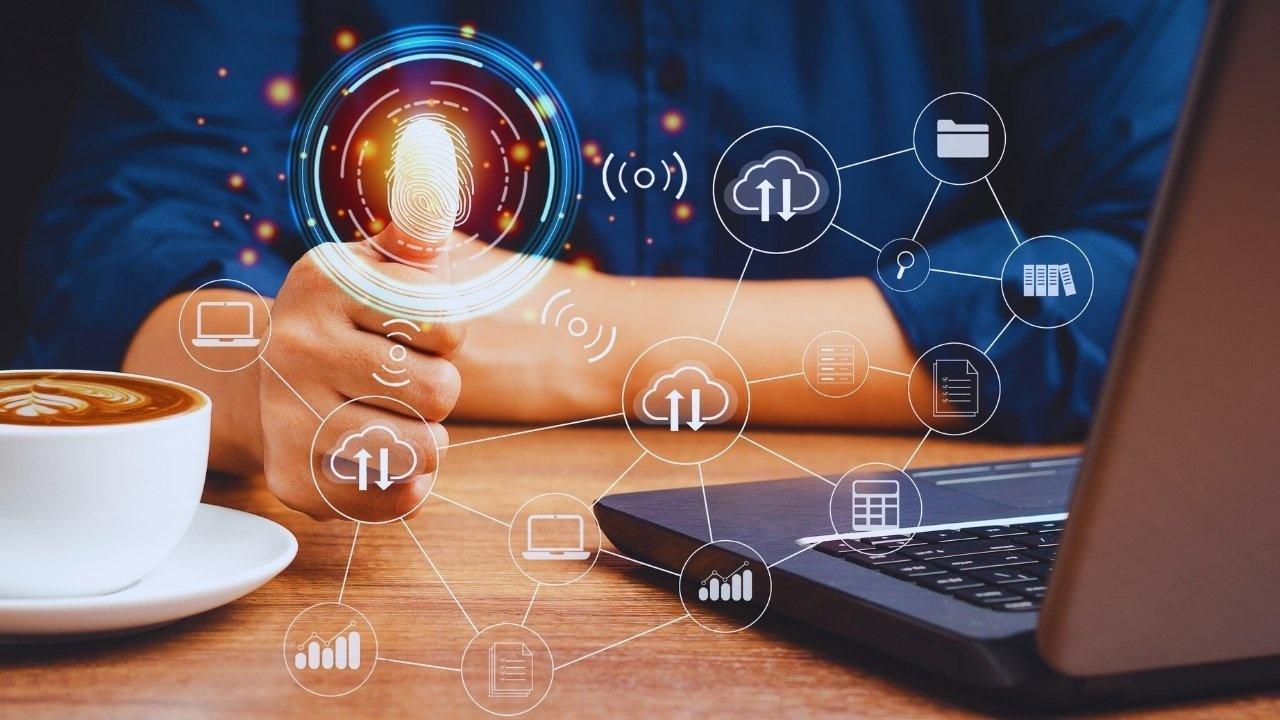
Biometric data—including facial recognition, fingerprints, and vocal patterns—has transitioned from high-security settings to everyday applications. From facial recognition for unlocking smartphones to biometric authentication in various apps, the reliance on biometrics has surged.
As the adoption of biometric technology expands, significant concerns about storage, consent, and potential misuse are gaining attention. Unlike traditional passwords, biometric identifiers cannot be changed or reset once exposed. Additionally, AI technologies that can mimic these traits further complicate the risk landscape.
It’s essential for users to be proactive in understanding how their biometric information is collected and stored, as well as steps to reduce exposure.
What Is Classed as Biometric Data?
Many individuals associate biometrics solely with fingerprints and facial recognition; however, it encompasses a broader range of identifiers:
facial geometry and expressions
fingerprints and palm-prints
retinal scans and iris patterns
voice tone and speech patterns
gait and posture
typing speed and touchscreen interaction
vein and ear patterns
biometric data from wearables
As technology evolves, the methods of data collection become more intricate, thus necessitating robust privacy measures.
Why Biometric Data Poses High Risks
There are several reasons why biometric data is considered sensitive:
Irreplaceable Nature
Once compromised, biometric traits can’t be altered like passwords.
Indefinite Profiling Capabilities
Biometrics can permanently link identities with behavioral patterns and actions.
Potential for Unauthorized Use
Biometric data can be captured without consent through various sensors.
Risk of Identity Fraud
Advanced technologies can utilize biometric data for fraudulent purposes.
Long-Term Tracking Risks
This data can enable tracking across multiple devices and platforms.
User vigilance regarding biometric privacy is critical, much like how one would handle sensitive financial data.
Practical Measures for Protecting Your Biometric Information
Implement these practical steps to enhance your biometric privacy in the digital space:
Limit Biometric Data Submission
Users often overshare biometric data. To mitigate risks:
Only enable facial recognition for essential apps.
Utilize numeric codes instead of biometric verification.
Avoid unnecessary biometric prompts on websites.
Adjust Device Settings
Many devices come pre-configured to use biometric options for convenience:
Disable facial unlock in favor of strong passcodes.
Switch off fingerprint recognition on rarely used devices.
Restrict background scanning features when not needed.
Regular App Permission Review
Applications frequently request more access than they need. Review permissions regularly:
Avoid Face-Mapping Filters
Many social media filters rely on facial mapping, which can gather detailed biometric identifiers.
Minimize Use of Voice Verification
With voice cloning technology on the rise, refrain from using voice biometrics whenever possible.
Opt Out of Biometric Databases
If possible, request the removal of your biometric data from platforms. This includes deleting old records from unused apps.
Enhance Non-Biometric Security
Establish strong traditional security measures to reduce reliance on biometrics, including:
Protect Wearable Device Data
Wearables collect sensitive biometric data, so be sure to:
Reduce Public Exposure
In public, try to minimize exposure to surveillance systems:
Protect Children's Biometric Privacy
It’s imperative to keep children's biometric information safe by:
The Importance of Location-Based Storage
When possible, opt for local storage of biometric data instead of the cloud. This minimizes exposure risks.
Demand Transparency from Companies
Before sharing biometric data, inquire about its handling:
Be Cautious of AI Applications
AI tools often need detailed samples of biometric information. Avoid sharing too much data.
The Path Ahead: Treat Biometrics with Caution
Biometric data should be seen as core to an individual’s identity, comparable to personal documents like passports or bank details. Awareness is necessary to safeguard against misuse.
In Conclusion
As biometrics become commonplace, users must take charge of their data. Protecting biometric information is crucial in today’s interconnected landscape, where technologies can easily replicate or misuse identity traits.
Being proactive and informed is key to preserving your digital identity.
Disclaimer:
This article provides general information on biometric privacy. For specific concerns, consult cybersecurity experts for tailored advice.


 English