Post by : Anis
Al-Rashid
Photo: Reuters
The Unfinished Trade Battle
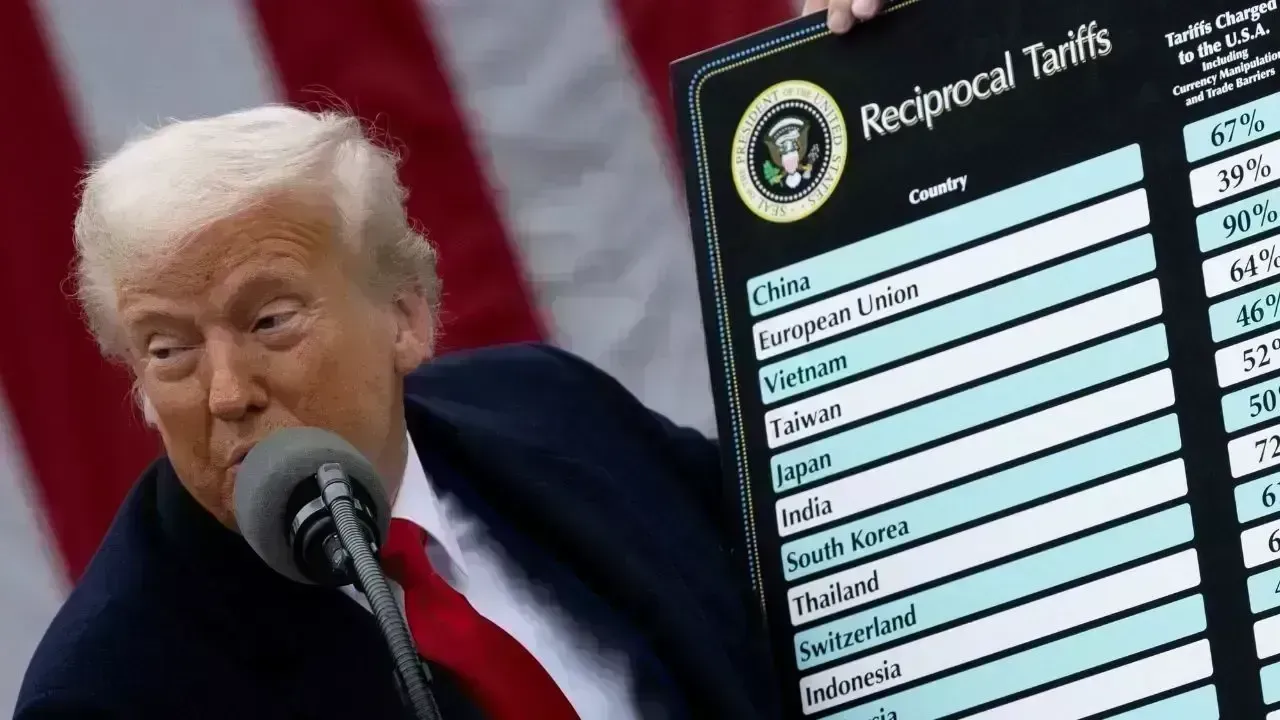
Years after tariffs were introduced on foreign goods, many expected a return to normalcy once political shifts occurred. Yet, that expectation proved misguided.
Rather than disappearing, these tariffs have become entrenched in the pricing structures of various industries, influencing how manufacturers, importers, and retailers operate day after day.
While public discourse on tariffs has diminished, consumers are still paying their price.
Understanding Tariffs and Their Importance
Tariffs are levies imposed on imported goods, effectively raising costs for importers.
Typically, importers do not absorb these fees; instead, they are passed on.
Essentially, tariffs function as a hidden tax on everyday items.
They often don’t appear on bills, blending seamlessly into final prices.
The Myth of Instant Policy Change
Trade regulations are not immediate. They become embedded in:
A business moving production due to tariffs won't merely revert back when political agreements change.
Factories are not temporary setups.
Supply chains are not flexible.
Manufacturing remains a slow and costly process.
Why Prices Haven't Decreased Post-Trade War
Initially, the introduction of tariffs caused prices to soar. Many anticipated a decrease in costs once tensions eased.
Instead:
-
Prices remained high
-
Suppliers began negotiating higher rates
-
Manufacturers made permanent adjustments
-
New tariffs replaced previous ones
-
General economic uncertainty lingered
Businesses factored in risk.
As purchasers accepted higher prices, the market shifted to accommodate these costs.
What was supposed to be temporary has instead endured.
The Ripple Effect of Tariffs
A tariff imposed on one product doesn't just impact that item alone. It creates a chain reaction.
Example:
A steel tariff
→ raises tool costs
→ inflates vehicle production costs
→ increases transport fees
→ leads to higher retail delivery prices
→ culminates in increased consumer costs
This ripple reaches well beyond borders.
The global economy operates as an interconnected entity.
Electronics Continue to Bear Hidden Tariff Costs
Devices like smartphones and laptops are particularly affected.
Even products assembled locally use many imported parts.
When:
Ultimately, the overall cost for electronics rises, even with local assembly.
This is why prices in the electronics sector:
The costs remain entangled within the layers of global trade.
Rising Clothing Costs Go Unnoticed
Clothing is among the most widely manufactured items globally.
A typical shirt might include:
Tariffs on clothing imports have quietly raised prices.
No announcements are made.
Labels merely absorb the new costs.
A shirt that used to cost less might now be sold as “premium quality” without any design change.
The price hikes are masked as fashion evolution.
Food Prices Affected by Tariffs
Many believe tariffs primarily impact factories and machinery, but food products are also significantly affected.
Tariffs have influenced:
-
Grain costs
-
Dairy product pricing
-
Soybean trade dynamics
-
Livestock feed pricing
-
Fertilizer expenses
As farmers’ costs climb, grocery bills follow suit.
Food pricing is sensitive to:
-
Fuel expenditures
-
Packaging costs
-
Import taxes
-
Currency fluctuations
Tariffs have acted as subtle pressure multipliers within food supply networks.
This contributes to reasons why:
-
Food inflation seems persistent
-
Grocery prices remain high
-
Seasonal price relief fades quickly
Logistics and Tariffs
To navigate tariffs, companies did not merely cease imports. They adapted by rerouting trade.
Legacy shipping routes were abandoned for new ones.
Manufacturing zones changed, and warehouses were shifted.
Trade corridors underwent redesigns.
Logistics became digitized more rapidly, but costs escalated.
Shipping rates never returned to their previously lower levels.
As shipping firms invested in new routes and ports, they made up their costs through higher rates.
And those increased costs find their way to consumers.
The Burden on Small Businesses
While large corporations employ teams to manage trade complexities, small businesses often lack that support.
They face challenges such as:
-
Navigating customs documentation
-
Finding alternative sources
-
Absorbing heightened costs
-
Changing suppliers
For many small manufacturers and importers, tariffs became tests of survival.
Many shut their operations.
Others downsized.
Those who remained raised their prices.
Consumers absorbed these costs.
Manufacturing Does Not Always Return Home
A key political assertion was that tariffs would drive manufacturing back to domestic soil.
However, that shift didn’t entirely occur.
Instead:
-
Companies ventured to alternative low-cost countries
-
Supply networks fragmented
-
Production became more dispersed
-
Compliance expenses increased
-
Quality control faced hurdles
Manufacturing didn’t just return.
It became more intricate.
Increased complexity translates to higher costs.
Anticipated Costs in 2025 and Beyond
Absolutely.
Even if tariffs are adjusted, structural changes causing inflation will not simply disappear.
Consider tariffs as an upward shift in prices.
Once that ceiling is raised, it seldom returns to its former level.
When businesses:
They integrate those costs into pricing.
Tariffs initiated this pattern.
Prices followed.
Political Resistance to Reversing Policies
Once tariffs are imposed, revoking them poses political challenges.
Governments worry about:
-
Displeasing domestic manufacturers
-
Weakening trade positions
-
Being perceived as politically lenient
-
Losing leverage in negotiations
Tariffs often gain a life of their own.
Even administrations with opposing views hesitate to remove them.
This leads to policy becoming entrenched.
How Tariffs Contribute to Inflation
While tariffs are not solely responsible for inflation, they certainly:
-
Create friction
-
Limit supply chain fluidity
-
Elevate manufacturing costs
-
Drive up shipping fees
-
Disturb agricultural processes
-
Increase the costs of compliance efforts
All these factors escalate inflationary pressure.
Tariffs acted as an accelerant.
Day-to-Day Impacts of Tariffs
Consumers perceive tariffs through:
-
Diminished product sizes
-
Adjusted quality standards
-
Higher packaging costs
-
Slower discount cycles
-
Fewer budget-friendly options
-
Reduced brand competition
Prices often don’t spike sharply.
Instead, they rise gradually.
What is considered a reasonable price today was once regarded as luxury.
Disproportionate Effects on Developing Nations
Wealthier countries adapt to economic shocks more swiftly.
Conversely, developing nations feel the impact more acutely.
Tariffs inflate import costs.
Critical imports influenced include:
-
Medicines
-
Machinery
-
Fuel
-
Fertilizer
-
Electronics
-
Industrial components
As import costs escalate:
Consequently, tariffs disproportionately burden lower-income economies.
Currency Challenges Heighten Economic Strain
Tariffs have also influenced global currencies.
As import expense rise:
-
Trade balances deteriorate
-
Currencies experience depreciation
-
Debt repayments become more challenging
-
Inflation becomes more pronounced
A depreciated currency amplifies all imported expenses.
Tariffs do not solely raise prices directly.
They also undermine financial stability indirectly.
Why Companies Prefer Passing Costs to Consumers
Businesses seldom absorb increased costs.
They typically:
This keeps their profit margins intact.
When tariffs surged costs, companies bore the burden briefly.
Consumers took the hit.
Is Relief on the Horizon?
Tariff alleviation is feasible.
However, change isn’t guaranteed.
Trade agreements take time.
Global diplomacy is cautious.
Investment cycles in manufacturing can take decades.
Even if tariffs diminish:
-
Price reductions will be gradual
-
Partial reversals may lag
-
Legacy impacts will persist
Consumers shouldn't anticipate immediate drops.
Economic trends shift slowly compared to politics.
Real Consumer Expectations
Instead of expecting falling prices, anticipate:
-
Price stabilization
-
Decreased volatility
-
Smaller price increases
-
Reduced shortages
The consequences of past tariffs have been absorbed.
Now enters the phase of adjustment rather than reversal.
The Significance Beyond the Headlines
Trade disputes may seem like political issues.
However, price impacts are deeply personal.
Political climates change, but assistance with grocery bills does not.
Tariffs reshaped not just trade dynamics.
They altered consumer habits and industry practices.
Even if the trade conflict seems to have quieted...
The financial ramifications endure.
The Larger Perspective: Economic Change on a Global Scale
Global trade systems lack full trust now.
Supply chains are filled with anxiety.
Manufacturers adopt defensive designs.
Countries proceed with caution in purchasing.
Consumers quietly shoulder the costs.
Tariffs were more than mere tools; they represented global economic warnings.
Once issued, they cannot be retracted.
Final Insights: Political Influence in Consumer Purchases
Many individuals feel removed from trade conflicts.
That is until the bill arrives.
Then, suddenly, political choices affect your finances.
Trade wars may not involve bombs, but they cause damage through pricing.
Every extra cent you spend echoes global policies.
Thus, when faced with unexpected prices...
Consider that the reasoning might not be local.
The conflict might have started far away.
Yet the costs impact you at home.
DISCLAIMER
This article serves as general information and educational resource. It does not provide political, economic, or financial advice. Readers should consult qualified experts or official sources for guidance on trade theories, investments, or economic strategies.


 English