Post by : Mikhael
Al-Saeed
Power Greens: Best Vegetables for Everyday Health
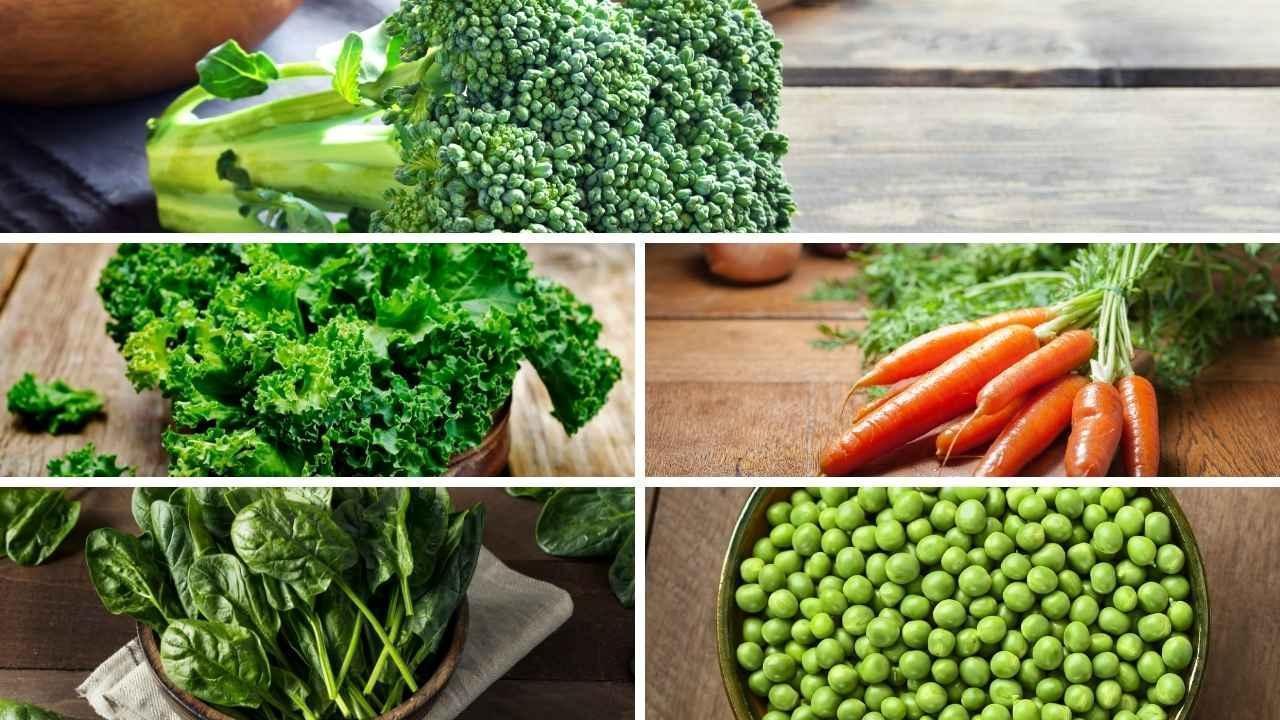
Vegetables deliver concentrated nutrition that supports the body, protects the heart and sharpens the mind. While all vegetables offer benefits, some are especially rich in vitamins and minerals and are commonly called "power greens." These provide significant health value even in small servings.
This guide outlines the top power greens, explains their key benefits and suggests simple ways to make them part of your routine. Eating more vegetables is not just about volume — it is about choosing the most nutrient-rich options to keep your body resilient and energetic.
Why Vegetables Matter
Making vegetables a daily habit is one of the most effective steps toward better health. Medical experts and dietitians agree that a diet rich in vegetables can help:
-
Reduce high blood pressure
-
Support cardiovascular health
-
Help regulate blood sugar
-
Improve digestive function
-
Offer protection against some cancers
Vegetables are a key source of fibre, potassium, folate (vitamin B9), vitamin A and vitamin C — nutrients that support growth, activity and immune defence.
Certain vegetables pack more nutrients per calorie and are considered nutrient-dense — the true "power greens" to prioritise in daily meals.
Top Power Greens to Include Regularly
1. Spinach — A Nutrient-Rich Staple
Spinach stands out for its high levels of vitamin K, vitamin A, iron and magnesium while remaining low in calories. A single cup of raw leaves supplies a meaningful boost of several essential nutrients.
Health highlights:
-
Supports bone and muscle health
-
Contributes to healthy eyesight
-
Strengthens immune response
-
Helps maintain cardiovascular function
💡 Note: Stir spinach into eggs, smoothies or light sautés. Brief steaming can increase nutrient availability.
2. Kale — A Dense Source of Antioxidants
Kale is widely recognised for its concentrated vitamins and antioxidants, including vitamins A, C and K, plus calcium and iron.
Health highlights:
Alternatives such as Swiss chard and beet leaves also provide strong nutrient profiles comparable to kale.
3. Broccoli — A Protective Cruciferous Veg
Broccoli is rich in vitamin C, vitamin K and fibre, and belongs to the cruciferous family noted for compounds that may support disease prevention.
Health highlights:
-
May lower risk for some cancers
-
Supports healthy digestion
-
Helps maintain immune health
-
Contributes to slower ageing of cells
💡 Note: Roast or steam broccoli to keep its texture and nutrients; overboiling can reduce vitamin C content.
4. Carrots — Rich in Beta‑Carotene
Carrots owe their orange colour to beta‑carotene, which the body converts into vitamin A — essential for vision and healthy skin.
Health highlights:
-
Supports eye health
-
Boosts immune function
-
Supports skin health
Carrots are versatile: eat them raw, add to salads or soups, or roast for a natural sweetness.
5. Green Peas — Compact and Nourishing
Small but nutrient-dense, green peas deliver protein, fibre and iron, making them useful in plant-forward diets.
Health highlights:
-
Aid muscle repair and sustain energy
-
Support healthy digestion
-
Provide steady, long-lasting energy
Peas are easy to add to rice dishes, pastas and stews or to serve alongside grains.
What Defines a Truly Healthy Vegetable?
Top vegetables share a few clear attributes:
-
High nutrient density: Many vitamins and minerals for relatively few calories.
-
Antioxidant-rich: Help protect cells from damage.
-
Versatile: Easy to include in salads, soups, smoothies or cooked dishes.
-
Good for digestion: Fibre that supports gut function and cholesterol control.
Research highlights vegetables such as watercress, Chinese cabbage, kale and spinach among the most nutrient-rich globally.
Easy Ways to Add Power Greens to Meals
Integrating these vegetables into everyday meals is simple. Try these practical suggestions:
-
Morning: Blend spinach or kale into smoothies or fold into scrambled eggs.
-
Lunch: Add broccoli or peas to grain bowls, salads or soups.
-
Dinner: Include carrots and leafy greens in curries or stir-fries.
-
Snacks: Raw carrot or cucumber pieces with hummus make a healthy, crunchy option.
💡 Tip: Light cooking methods such as steaming or quick sautés often improve nutrient absorption versus always eating vegetables raw.
Why Variety Beats a Single Choice
Relying on one favourite vegetable cannot supply every nutrient the body needs. Aim for a balance of leafy greens, roots and cruciferous vegetables for broad nutritional coverage.
For example:
-
Carrots provide vitamin A
-
Spinach supplies iron and magnesium
-
Broccoli delivers fibre and vitamin C
-
Peas offer protein and sustained energy
Combined, these vegetables help cover the nutrients your body needs to stay balanced and strong.
Practical Tips for Daily Nutrition
-
Avoid overcooking: Excessive heat reduces vitamin content — cook until tender but not mushy.
-
Choose colourful produce: Different colours provide varied nutrients.
-
Select fresh and seasonal: Local, in-season vegetables often taste better and retain more nutrients.
-
Portion wisely: Aim to fill about half your plate with vegetables.
-
Use less oil: Light cooking preserves nutrients and keeps meals lean.
The most beneficial vegetables are not necessarily rare or costly — regular choices like spinach, kale, broccoli, carrots, and peas are widely available and highly nutritious.
The key is consistent variety: combine, experiment with recipes and make vegetables a primary component of meals rather than an afterthought.
Do this regularly and you are likely to notice better energy levels, a stronger immune system, healthier skin and overall improved wellbeing.
Quick Summary
| Vegetable |
Main Nutrients |
Top Benefits |
| Spinach |
Iron, Vitamin A, K |
Bone health, better vision |
| Kale |
Calcium, Vitamin C |
Detox support, skin health |
| Broccoli |
Fibre, Vitamin C |
Digestion, immune support |
| Carrots |
Beta-carotene |
Eye and skin protection |
| Green Peas |
Protein, Iron |
Energy, muscle repair |
Disclaimer
This article is provided for informational and educational purposes only. Information is based on reputable nutrition and medical sources. The writer does not own any scientific data, images or trademarks referenced. This is not medical advice — consult a qualified doctor or dietitian before making major diet or lifestyle changes.


 English