Post by : Anis
Al-Rashid
Women’s health is broadening beyond past narrow frames. In 2025 the sector covers hormone management, energy and recovery, midlife strength, digital tracking and tailored care models rather than only reproductive or cosmetic issues.
The one-size-fits-all approach is giving way to interventions aligned with different life stages and personal goals. Issues from chronic tiredness to cycle symptoms, menopause, mental resilience and functional fitness are now central to how women manage wellbeing.
This report outlines the main developments reshaping women’s wellness in 2025, explains the forces behind them, notes recent product and service shifts, and suggests practical angles for readers and communicators to consider.
What Is Driving the Change?
Multiple factors are combining to redraw the women’s wellness landscape:
-
Greater biological variability and life stages. Women are living longer and experiencing clearly defined phases—puberty, fertility, parenthood, perimenopause, menopause and later life—each with distinct needs.
-
Research visibility. Longstanding gaps in female-specific studies are being exposed and debated, prompting calls for more focused investment and inquiry.
-
Femtech and monitoring tools. Wearables, apps and diagnostics are enabling personalised measurement and management that reflect female physiology.
-
Broader wellness framing. Women's health now intersects fitness, nutrition, sleep, mental health and recovery within a lifestyle-first outlook.
-
Consumer demand for evidence and relevance. Women increasingly seek transparent, effective solutions tuned to their priorities such as energy, resilience and functional capability.
-
Community influence and social media. Peer networks and platforms accelerate new topics—fatigue, hormone optimisation, strength work—bringing them into mainstream discussion.
Core Trend Areas in Women’s Wellness for†2025
Key focus areas gaining momentum this year include:
1. Energy & Fatigue Management Takes Centre Stage
Energy and chronic fatigue have risen in importance, displacing aesthetic‑led goals for many women. A growing share prioritises sustaining daily stamina over appearance‑driven outcomes.
Practical responses from the market include short recovery protocols, targeted midday strategies, adaptogenic supplements and lifestyle plans emphasising resilience rather than restriction.
2. Hormonal Health & Life‑Stage Specific Care
Hormones are now discussed across the full lifespan: menstrual health, fertility, perimenopause and beyond. Consequences include:
-
Heightened awareness of past neglect in female-focused research.
-
Growth of peer-led support and specialist community resources for hormone-related concerns.
-
New non-invasive monitoring and algorithms aimed at cycle and hormone patterns.
The shift reframes the question from fitting women into male-centric models to designing care around women’s own biology and changing needs.
3. Strength, Functionality & Midlife Well‑being
Fitness priorities are moving toward strength, bone health and functional mobility, especially for women approaching or in midlife. Many now aim to build and preserve capability rather than merely reduce size.
Midlife is increasingly seen as an active phase where targeted nutrition, movement and recovery support long-term health rather than an endpoint.
4. Personalised Wellness & Tech‑Enabled Monitoring
Personalisation is now expected: devices and apps track sleep, cycles, recovery and stress with protocols tailored to female physiology. Users also demand clearer data governance and proof of effectiveness.
Femtech is expanding quickly, but privacy and ethical use of reproductive data remain key concerns.
5. Holistic Wellness: Beyond Body, Into Mind & Recovery
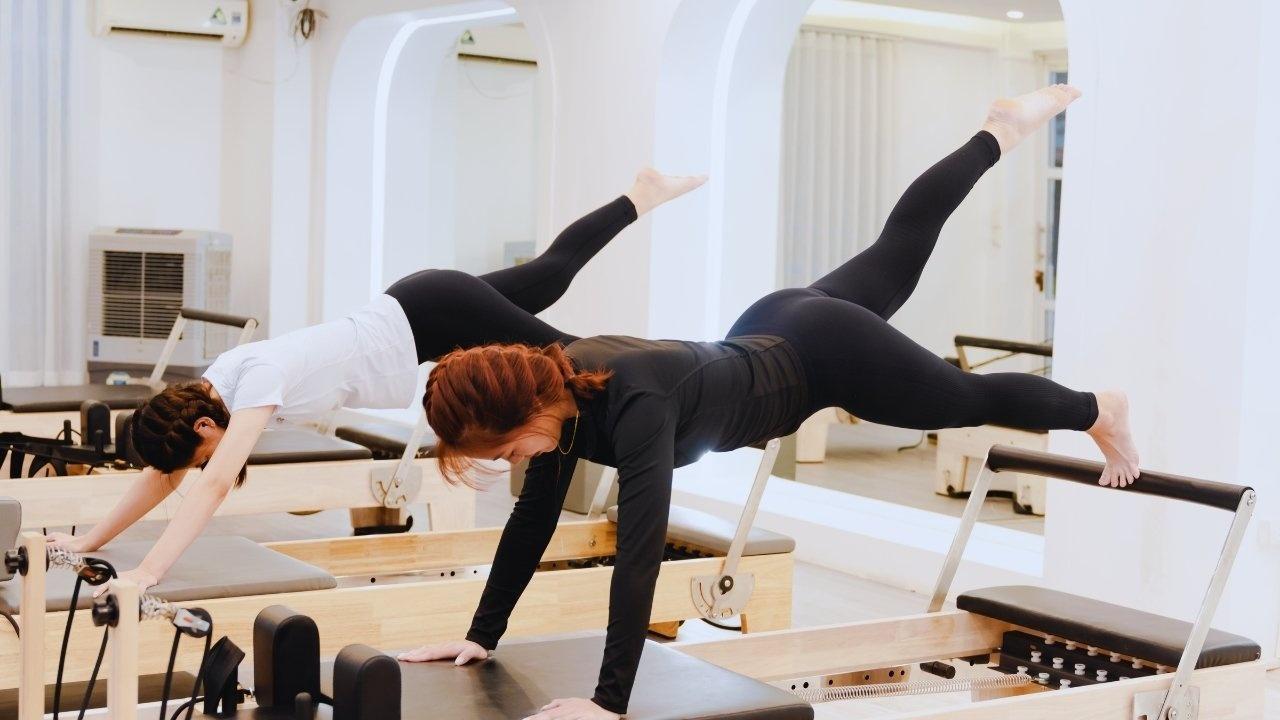
Emotional resilience, restorative sleep and recovery practices are central. Women favour lower‑impact, restorative activities—Pilates, mindful strength and nature‑based therapies—that support nervous system balance and reduce burnout.
Recovery is treated as an active plan—strategies to support sleep, stress regulation and cycle‑aligned routines are now mainstream.
6. Nutrition & Functional Foods: Supporting Women’s Unique Needs
Nutrition choices emphasise function—supporting hormones, bones, energy and muscle—using protein, fibre, collagen and probiotics. Messaging shifts from restriction to meeting specific physiological needs.
Diet recommendations increasingly focus on supporting daily performance and long‑term health rather than short‑term weight loss.
What’s New This Year
-
Products addressing sleep disruption linked to hot flashes and cycle changes have entered the market.
-
Non-clinical support networks and hubs for hormone and midlife issues are expanding rapidly.
-
Femtech ventures are developing AI-driven, non-invasive diagnostics and near-real-time feedback tools.
-
Nutrition trends prioritise sustained energy and recovery rather than calorie-cutting approaches.
-
Marketing is pivoting from thinness ideals to themes of strength, energy and autonomy.
-
Regulatory and ethical scrutiny of cycle-tracking and data handling is growing among users and policymakers.
Why the Shift Matters — For Women & Writers
For women, the changes mean more options suited to their life stage, improved ability to make informed choices and a broader view of health that includes strength and function as key outcomes.
For content creators, the landscape offers substantive angles: cycle-aware programmes, strength training for older adults, sleep solutions for menopausal women and critical coverage of femtech practices.
Challenges & Gaps Ahead
Notable obstacles remain:
-
Research funding and studies focusing on female-specific conditions are still insufficient.
-
Many tailored services are costly and concentrated in wealthier urban areas, limiting access.
-
Data privacy for cycle and reproductive tracking lacks consistent protections.
-
Weight-focused cultural pressures continue despite a shift toward functionality.
-
Some new products and claims outpace the evidence base, requiring critical consumer literacy.
What Women (and Readers) Can Do
Practical steps to engage with these trends include:
-
Establish a personal baseline: Identify your current life stage and main wellness priorities—energy, sleep, strength or hormone support.
-
Ask focused questions: Replace general health goals with specific, day-to-day aims like maintaining energy through work or improving sleep in midlife.
-
Use technology selectively: Rely on tracking tools that respect privacy and add actionable insight rather than data for its own sake.
-
Prioritise recovery: Treat sleep, nervous-system care and cycle-aware breaks as core to wellbeing.
-
Build strength and function: Incorporate resistance, mobility and practical movement—especially during midlife.
-
Focus nutrition on function: Choose foods and supplements that support energy, muscle and bone health over restrictive dieting.
-
Be critical of claims: Seek evidence, examine funding sources and assess whether products and services are inclusive.
A Look Ahead
Expected developments include deeper integration of female-specific data into consumer tech, broader access across demographics, tighter links between consumer tools and clinical care, stronger midlife-focused offerings and improved regulation of femtech data and claims.
Conclusion
In 2025 women’s wellness is more prominent and more sophisticated. Emphasis has moved from narrow aesthetic aims to sustaining energy, managing hormones, building strength and using personalised technology responsibly.
The result for women is better-tailored care and greater control; for journalists and health communicators it presents opportunities to cover more substantive, evidence-based stories about half the population’s wellbeing.
The prevailing narrative is shifting toward capability and resilience: supporting women to live with strength, energy and agency across life stages.
Disclaimer:
This article is informational and editorial in nature. It does not provide medical, nutritional or therapeutic advice. Readers should consult qualified professionals for personal health decisions.


 English