Post by : Anis
Al-Rashid
A Shift Towards Recovery
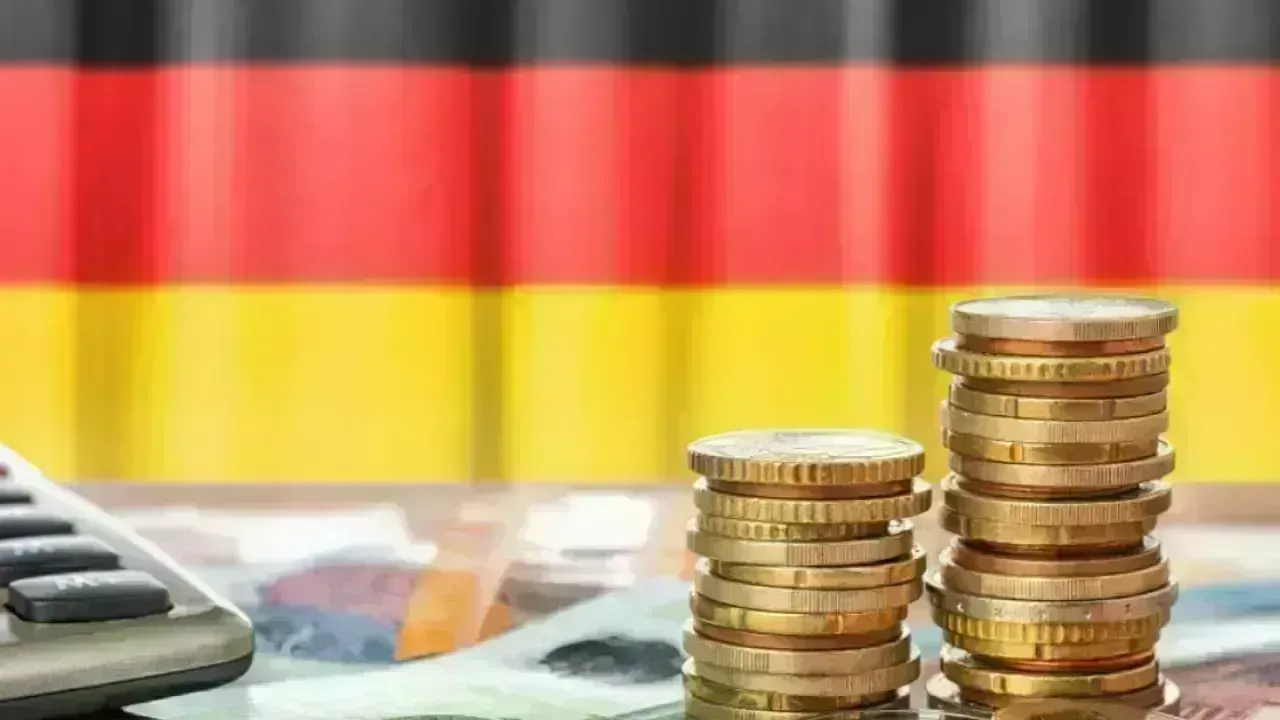
Germany’s economy, often regarded as the backbone of Europe, finally achieved growth in 2025 after two years of decline. Official figures released in January 2026 reveal that the nation’s gross domestic product (GDP) rose by 0.2 per cent, marking the end of a significant contraction period. This modest increase is crucial for a country facing various economic challenges, including declining exports and a sluggish industrial landscape.
The growth is seen as tentative—indicating stabilization rather than a strong recovery. Behind this modest uptick are strategic economic shifts and ongoing policy discussions that shape Germany's recent economic standing. This article will explore the elements influencing this rebound, including consumer behavior, government spending, and international trade aspects.
Germany's Economic Decline
Transition from Decline to Growth
Following consecutive contractions in 2023 and 2024, marking the end of nearly two decades of growth, Germany's economy faced significant hurdles. Analysis indicates a GDP decline of 0.9 per cent in 2023 and 0.5 per cent in 2024 due to external pressures and internal challenges affecting key sectors. In contrast, the 0.2 per cent growth in 2025 signifies a slow yet impactful turnaround.
This downturn stemmed from numerous factors: a global energy crisis driven by geopolitical tensions, tariff actions affecting major trade partners like the United States, and fierce competition from Chinese markets. These issues particularly impacted Germany’s export-driven industrial sector, prompting policymakers to reassess their strategies.
Challenges Behind Growth
Germany's economic stagnation revealed long-standing vulnerabilities that were previously hidden by export strength. The economy's heavy reliance on manufacturing and engineering—important sectors like automotive and machinery—faced challenges as global demand shifted. Increasing protectionism, a stronger euro impacting export prices, and enhanced competition from China contributed to falling export figures.
Domestically, investment failed to meet expectations due to burdensome regulation and a cautious corporate outlook, leading to reduced capital expenditure in crucial sectors.
Drivers of Growth in 2025: Household Consumption and Government Intervention
Consumers Step Up
A key factor in 2025’s growth was a rebound in household consumption. Increased domestic spending was aided by policies designed to improve real incomes and alleviate labor market stagnation. Consumers, previously hesitant due to inflationary worries, began making discretionary purchases, thus compensating for weak international demand.
This development is notable as historically, German GDP has been export-led. This recent rise in household consumption indicates a shift towards a more stable economic structure that doesn't rely solely on global trade.
Government Stimulus Efforts
The federal government also made substantial contributions to this recovery. In response to the enduring economic downturn, policymakers initiated a significant fiscal stimulus package. Investments in infrastructure, defense, and targeted subsidies aimed at boosting productivity were critical in supporting economic demand. These government expenditures, alongside increased household consumption, played a crucial role in the GDP uptick.
This policy shift signals a significant change in Germany’s traditional approach to fiscal management, allowing more room for extensive governmental spending to stimulate economic growth.
Trade and Investment: Areas Requiring Improvement
Struggles in Exports
Despite the overall economic growth, German exports continued to face challenges in 2025. A persisting decline in export volumes indicates ongoing issues related to tariff impacts and competitive pressures. Higher tariffs from the U.S. and increasing competition from China have significantly affected key manufacturing sectors.
While some sectors show early signs of recovery, such as car manufacturing, export orders failed to showcase a corresponding rise in global demand, raising concerns about Germany’s trade balance.
Investment Hesitations
Investment trends have lagged behind both household consumption and government spending in 2025. Declines in capital formation suggest that businesses remained uncertain about future demand, leading to a reluctance to invest in long-term growth strategies. This indicates that while consumption and public spending averted a recession, the private sector continues to feel hesitant.
Experts warn that without a significant increase in business investment, long-term growth prospects could remain limited due to structural inefficiencies.
Enduring Structural Challenges
Challenges in Industry Remain
Even with the modest growth in 2025, Germany must confront various structural challenges, including an aging workforce and skill shortages. Many small and medium-sized enterprises (SMEs) suffered declines in sales, reiterating that simple fiscal stimuli cannot adequately tackle deeper-rooted issues.
Particularly in the automotive sector, companies are grappling with falling demand in significant markets such as the United States and China, alongside competitive shifts toward electric vehicle production.
Bankruptcy Concerns
A rising number of corporate bankruptcies indicates heightened economic vulnerabilities. Business groups reported the highest insolvency rates in over a decade, showcasing the strain that extended economic pressure is placing on various sectors. These bankruptcies underline that while GDP growth may suggest a recovery, underlying issues such as firm financial distress need urgent attention.
This trend emphasizes that structural obstacles and competitive disadvantages pose long-term challenges that Germany must address to ensure lasting economic health.
Political and Policy Context Changes
Shifts in Fiscal Policy
The German political scene has evolved as leaders respond to ongoing economic struggles, leading to new fiscal policy decisions directed at stimulating recovery. A reform exempting specific spending from fiscal restrictions illustrates a move toward prioritizing economic growth over previous budget constraints.
By relaxing strict borrowing rules, the government has exhibited a commitment to strengthening the economy, marking a significant shift from long-standing fiscal discipline approaches.
Future Outlook: Growth Projections
Expectations for 2026 and Beyond
The 2025 growth figures suggest cautious optimism, with projections indicating GDP growth may exceed 1 per cent in 2026 as public spending continues and consumer confidence stabilizes.
Forecasts from economic monitoring institutions assert that while export performance may remain a concern, domestic demand drivers, alongside increased public investment, should help maintain positive economic momentum.
Path to Sustainable Recovery
To achieve substantial growth, Germany must focus on enhancing labor market flexibility, simplifying regulations for investment, and driving innovation in emerging tech sectors. Strengthening export competitiveness through diversification is also key to counteracting global competition.
Summarizing the Current Economic Landscape
Germany’s return to growth in 2025 marks a significant milestone, indicating a potential end to the long recession affecting Europe’s largest economy. The 0.2 per cent GDP increase illustrates an economy beginning to stabilize following years of decline.
However, lingering export challenges and structural issues signify that recovery remains fragile. The recent growth should be seen not as a definitive turnaround but as a base for a more robust economic future.
With careful policy formulation and structural reforms, along with renewed business confidence, growth in Germany could witness a meaningful resurgence in the years to come. However, the road from stagnation to solid growth is still fraught with uncertainties and necessitates addressing deep-seated challenges.
Disclaimer:
This article provides an analytical overview based on verified information from numerous reputable sources regarding Germany’s economic performance in 2025 and its implications. It is intended for informative purposes and does not constitute professional financial or investment advice.


 English