Post by : Sami
Al-Rahmani
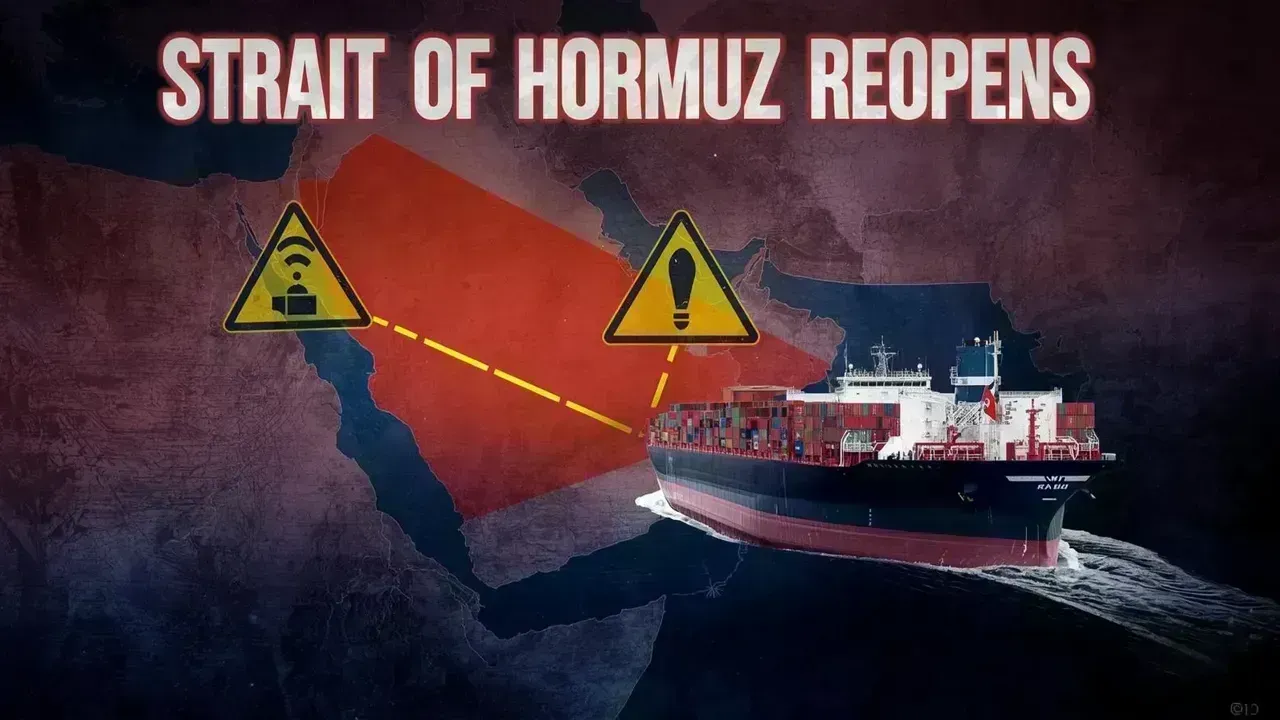
Iran Reopens the Strait of Hormuz with New Regulations Impacting Global Trade
A cautious reopening with conditions
The announcement from Iran regarding the reopening of the Strait of Hormuz has garnered significant attention globally. While at first glance it seems beneficial for international trade and energy flows, it actually incorporates stringent new regulations that alter the dynamics of this crucial maritime passage.
Countries that rely heavily on oil imports, such as India, are immediately affected by developments in this area. The Strait of Hormuz stands as a crucial chokepoint in the global energy supply chain, where nearly 20% of the world’s oil is transported, connecting major oil producers in the Persian Gulf to international markets.
Thus, although the strait may be officially “open,” the accompanying regulations render the situation far from usual.
The Crucial Role of the Strait of Hormuz
To truly grasp the implications of this news, one must understand the significance of the Strait of Hormuz.
This narrow passageway links the Persian Gulf to the Gulf of Oman and subsequently to international waters. Nations such as Saudi Arabia, the UAE, Kuwait, and Iraq depend on this route for oil exports. Disruptions in this area can profoundly impact global supply chains, fuel prices, and economic stability.
Even short-term restrictions can lead to:
- Increased oil prices
- Higher shipping costs
- Market instability
The stability of this passage is vital for economies globally.
Motives Behind the Reopening
Recent weeks have seen increased tensions that raised concerns over the safety of maritime routes, leading to uncertainty among global shipping firms. Iran’s decision to reopen the strait appears as part of a broader strategy to decrease tensions and resume commercial activities. However, this approach does not signify a complete restoration to normal operations; rather, it involves a managed system where Iran retains substantial control over maritime movement.
New Rule 1: Pre-approval Required for Entry
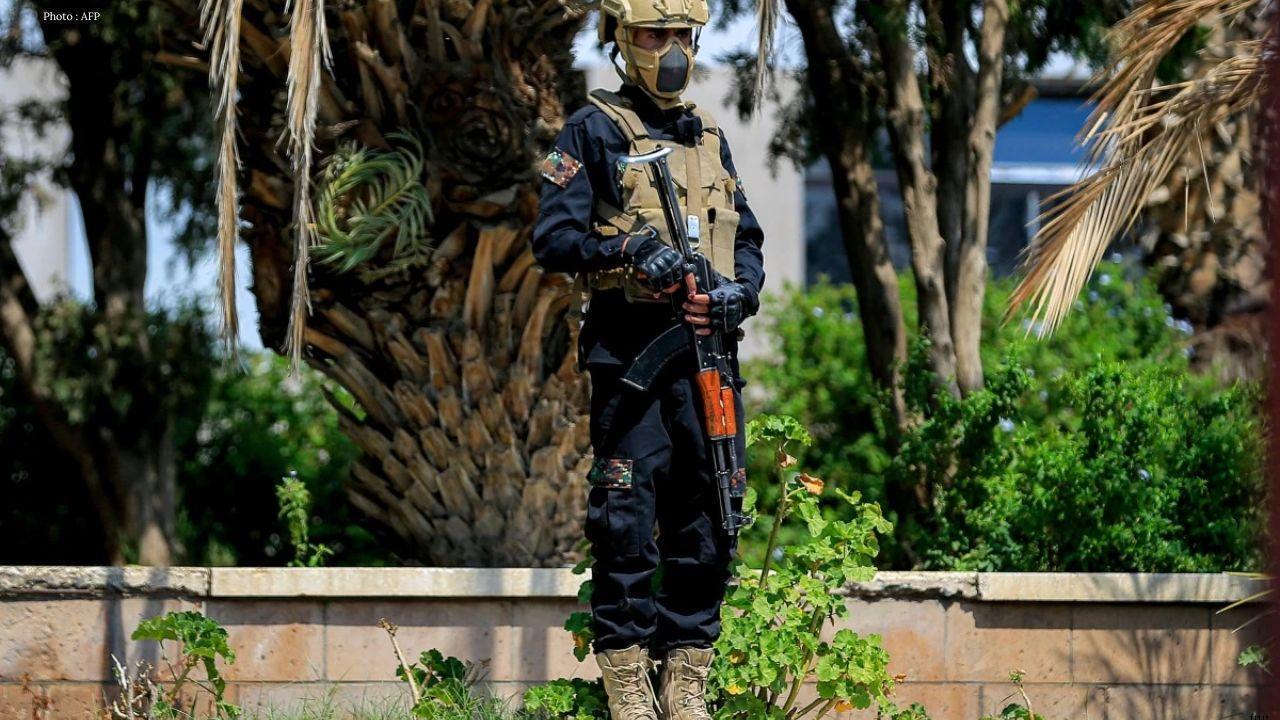
A critical change is that maritime vessels must now secure prior approval from Iranian authorities before entering the strait. This process is managed by forces affiliated with the Islamic Revolutionary Guard Corps, responsible for overseeing the area.
This rule effectively transfers control of the strait back to Iran, changing it from a generally open international waterway to one with conditions for access, leading to potential delays in schedules.
New Rule 2: Designated Navigation Routes
Ships are now mandated to adhere to specific navigation routes established by Iranian authorities, which limits their operational flexibility. Instead of choosing the most efficient route, vessels must now:
- Conform to designated pathways
- Steer clear of restricted areas
- Follow provided navigation directives
This measure not only enhances safety but also showcases increased monitoring capabilities. Some shipping companies have already expressed caution, with reports indicating that some vessels are delaying their journeys.
New Rule 3: Constant Communication with Authorities
Ships are now required to maintain ongoing contact with Iranian maritime authorities during their transit, which entails:
- Real-time vessel tracking
- Regular updates throughout the journey
- Adherence to authority instructions
While this may improve oversight, it also diminishes the autonomy of international shipping operations, introducing new procedures that could impact operational efficiency and costs.
New Rule 4: Specialized Restrictions
Although the reopening mainly pertains to commercial vessels, scrutiny will remain high. Military ships and certain flagged vessels may encounter stricter limitations or conditions for access.
Iran has suggested that the regulatory landscape may shift based on geopolitical dynamics, which means restrictions could be re-imposed if tensions escalate.
Global Shipping and Oil Markets' Response
The response to these developments has been measured rather than exuberant. Although some vessels have resumed operations, overall traffic remains lower than usual. Shipping companies are prudently weighing risks prior to committing to routes through the strait.
Oil markets also display sensitivity to these developments, and even mere potential disruptions can influence trading prices as they prepare for possible supply challenges.
Implications for India and Worldwide Economies
For nations like India that rely heavily on oil imports, movements in the Strait of Hormuz are closely monitored.
Any disruptions can:
- Propel fuel costs upwards
- Disturb logistics and transport
- Influence overarching economic conditions
Other nations dependent on energy imports might face similar hurdles, inciting a ripple effect felt across the globe.
Is the Strait Truly Open or Just Highly Regulated?
This pivotal inquiry resonates among analysts.
While Iran has declared the strait open, the attached regulations suggest a different narrative. Instead of a free-flowing international passage, it resembles a controlled channel. Access is permissible, but under particular rules and surveillance.
Future Developments in the Region
The fate of the Strait of Hormuz hinges on geopolitical stability.
If tensions diminish, restrictions may ease, potentially returning operations to a state of normalcy. Conversely, if conflicts intensify, conditions could swiftly become more stringent.
This persistent uncertainty suggests that global markets will continue to track developments closely.
A Cautiously Controlled Reopening
Iran’s choice to reinitiate transit through the Strait of Hormuz marks a noteworthy moment, albeit with conspicuous limitations.
The implementation of new regulations signifies that while access has been resumed, control remains tight. For international trade and energy markets, this establishes a framework that is stable but not entirely secure.
Grasping these changes is vital for all who study international affairs, as the ramifications of this region extend far beyond its geographical confines.
Disclaimer
This article serves a purely informational purpose and draws from recent news reports and available updates. Rapid changes may occur due to evolving geopolitical conditions.


 English