Post by : Anis
Al-Rashid
As urban landscapes evolve, high-rise buildings emerge as beacons of progress, promising stunning views and modern amenities for many. However, a pressing question arises: Do these towering structures nurture community spirit, or do they cultivate isolation among their inhabitants?
With soaring populations and diminishing land availability, cities from Dubai to New York have turned to high-rises as a solution. But how does this affect social dynamics? This piece explores the intricate psychological implications and unique experiences of those living in these vertical homes.
The Emergence of High-Rise Living
High-rises symbolize resilience against urban challenges by maximizing limited ground space. These dwellings provide much-needed housing solutions, with convenient access to workplaces and diverse facilities—from gyms to shops.
Over recent years, the outline of our cities has dramatically changed, with high-rise living becoming synonymous with aspirations and socio-economic progress, yet it raises fears of diminishing traditional community values.
Is Community Vitality a Mirage?
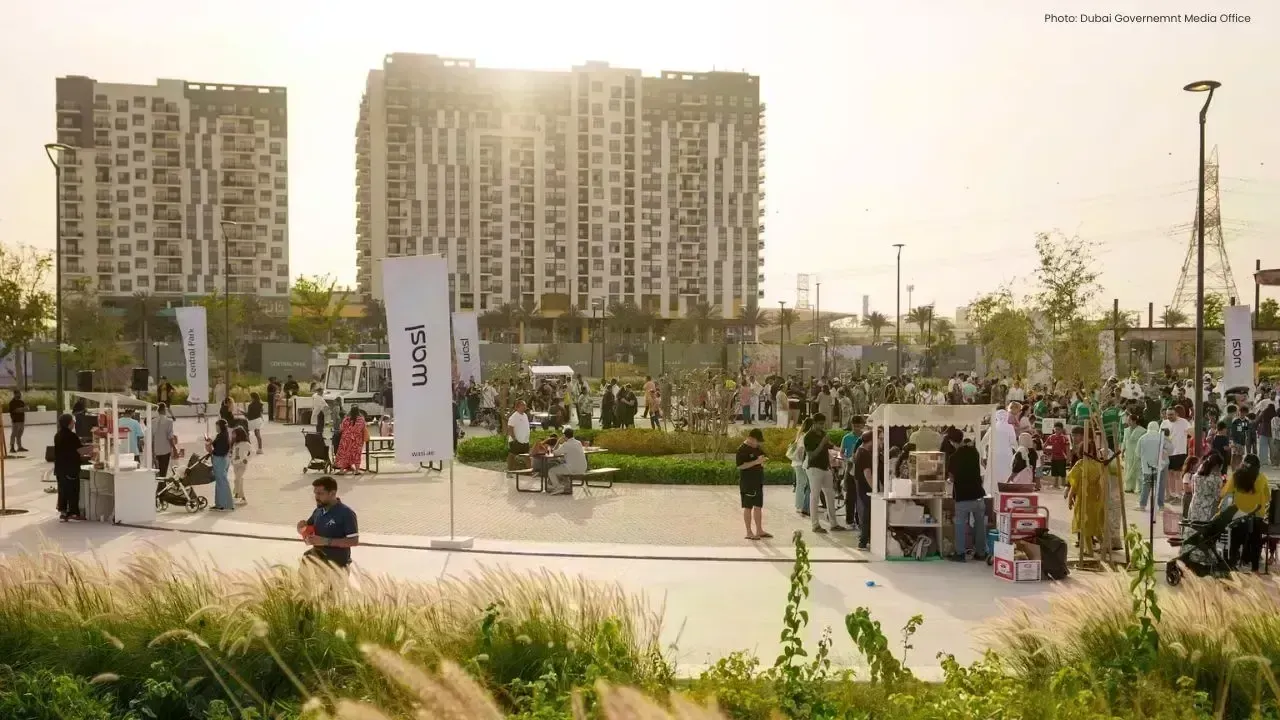
Urban planners frequently commend high-rise living as the modern equivalent of community. Many of these developments boast gardens, clubhouses, and social events, but the reality can often contradict this vision.
Discussions with residents in cities such as Toronto, Bengaluru, and Hong Kong indicate a recurring theme: shared spaces often exist but genuine relationships can be scarce. Fellow residents may share elevator rides yet remain unknown acquaintances for extended periods.
The Isolation of Vertical Living
Encounters in Elevators
For many high-rise inhabitants, daily routines evoke a sense of solitude. They venture from quiet apartments into muted halls, travel in silent elevators, and often overlook opportunities for meaningful interactions.
Barriers to Connectivity
Several factors contribute to this isolation:
-
Scarcity of Shared Spaces: Amenities may be abundant, but staggered usage diminishes chances for spontaneous encounters.
-
Noisy Neighbors: Fear of disturbances often deter residents from social gatherings.
-
Privacy Concerns: Many seek out high-rise living precisely for the privacy it affords, which can inadvertently impede community bonding.
The Emotional Toll of High-Rise Living
Research indicates that those residing on higher floors may experience heightened feelings of loneliness compared to their lower-floor counterparts.
The Challenge of Engagement
Unlike traditional neighborhoods, where neighbors are just doorsteps apart, high-rises create emotionally and physically imposing barriers. Multi-story distances can often thwart spontaneous interactions.
Children and Seniors: Parallel Lives
Today's children often play in common areas under supervision instead of yards, while elderly residents may struggle to navigate their vertical environments, leading to feelings of disconnection.
Virtual Connections in a Physical World
Many high-rise buildings establish WhatsApp groups, facilitating communication but often lacking depth in fostering actual relationships. A large complex filled with isolated families lacks the connection offered by conventional neighborhoods.
Can Design Foster Community?
Not all high-rises are alike; innovative architects are rethinking designs to promote social bonds.
Creating Open Spaces
By incorporating gardens, lounges, and roomier corridors, enhanced designs can encourage casual interactions essential for community building.
Mixed-Use Developments
Buildings that combine living, retail, and service spaces can produce lively environments, promoting interactions akin to those of bustling towns.
Fostering Trust Through Transparency
Common spaces near elevators and inviting lobbies can gently encourage neighbors to stop and connect.
Lessons from the Pandemic
The COVID-19 crisis highlighted these issues of isolation. For many, the confinement of apartments turned previously avoided corridors into vital channels for connection, demonstrating how essential social ties can form, even under challenging circumstances.
Case Study: Building Bonds
An initiative in Delhi brought residents together through a “doorstep dinner club” where neighbors exchanged meals weekly, fostering lasting friendships and creating a sense of belonging.
Is Lower Living Less Lonely?
Surveys suggest that residents of lower floors, who have more access to communal areas, report greater satisfaction with neighborly interactions compared to those residing higher up.
Finding Solace and Safety
While critics raise concerns about high-rise living, many value the privacy and safety these environments offer. Individuals and families prefer the distance from nosey neighbors, finding solace in modern security measures.
Potential Solutions for Connection
If high-rises are the answer to urban housing concerns, what can be done to mitigate feelings of loneliness?
Management Initiatives:
-
Organizing regular events and classes.
-
Community gardening projects.
-
Transparent management arrangements.
Resident Actions:
-
Host local meet-and-greets to welcome newcomers.
-
Organize social gatherings in shared spaces.
-
Initiate hobbies and resource-sharing events.
Design Changes:
Final Thoughts
The discourse surrounding high-rise living and isolation is complex, highlighting both anonymity and community potential. The effectiveness of these structures hinges on thoughtful design and proactive management, alongside a commitment from the residents themselves.
Ultimately, the dynamics of community in high-rises will depend on individuals willing to reach out and engage more meaningfully with their neighbors.
Disclaimer:
This article serves to inform and educate; it is not a substitute for professional psychological or architectural advice. Experiences can vary widely based on multiple factors.


 English