Post by : Mikhael
Al-Saeed
How Many Calories Should You Eat Each Day? Clear Expert Guidance
Counting calories is common, but the right daily amount varies widely. Specialists say your ideal intake depends on factors such as age, sex, body size, physical activity and health objectives. Too few calories can sap energy; too many can cause weight gain and health risks. The aim is to fuel your body appropriately for daily function and long‑term wellbeing.
1. What Calories Are and Why They Count
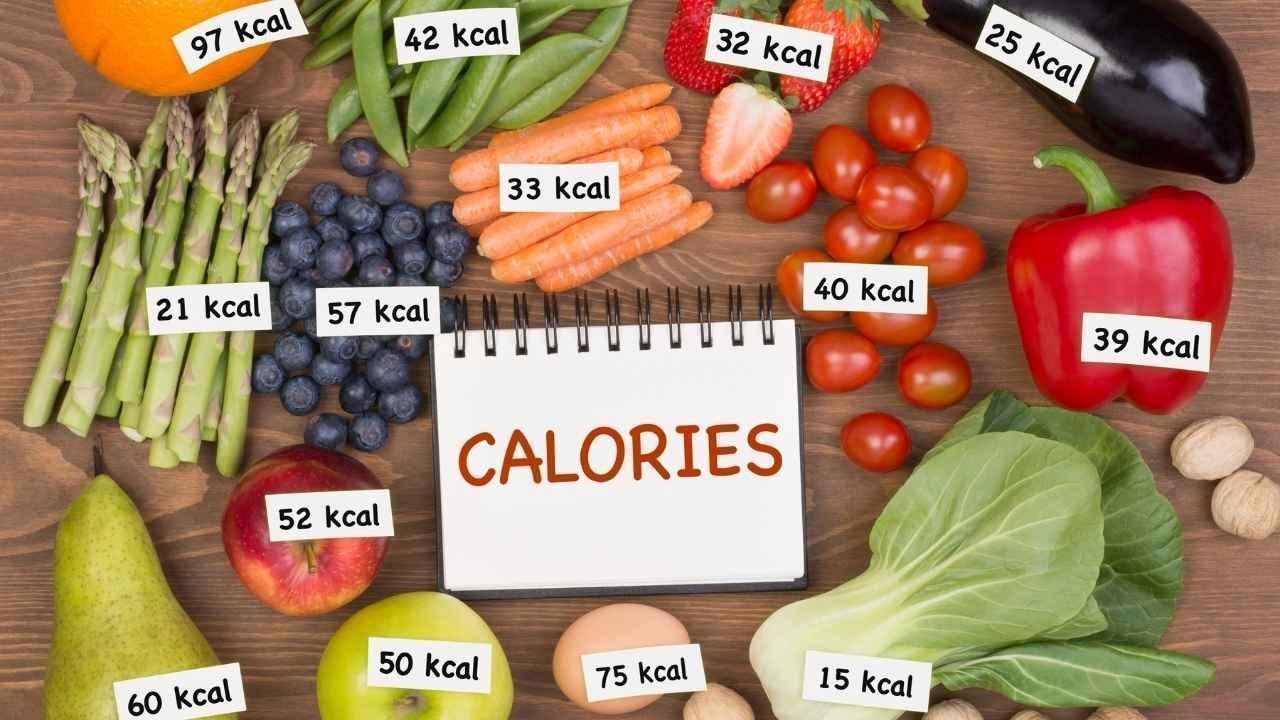
Calories measure the energy your body needs to perform every task, from resting functions to exercise. Food and drink supply that energy.
When calorie intake exceeds expenditure, the surplus is stored as fat. If you consume fewer calories than you burn, your body draws on stored energy. Severe calorie restriction, however, can damage metabolism and overall health.
Maintaining adequate intake keeps you energetic and nourished.
2. Typical Daily Calorie Ranges
Common guidance from nutrition professionals:
-
Women: 1,800–2,200 calories per day
-
Men: 2,200–2,800 calories per day
But this shifts with lifestyle:
-
Sedentary: Lower calorie needs
-
Moderately active: Moderate needs
-
Very active: Higher needs to support performance
In short:
-
Eating more than you burn → weight gain
-
Eating less than you burn → weight loss
-
Eating roughly equal to expenditure → weight maintenance
3. Key Factors That Change Calorie Requirements
Several elements affect how many calories an individual needs:
-
Age: Metabolic rate tends to decline with age
-
Gender: Men often have higher needs due to greater muscle mass
-
Body size: Larger bodies expend more energy
-
Activity level: More movement increases calorie requirements
-
Goals: Losing, keeping, or building weight alters needs
4. Estimating Your Personal Calorie Need
A practical approach is to calculate your BMR (Basal Metabolic Rate), the calories your body uses at rest.
For Women:
BMR = 655 + (9.6 × weight in kg) + (1.8 × height in cm) – (4.7 × age)
For Men:
BMR = 66 + (13.7 × weight in kg) + (5 × height in cm) – (6.8 × age)
Multiply your BMR by an activity factor to estimate daily needs:
This provides a rough maintenance calorie target.
5. Why Calorie Quality Matters
Not all calories have the same effects. The type of food you eat influences satiety, nutrient intake and health outcomes.
-
Prefer: Fruits, vegetables, whole grains, lean proteins, nuts and seeds
-
Limit: Highly processed items, fried foods, sugary drinks and refined starches
Focusing on nutrient-dense choices helps sustain energy and long-term wellbeing.
6. Signs You May Be Eating Too Little or Too Much
Your body often signals when intake is off.
Signs of under-eating:
Signs of overeating:
Attending to bodily cues can be more informative than following a rigid plan.
7. Practical Tips to Manage Calories
Experts recommend small, sustainable steps to balance intake:
-
Prefer smaller, regular meals rather than skipping eating windows
-
Combine fiber, protein and healthy fats to stay satisfied longer
-
Cut back on sugary and ultra-processed snacks
-
Stay hydrated — thirst can mimic hunger
-
Track meals briefly to spot patterns
-
Avoid extreme dieting — it undermines metabolic health
Healthy eating should support wellbeing without creating undue restriction.
8. Aim for Balance
Calories provide necessary energy. Focus on nutritious choices, regular physical activity and consistency rather than obsessive counting. A varied diet with vegetables, lean proteins and whole grains, paired with movement, helps your body maintain a healthy balance.
Long-term health follows steady, sensible habits rather than short-term strictures.
Disclaimer
This piece is for informational use only and does not substitute professional medical or nutritional counsel. Individual calorie requirements vary by age, health and activity level. Consult a qualified healthcare professional or registered dietitian before making major changes to your diet or lifestyle to ensure they are appropriate for your personal health needs.


 English