Post by : Saif
Al-Najjar
The ongoing conflict in Iran has instigated a significant energy crisis globally, particularly impacting Asia and Africa. With soaring fuel prices and uncertainties in supply, many nations are redirecting their focus to nuclear energy as a sustainable option moving forward.
This conflict has disrupted critical oil transportation routes such as the Strait of Hormuz, a vital channel for global oil trade. Tensions in this area often lead to quick supply disruptions and soaring prices, complicating energy management for numerous countries.
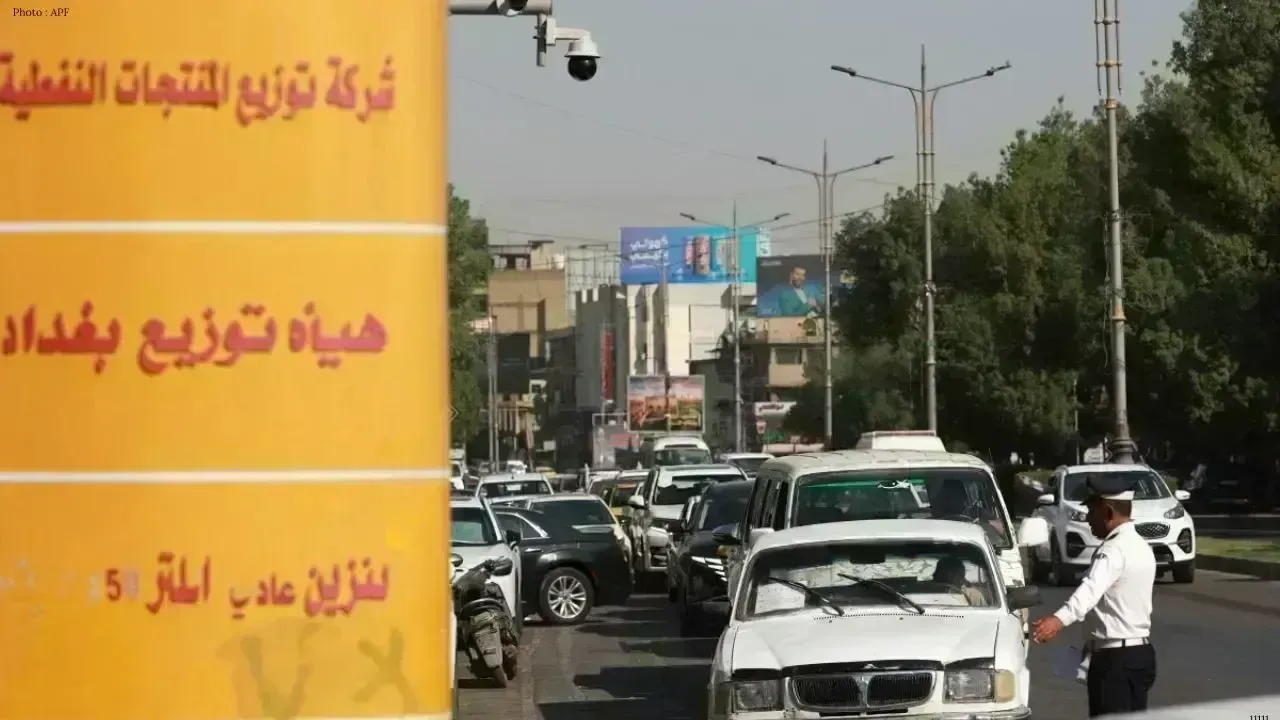
The effects are particularly pronounced in Asia and Africa, regions that are largely reliant on fuel imports. Rising prices impact everything from utility bills to transport expenses, placing pressure on governments to secure stable and affordable energy solutions.
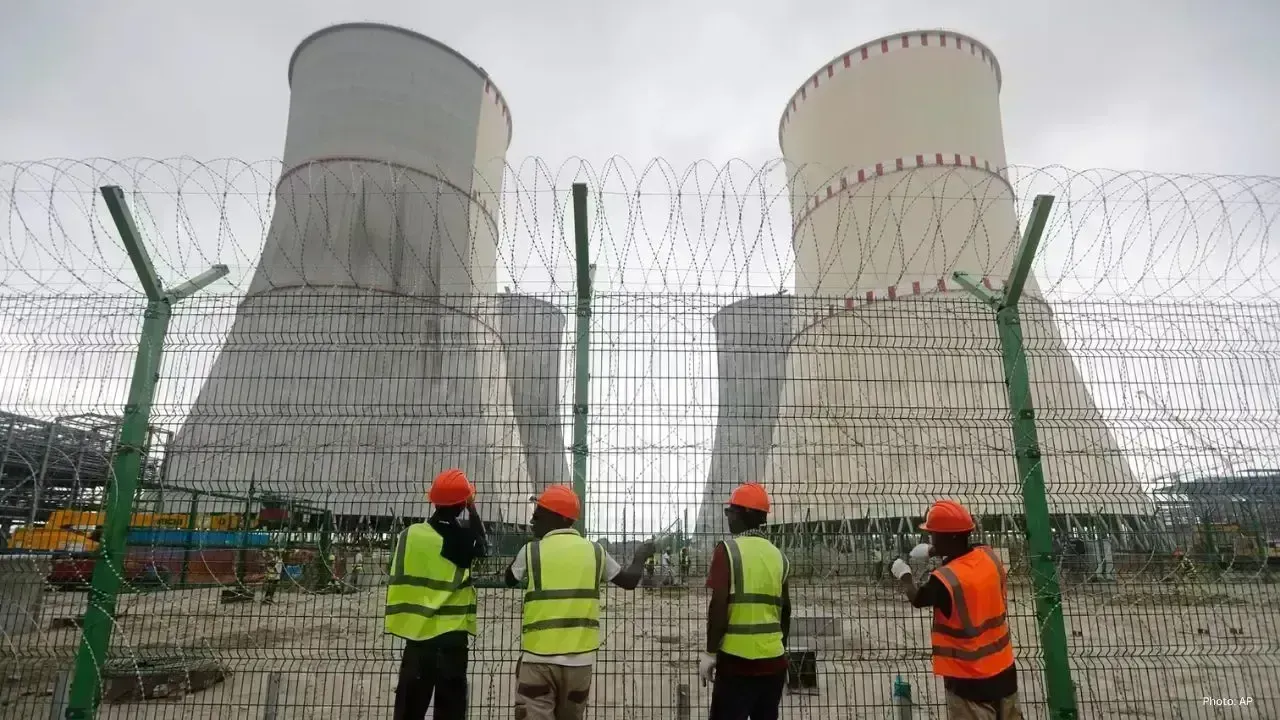
Nuclear power is regaining popularity as a result. Unlike traditional oil and gas, nuclear plants can generate substantial electricity with reduced reliance on imports, appealing to nations seeking energy self-sufficiency.
Countries like India and China are already making strides in nuclear energy and planning expansions. In Africa, nations such as Egypt are advancing nuclear initiatives in an effort to lessen reliance on fossil fuels.
The pivot toward nuclear energy is not solely about increasing supply but also about strategic long-term planning. Governments aim to shield their economies from sudden disruptions related to global conflicts. By investing in nuclear power, they hope to lay the foundation for a more resilient energy framework.
However, nuclear energy does present challenges. Establishing nuclear facilities is costly and drawn-out, with safety and waste management being significant concerns. Previous accidents have fueled public hesitance towards nuclear power.
Despite these fears, the current energy emergency urges nations to reconsider their perspectives. While renewable energies like solar and wind are being pursued, they may not suffice alone. Nuclear energy is increasingly viewed as a dependable partner to bolster these renewable sources.
The global landscape illustrates the close relationship between energy supply and geopolitics. Conflicts in one area can ripple through fuel prices and availability worldwide, highlighting the necessity for varied energy portfolios.
For many nations in Asia and Africa, this energy crisis marks a crucial juncture. It compels them to reassess their energy policies and seek long-term solutions. Although nuclear power has its hurdles, it is becoming a pivotal element in their energy strategies.
This transition to nuclear energy also signifies a broader ambition—achieving energy independence. Countries aspire to lessen their dependency on imported fuels and shield themselves from future upheavals, which could result in transformative changes in energy production and consumption in the decades ahead.
The energy shock stemming from the Iranian conflict underscores a key reality: an overreliance on a single source is fraught with risk. As nations seek safer, more stable alternatives, nuclear power is re-entering the discourse on global energy.


 English