Post by : Anis
Al-Rashid
Longevity Is About Quality of Life, Not Just Quantity
For years, the focus of aging discussions has revolved around preventing wrinkles and using skincare products that promise everlasting youth. However, the contemporary approach to longevity shifts this narrative. It's not merely about maintaining a youthful appearance, but about remaining strong, independent, energetic, and mentally alert as we grow older.
Longevity is fundamentally about functionality and resilience.
The inquiry has evolved from “How can I live longer?” to “How can I remain capable, tranquil, mobile, and blissful for every moment of my life?”
The solution is straightforward—and decidedly unglamorous.
Not expensive gadgets. Not trendy superfoods. Not elusive supplements.
Instead, consider:
-
Intentional protein consumption
-
Low-pressure heart training
-
Short, consistent strength training sessions
This longevity starter kit seamlessly integrates into a busy lifestyle—no extraordinary feats necessary.
Understanding Modern Longevity
Rejecting Fragility
The fears associated with aging include: falls, weakness, fatigue, joint stiffness, and early chronic diseases.
Shifting Scientific Focus
The current research highlights habits over quick-fix biohacks.
The Demise of All-or-Nothing Fitness
Sustainable fitness routines are now taking the spotlight.
Prioritizing Quality Over Quantity
Longevity emphasizes the ability to:
Climb stairs without getting winded
Handle your own luggage
Get up from the floor easily
Engage in cooking, travel, and discovery
Recall conversations
Breathe deeply and laugh easily
A long life is not counted in birthday candles but in mobility, immunity, cognitive function, and tranquility.
The fundamental components—protein timing, Zone 2 cardio, and micro-strength—are vital contributors.
Protein Timing: Nourishing Your Muscles for Life's Journey
Protein is not just a gym fad; it’s a critical nutrient for longevity.
As we age, our bodies naturally lose muscle—a process termed sarcopenia. This change is often subtle, manifesting through:
Muscle isn’t a matter of vanity; it serves as a survival mechanism,
contributing to glucose control, bone density, and mobility assurance.
The Importance of Timing
Our body absorbs and utilizes protein most effectively when it’s spread throughout the day rather than packed into one heavy meal.
Longevity rule:
25-35g of protein at each major meal based on individual body size and lifestyle.
Morning protein intake can enhance:
Evening protein serves to facilitate recovery.
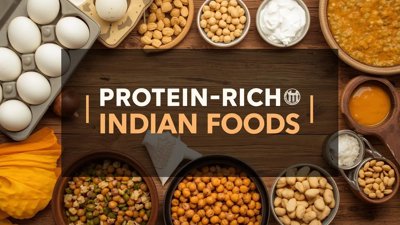
Practical Protein Alternatives (suitable for India)
| Current Habit |
Recommended Upgrade |
| Skipping breakfast |
Curd + moong chilla + seeds |
| Tea + toast |
Egg + sprout bowl + fruit |
| Lunch dal + rice |
Dal + paneer + millet roti + sabzi |
| Evening bhel |
Chana-soya bhel + curd |
| Dinner pasta |
Millet pasta + tofu/chicken + veggies |
Integrating protein into your diet smooths out hunger fluctuations,
facilitating graceful aging—not by shrinking, but by staying strong.
Zone 2: The Heart-Healthy Cardio Sweet Spot
While high-intensity workouts have their place, the key to longevity lies not in exhausting bursts—but in steady, manageable efforts.
Zone 2 cardio includes low-intensity movements that enable you to converse while exercising for extended periods. It teaches the body to burn fat efficiently, enhances mitochondrial health, and builds heart capacity without undue stress.
Recognizing Zone 2 Effort
In this zone, you can:
Examples include: brisk walking, gentle cycling, steady treadmill work, leisurely jogging, lap swimming at a comfortable pace.
Significance of Zone 2 Training
Enhances metabolic health
Boosts daily life endurance
Keeps the heart youthful
Stabilizes blood sugar levels
Elevates mood without burnout
Reduces inflammation
Longevity does not strive for a finishing line; it seeks consistent steps forward.
Recommended Frequency
Your heart doesn’t demand heroics; it requires regular kindness.
Micro-Strength: Minor Efforts Yield Major Benefits
Two-hour gym sessions aren't essential for preserving strength. In fact, micro-strength training—short, frequent strength routines—has emerged as a significant longevity resource.
Examples of Micro-Strength Exercises
5-10 minutes of bodyweight exercises like squats, push-ups, and planks
Stair climbing
Resistance band workouts
At-home kettlebell swings
Farmers walks with groceries
Wall sits
Evening glute bridges
Small changes can result in substantial rewards.
Why Micro-Strength Training Is Effective
Keeps muscles engaged
Enhances balance and joint stability
Prevents chronic back pain
Sustains insulin sensitivity
Safeguards bone health
Keeps metabolism active
Strength building isn’t limited to a gym; it’s a regular routine.
Goals for Micro-Strength
Engage in 3-4 micro-sessions daily
OR
Short 30-40 minute full-body workouts 2-3 times a week
Longevity Is Utility, Not Aesthetics
Youth culture glorifies looks; the longevity culture honors capability.
A powerful body exists not for vanity, but to:
Wrinkles may fade; weakness will not.
The Connection Between Mind and Body in Longevity
Muscle strength supports cognition just as much as it aids mobility.
Regular physical activity fosters:
A strong physique protects the mind, while a serene mind benefits the body.
Longevity incorporates emotional well-being as well.
Daily Habits That Contribute to Lifelong Health
Longevity is crafted in routines, not just within gym walls.
Key daily practices include:
A morning protein-rich breakfast
An evening brisk walk
Exposure to sunlight
3-5 minutes of stretching, both morning and night
Incorporating breathing exercises
Staying hydrated throughout the day
Setting digital boundaries
Weekly meal prep to avoid impulsive snacking
Consistent sleep schedule
Lifelong health isn’t a coincidence—it requires consistent effort.
India’s Rich Legacy: Blending Ancient Wisdom with Modern Insights
India has long understood the essence of longevity through:
This emerging movement acts as a bridge connecting present-day lifestyles with ancestral wisdom.
Modern research reaffirms what traditional practices have always suggested.
Mistakes to Avoid on Your Longevity Journey
Longevity is not about:
Fasting to the point of starvation
Pursuing extreme workout schedules
Being overly fixated on dietary supplements
Adopting radical biohacking trends
Unjustifiably cutting out food groups
Considering rest as laziness
Delaying health efforts until later in life
Health isn’t earned by the age of 60; it’s cultivated in your 30s, safeguarded in your 40s, sustained in your 50s, and embraced in your 70s.
Your Micro-Checklist for a Longevity Strategy
- 25-35g of protein in every meal
- 45-minute Zone 2 walking or cycling most days
- 10 minutes of strength activities daily
- 7+ hours of sleep each night
- Regular hydration intervals
- Minimize consumption of processed sugars
- Dawn sunlight exposure
- Stretch hips, ankles, and back
- A structured evening winding down routine
- Engagement in community interactions, stimulating conversations, and fostering curiosity
Treat your health as a long-term investment—don’t see it as a short-term rental.
The Final Thought
Longevity is not about seeking immortality; it’s about living well for as long as possible.
A decade filled with vitality outweighs a mere survival decade.
A calm heart prevails over relentless stress.
A protein-rich diet triumphs over temporary trends.
A leisurely stroll surpasses frenzied cardio sessions.
Daily efforts at fitness are preferable to fleeting annual ambitions.
The path forward belongs to those who view health as a daily quest rather than a drastic endeavor.
Live on, stay strong—not by chance, but through consistent habits.
Disclaimer
This article delves into longevity and wellness patterns and should not be seen as a substitute for medical advice. Consult certified healthcare professionals regarding your individual health needs before making any changes to your diet or exercise routine.


 English