Post by : Saif
Al-Najjar
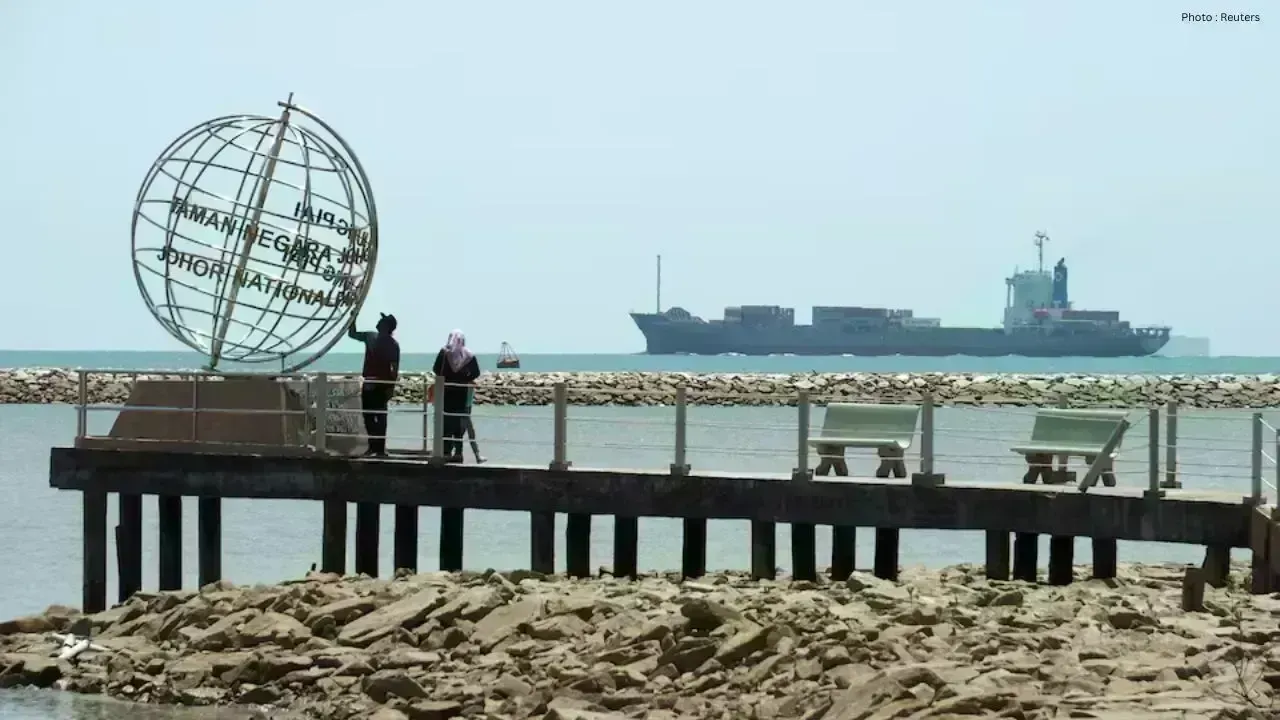
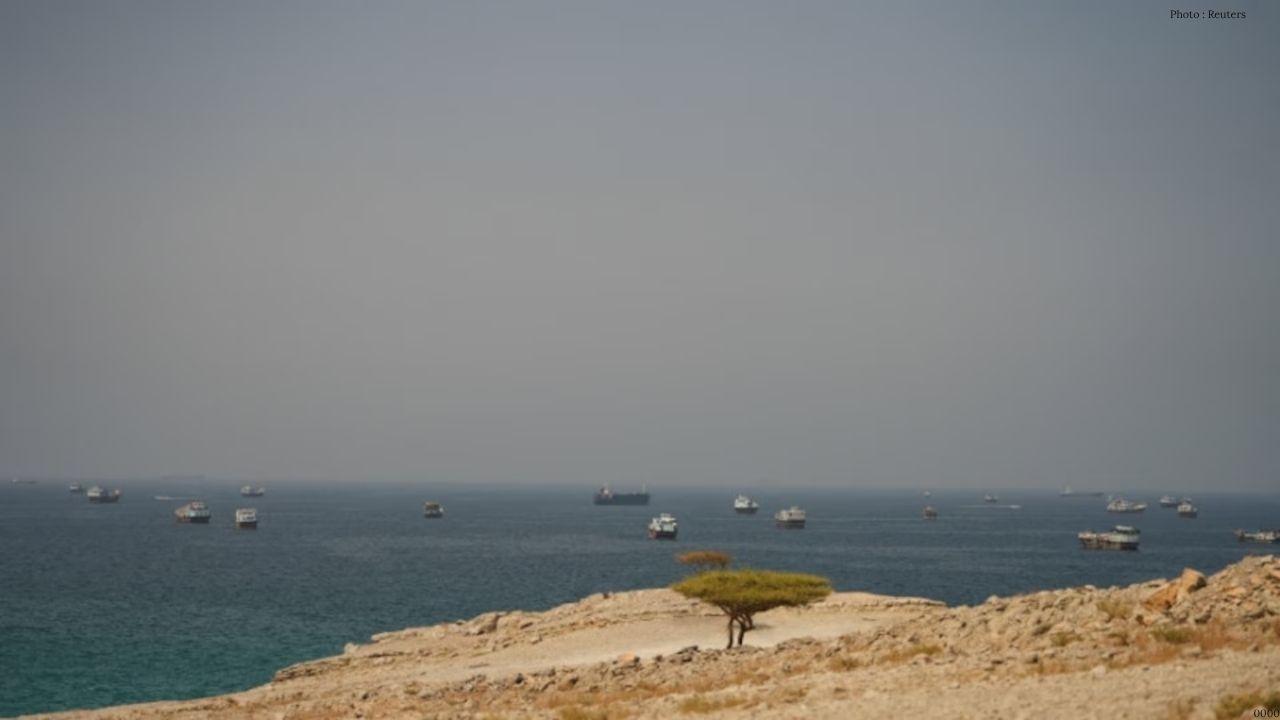
The Strait of Hormuz crisis has redirected global focus to another significant maritime corridor—the Strait of Malacca. With tensions impacting one of the key oil routes, experts have begun to reassess the crucial role Malacca plays in international trade and energy distribution.
Known as one of the busiest waterways globally, the Strait of Malacca connects the Indian and Pacific Oceans and facilitates the passage of thousands of vessels each year. A substantial proportion of world trade, including vital oil shipments and various goods, transverses this narrow channel. Any disruption here has the potential to impact numerous nations simultaneously.
The current situation in Hormuz underscores the world's reliance on these narrow waterways. When one critical area faces difficulties, shipping companies are compelled to shift their reliance to alternatives, intensifying traffic and raising risks in routes such as the Malacca Strait.
One principal concern is the narrow dimensions of the strait. Certain sections are constricted, presenting challenges for large vessels navigating through safely. As traffic volumes rise, so do the probabilities of accidents, delays, or obstructions. Even minor incidents in such a heavily trafficked route can generate significant ramifications for global supply chains.
Security remains a pressing issue, as the Strait of Malacca has historically experienced challenges like piracy. Although there have been improvements in regional security, threats linger, particularly during periods of heightened global tension, which could jeopardize safe shipping operations.
Major global economies such as China, Japan, and South Korea rely heavily on this sea lane for essential oil and goods imports, making it a cornerstone of their economic stability. Disruptions could lead to shortages and escalated costs.
Regional nations like Indonesia, Malaysia, and Singapore collaborate to maintain the security and navigability of the strait. Their ongoing partnership is vital to ensuring that global trade flows uninterrupted. Enhanced coordination and vigilance are crucial to manage rising traffic levels and associated hazards.
The increasing emphasis on the Malacca Strait illustrates a broader issue in global commerce. A limited number of narrow channels handle a vast portion of the world’s trade and energy supplies. These critical chokepoints, though geographically small, play an indispensable role in the global economy. Disruptions in one passage can rapidly reverberate throughout various markets.
The Hormuz crisis has highlighted these vulnerabilities and underscores the necessity for improved planning, bolstered security, and alternative routes to lessen the reliance on singular passages.
The ascendant significance of the Malacca Strait accentuates the interconnectedness of global trade. Ensuring the protection of such critical routes is essential for maintaining consistent supply, stabilizing prices, and facilitating smooth economic operations worldwide.


 English