Post by : Shweta
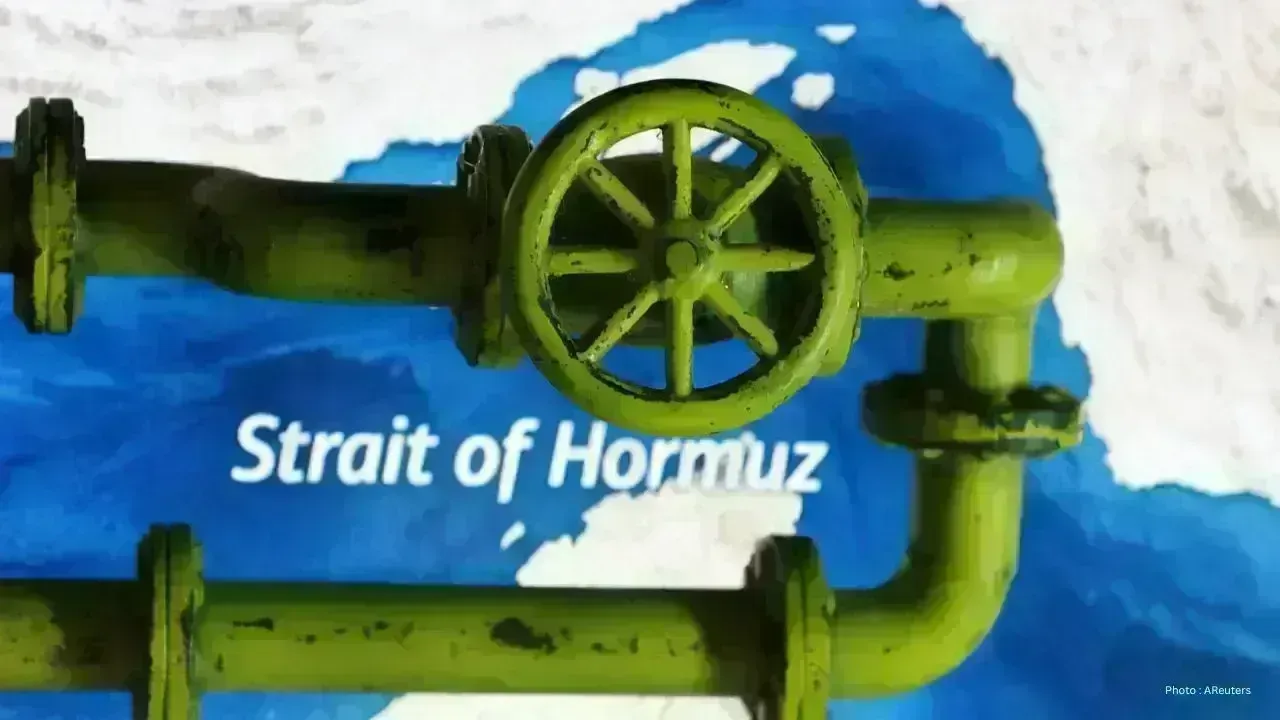
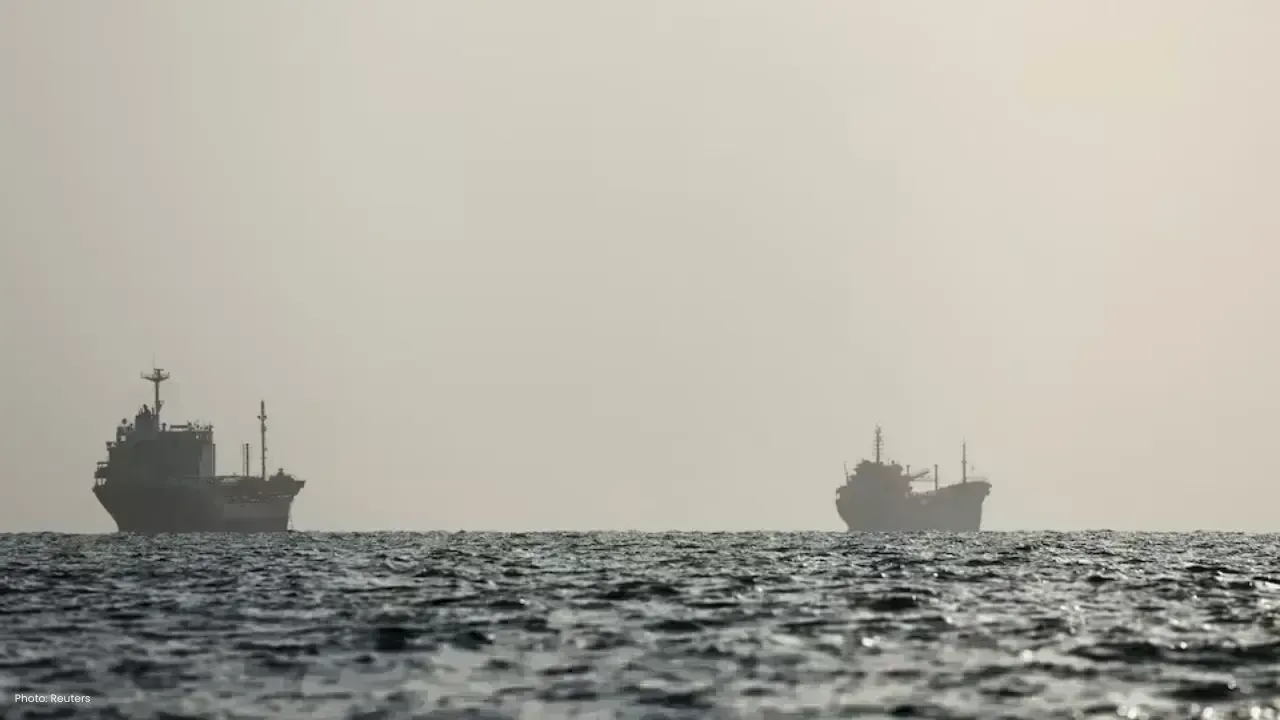
With global energy markets under strain, oil and gas exporters from the Middle East are urgently looking for new shipping routes following the closure of the Strait of Hormuz. This strategic channel, where nearly 20% of the world's oil is transported, has become a focal point amid escalating tensions between the United States and Iran.
The interruption has caused a significant supply shock, leading to soaring oil prices and revealing the fragile nature of the global energy framework. Analysts emphasize the heavy reliance on a small number of critical routes for energy transport.
Major oil producers in the Gulf, including Saudi Arabia and the United Arab Emirates, are actively seeking alternative export pathways. However, many countries—such as Iraq, Kuwait, Qatar, and Bahrain—remain highly dependent on this vital route, complicating immediate solutions.
Experts like Fatih Birol have consistently highlighted the dangers of depending on such a precarious passage. The current crisis underscores these warnings, pushing nations and companies alike to reassess their long-term strategies and forecast necessary infrastructural changes to lessen reliance on the strait.
The dynamics in the region are evolving as well. While Iran has historically leveraged its control over the strait, increasing military pressure and a U.S. naval blockade have weakened that stance. Concurrently, concerns over regional security have escalated, prompting Gulf nations to consider more stable, long-term energy alternatives.
Despite these initiatives, replicating the oil shipment volumes typically moved through the Strait of Hormuz is no simple task. The bulk of exports feed into significant Asian economies—China, India, and Japan—which depend on reliable energy channels. Ongoing disruptions may result in severe repercussions for global markets, including heightened fuel prices and a downturn in economic growth.
As the situation remains unresolved, the international energy market stays vigilant. Countries are working to diversify their energy routes and supply chains, yet specialists agree that establishing dependable alternatives will require time. Until then, the Strait of Hormuz will continue to pose a significant challenge for the global economy.


 English