Post by : Shakul
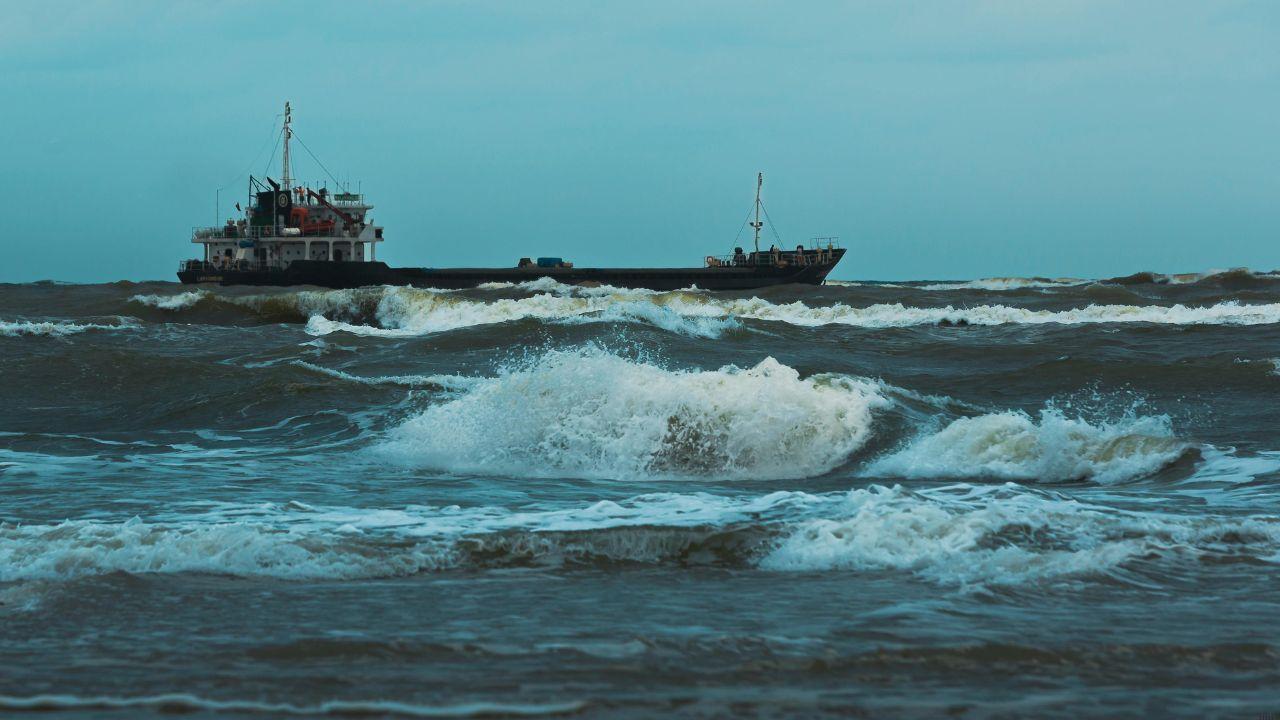
A small subset of international ships has restarted their journeys through the strategically crucial Strait of Hormuz, indicating a tentative reduction in tensions after weeks of interruptions linked to regional conflict.
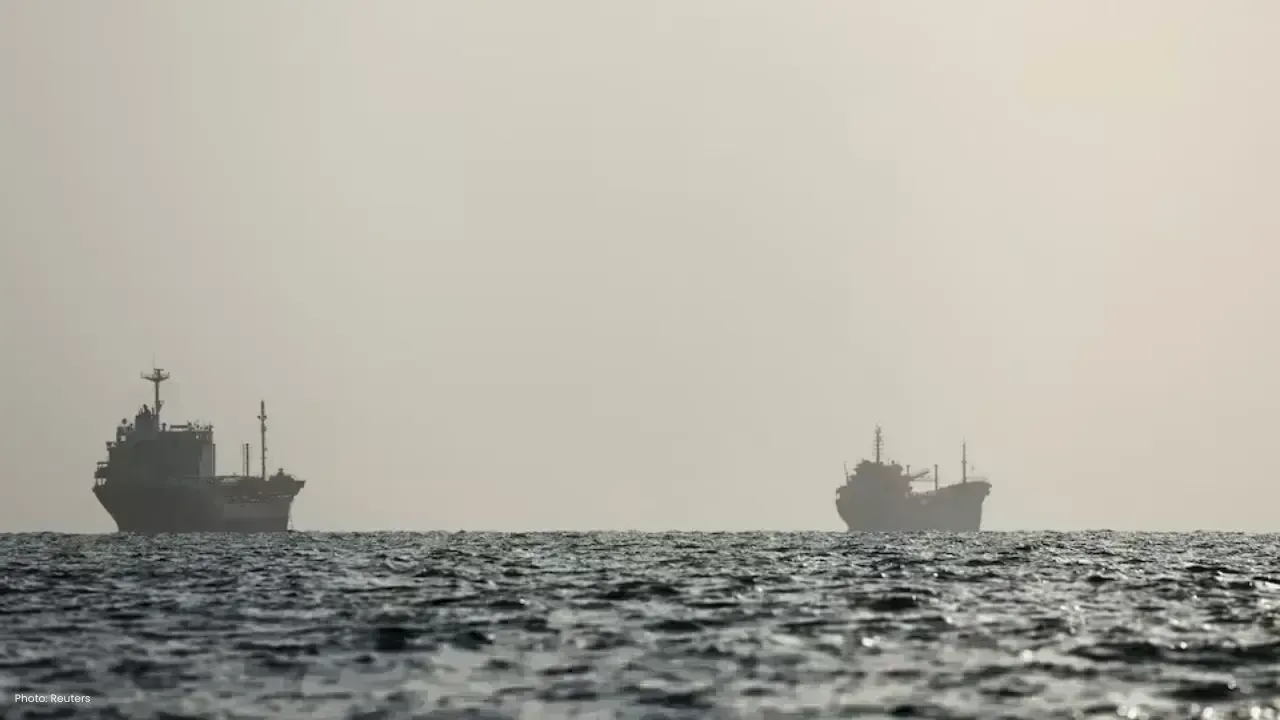
Shipping data reveals that multiple vessels, such as tankers operated by Oman, a French container ship, and a Japanese LNG carrier, have successfully navigated this narrow passage in recent days. This movement reflects Iran’s new stance on permitting transit for vessels deemed "friendly," amid prior blockades.
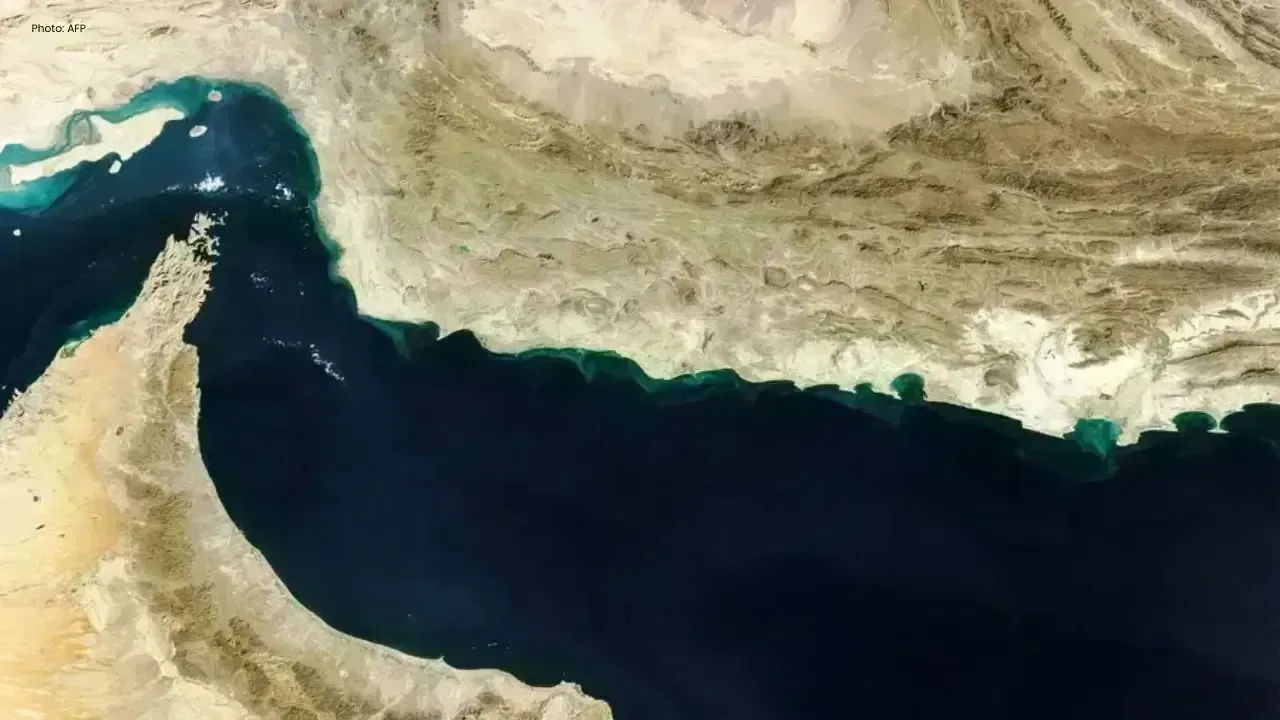
The Strait of Hormuz serves as one of the globe’s most pivotal energy corridors, facilitating almost 20% of worldwide oil and LNG shipments. The Iranian government had previously shut down this route in response to U.S. and Israeli airstrikes targeting Iranian installations in late February, escalating tensions and disrupting international energy supply lines.
The latest ship movements suggest a selective reopening. Notably, a vessel from French shipping leader CMA CGM passed through the strait after clearly signaling its nationality, indicating "Owner France" on its tracking system before entering Iranian waters. This action coincided with French President Emmanuel Macron's call for diplomacy as the sole pathway to restoring transit.
Additionally, two large crude oil carriers and an LNG tanker managed by Oman Shipping Management have left the Gulf, underscoring Oman’s neutral role in mediating regional issues. Oman has previously facilitated dialogues between Iran and the U.S. and advocates against military escalation.
Japan has also seen its first vessel navigate through since the escalation began. Mitsui O.S.K. Lines announced that its co-owned LNG tanker successfully traversed the strait, marking a notable advance for Asian energy routes. However, around 40 to 50 ships associated with Japan remain stranded in the area, per official assessments.
Other vessels, including LPG carriers and various gas tankers flagged under different nations, have also employed Iranian territorial waters to exit the Gulf, often indicating neutral or friendly relations.
Nevertheless, maritime operations continue to exhibit high unpredictability. Past efforts to resume traffic were often followed by renewed interruptions, signaling that the situation remains delicate.
Global oil and commodity markets are keeping a close watch on the strait, as a sustained reopening could alleviate supply pressures and stabilize prices. Despite these developments, ongoing geopolitical tensions suggest that full restoration of shipping activities may take time.


 English