Post by : Anis
Al-Rashid
The Surge of Coffee Alternatives
For countless individuals, coffee has been the go-to beverage for years. However, an increasing number of consumers are turning towards alternatives. The growing shift is prompted by factors such as sensitivity to caffeine, concerns regarding digestive health, environmental sustainability, and a desire for drinks offering functional health benefits.
Recent surveys indicate rising consumer interest in drinks that provide mental clarity without jitters, immune system support, and stress alleviation. Meanwhile, social media and wellness leaders shine a light on innovative alternatives, including herbal teas and adaptogenic mushroom blends.
Functional Teas: Beyond the Basics
The emergence of functional teas marks a significant trend in the realm of coffee alternatives. These specially crafted blends focus on delivering distinct benefits, such as increased mental clarity, immune enhancement, and digestive support.
Key ingredients include:
-
Ginseng: A herbal supporter of energy and mental sharpness.
-
Ginger and Turmeric: Known for their anti-inflammatory and digestive properties.
-
Tulsi (Holy Basil): An adaptogen that helps mitigate stress.
-
Matcha: Offers a slow-release caffeine effect that enhances focus without the rapid spikes.
These beverages not only cater to health enthusiasts but are becoming default choices in chic cafés and wellness-focused packaging.
Mushroom-Infused Drinks: Embracing Adaptogens
In 2025, mushrooms are stepping into the spotlight in the beverage industry. Varieties such as reishi, chaga, lion’s mane, and cordyceps are being included in drinks focused on boosting immunity, improving cognitive function, and increasing energy.
Lion’s mane is particularly noted for its benefits in cognitive enhancement, making it a favorite among students, remote workers, and biohackers. Reishi is often highlighted for its role in managing stress and enhancing sleep quality, while cordyceps is frequently marketed to athletes seeking energy and endurance.
Mushroom beverages are available in various formats, including powdered blends for warm drinks, ready-to-drink options, and creamy latte mixes that provide a similar texture to coffee while offering distinct benefits.
Reinventing the Latte
The classic latte is undergoing a transformation. Consumers are now exploring herbal bases such as rooibos, cacao, and turmeric, paired with plant-based milks like oat, almond, and macadamia.
These variations provide:
-
Minimized caffeine levels: Ideal for those who react to coffee.
-
Antioxidant benefits: Many herbs are rich in flavonoids that help combat oxidative stress.
-
Unique flavors: From rose and lavender to spiced turmeric, these beverages elevate the drink experience.
Café menus and retail shelves are rapidly adapting, offering these lattes as both indulgent and health-conscious alternatives.
Chicory and Grain-Based Alternatives
Chicory roots and roasted grains like barley and rye are enjoying a resurgence as favored coffee substitutes. They provide a coffee-like flavor without caffeine, making them suitable for evening refreshment or for those looking to minimize stimulant intake.
-
Chicory: Offers a subtle nuttiness and can be served alone or blended with coffee for reduced caffeine.
-
Barley and Rye: Their roasted profiles create rich flavors and creamy textures, often used in hot drinks.
-
Dandelion root: This herbal alternative has a slight bitterness that resembles coffee’s complexity.
These choices appeal to health-focused consumers, particularly those interested in gluten-free or low-acid options, as many are gentler on the digestive system than traditional coffee.
Scientific Insights Behind the Trend
Key scientific trends are contributing to the appeal of coffee alternatives:
-
Awareness of Gut Health: Excessive coffee intake can irritate the gastrointestinal tract. Functional teas offer a milder approach.
-
Cognitive Benefits: Adaptogens, such as lion’s mane and ginseng, are supported by research for their cognitive enhancement properties.
-
Alignment with Circadian Rhythms: Low or no-caffeine beverages allow consumers to savor morning routines without disrupting sleep patterns.
-
Enhanced Nutrient Absorption: Many modern functional teas and mushroom drinks are designed to boost the absorption of key nutrients, antioxidants, and adaptogens.
Creating Unique Experiences in Cafés
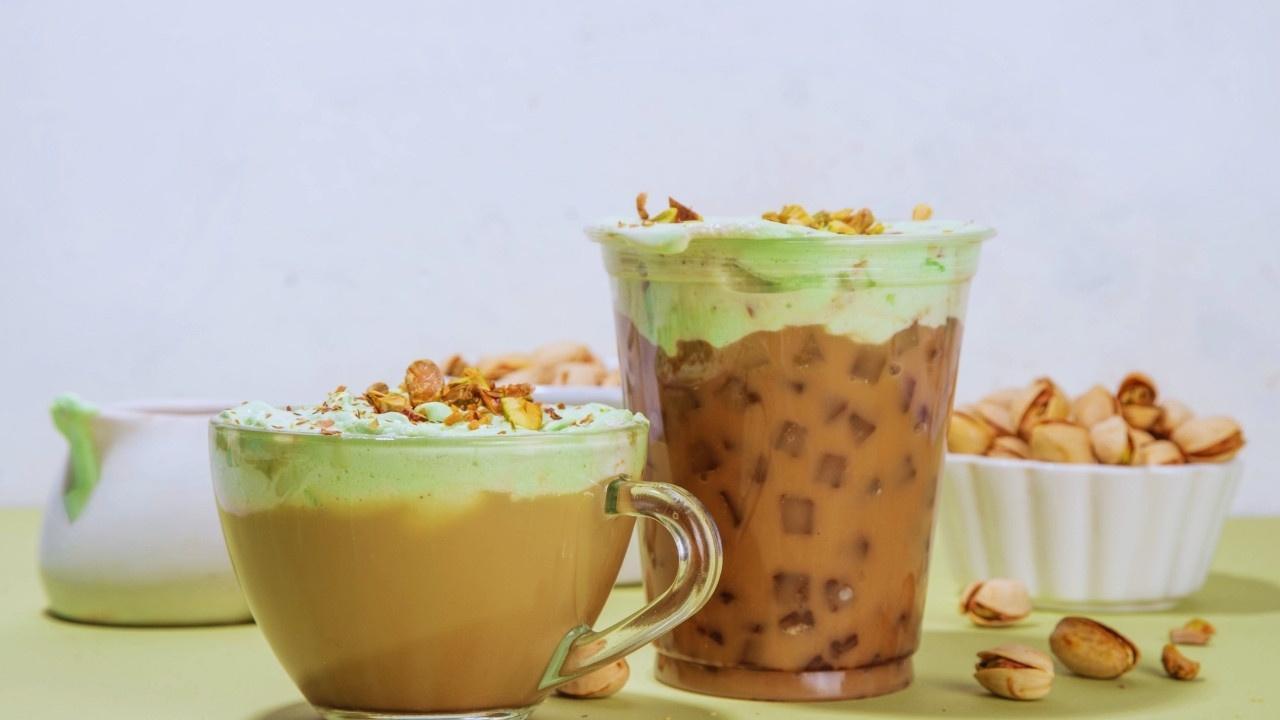
Cafés are adopting coffee alternatives as a premium offering instead of a simple replacement. Innovative drinks like mushroom lattes, herbal golden milk, and iced adaptogenic teas are presented in visually appealing ways that blend wellness and aesthetics.
Baristas are receiving training on how to prepare these beverages accurately, focusing on aspects such as flavor balance and texture. This shift signifies that consumers are increasingly viewing coffee as part of a health-focused and pleasurable ritual.
Convenience in Ready-to-Drink Options
Brands are innovating with ready-to-drink (RTD) coffee alternatives, merging herbal extracts, mushroom powders, and plant-based milks in convenient packaging.
RTD selections are appealing to:
-
Professionals on the move in search of functional beverage options.
-
Travelers desiring caffeine alternatives while maintaining alertness.
-
Health-conscious younger generations attracted to trendy functional beverages.
These products frequently emphasize sustainable sourcing, clear labeling, and adaptogenic benefits to appeal to environmentally conscious shoppers.
Seasonal Flavor Innovations
In addition, coffee alternatives are taking advantage of seasonal flavor creativity. Presently popular trends include:
-
Spiced lattes with hints of cinnamon, cardamom, or ginger.
-
Chocolate-infused options highlighting cacao or cocoa butter.
-
Floral enhancements featuring hibiscus, rose, or lavender extracts.
-
Citrus blends showcasing lemongrass or orange zest for a refreshing note.
This creative approach makes these drinks stand out, attracting consumers looking for unique and visually appealing experiences.
Real Health Benefits
Consumers choose coffee alternatives not just for taste, but for substantial health benefits:
-
Decreased caffeine: Aids in reducing jitters and nervousness.
-
Adaptogenic characteristics: Help manage stress and emotional balance.
-
Antioxidant and anti-inflammatory properties: Thanks to various herbal ingredients, they contribute to overall health.
-
Digestive-friendly formulations: Support gut health and microbiome balance.
This blend of flavor, utility, and health makes coffee alternatives an enticing market segment as we approach 2025.
Considering Sustainability
Coffee alternatives also address significant environmental and ethical issues. Many functional teas, mushroom blends, and plant-based drinks are:
-
Produced with lower water use relative to conventional coffee farming.
-
Locally sourced or cultivated through regenerative agricultural methods.
-
Packaged sustainably, featuring compostable materials and recyclable containers.
As awareness of sustainability grows, consumers are making deliberate choices that make coffee alternatives a thoughtfully delicious option.
Incorporating Coffee Alternatives into Daily Routines
For those eager to try out these beverages:
-
Morning Swap: Start your day by substituting one coffee with a functional tea or adaptogenic latte.
-
Midday Energy: Opt for mushroom blends or ginseng teas to keep your concentration steady without caffeine overload.
-
Evening Relaxation: Choose herbal teas or roasted grain drinks in the evening to wind down.
-
Mix & Match: Blend chicory or roasted grains with herbal teas for exciting flavor combinations.
-
Experimenting at Home: Use plant-based milks, spices, and natural sweeteners to create your own café-inspired beverages.
Implementing these minor changes can boost energy management, digestive ease, and health benefits while diversifying daily habits.
Looking Ahead: The Future of Coffee Alternatives
As 2025 advances, coffee alternatives are shifting from a passing trend to a lifestyle choice. People are gravitating towards drinks that fuse taste, health, and sustainability.
Future innovations will likely include:
-
Adaptogen-rich blends featuring various mushrooms or herbs targeting specific health needs.
-
Innovative plant-based milk options that enhance flavor and nutrition.
-
Functional RTD options with a growing presence in physical and online marketplaces.
-
Sensory-driven experiences at cafés underscoring taste, scent, and visual appeal.
The upcoming landscape promises a dynamic and varied market where coffee alternatives complement traditional coffee, offering consumers a comprehensive choice.
Disclaimer:
This content serves informational purposes only, reflecting current trends and consumer insights concerning coffee alternatives. It is not intended as medical guidance or product recommendation.


 English