Post by : Anis
Al-Rashid
A Breakthrough in Energy Technology
At the center of the contemporary energy evolution are batteries. As the global movement toward electrification gains momentum—with applications spanning electric vehicles to household power grids—the shortcomings of conventional lithium-ion batteries are becoming increasingly apparent. Challenges such as overheating, scarcity of rare metals, slow recharge times, limited lifetimes, and environmental repercussions are prompting scientists and industries to explore advanced alternatives.
This critical need has ignited a wave of next-gen battery technologies designed to provide safer, quicker, and more sustainable energy storage solutions. They are not merely incremental improvements; they represent a transformative leap in chemistry, materials, and production methods.
The Urgency for Advanced Batteries
Reliable energy storage is crucial for the transition to sustainable energy. Solar and wind energy availability varies with weather conditions, electric vehicles require extended ranges, and stability is needed in power grids during peak demand. Traditional batteries often fall short of these requirements.
Several global factors are driving the development of innovative battery solutions:
-
growing electric mobility
-
rapid adoption of renewable energy
-
increased necessity for grid-scale storage
-
climate action deadlines
-
concerns over mineral scarcity
-
demand for closed-loop recycling technologies
Next-gen batteries aim to tackle these pressing challenges by integrating high performance with environmental accountability.
Solid-State Batteries: A Safety and Performance Revolution
By substituting flammable liquid electrolytes with solid materials, solid-state batteries significantly reduce fire hazards and overheating risks—a notable advancement that has attracted significant global attention. Yet, safety is merely one of their advantages.
Key benefits of solid-state batteries include:
-
remarkably faster charging times
-
greater energy density
-
enhanced longevity
-
better operation in extreme conditions
-
lower risk of leakage and degradation
With strong investments from automotive leaders and clean-tech firms, solid-state technology is transitioning from research phases to assembly lines. Industry experts predict it will characterize the forthcoming generation of electric vehicles and stationary energy solutions.
Lithium-Sulfur Batteries: Energy-Rich and Cost-Effective
Gaining traction for their superior energy density—potentially several times higher than existing lithium-ion batteries—lithium-sulfur batteries offer lightweight options suitable for sectors like aviation, shipping, and long-haul trucking.
Reasons for their significance include:
-
abundance and low cost of sulfur
-
impressive energy-to-weight ratios
-
reduced dependence on rare and expensive metals
-
capability to enhance electrification in heavy industries
While challenges such as cycle stability are being resolved, lithium-sulfur systems are emerging as a viable option where weight is a critical consideration.
Sodium-Ion Batteries: An Abundant Alternative
The constraints related to lithium supplies have led global researchers to investigate sodium-ion batteries—a promising alternative as sodium is widely available and cost-effective.
Benefits include:
-
lower manufacturing costs
-
minor supply-chain vulnerabilities
-
superior performance in colder climates
-
suitability for larger energy storage solutions
Although they might not currently match lithium batteries in energy density, sodium-ion solutions present a sustainable and scalable alternative for grid-scale applications where dimensions are less pressing.
Iron-Air and Metal-Air Batteries: For Extended Storage Requirements
To accommodate renewable energy needs, batteries capable of storing electricity for days, rather than hours, are essential. Metal-air batteries—iron-air in particular—are poised to fulfill this requirement.
Benefits include:
-
very long discharge cycles
-
affordable raw materials
-
compatibility with large renewable energy systems
-
potential to lessen reliance on fossil-fuel energy sources
Such batteries may serve as a fundamental building block for a climate-resilient infrastructure, especially in areas rich in renewable energy.
Recycling and Closed-Loop Initiatives
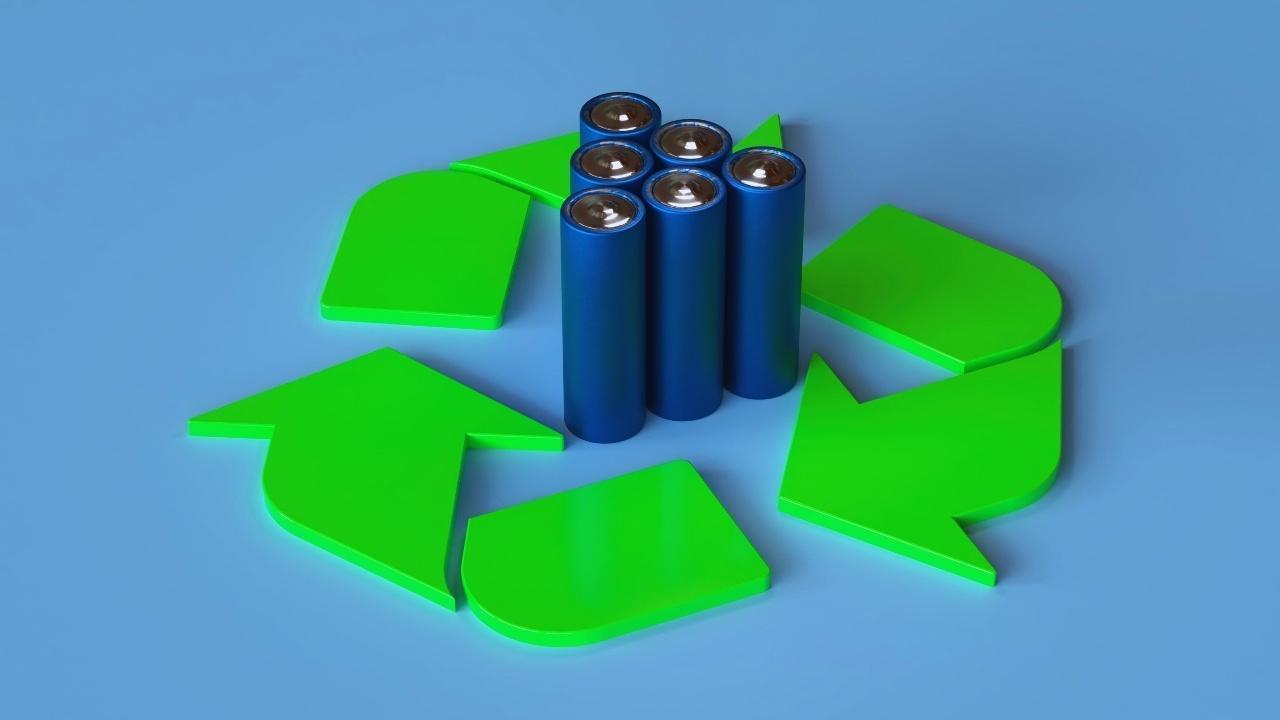
A key aspect of next-gen batteries is recycling. The environmental impact of conventional lithium-ion battery waste is significant. New designs emphasize total recyclability, allowing for the reclamation and reuse of materials without major degradation.
Future-oriented battery recycling innovations include:
-
carbon-neutral recycling operations
-
chemical recycling for higher purity of recovered materials
-
digital traceability for batteries
-
standardized components for easier disassembly
-
lower environmental impacts during material extraction
Closed-loop battery ecosystems guarantee that manufacturers can recover valuable resources like lithium, cobalt, and nickel, decreasing mining necessities and enhancing sustainability.
Fast-Charging Evolution: Reducing Load Times
One of the top priorities for next-gen batteries is fast charging. Advances in nanotechnology, electrode optimization, and solid electrolytes have revolutionized fast-charging capabilities.
Next-gen fast-charging proposes:
-
completing EV charges in minutes, not hours
-
less stress on battery health
-
enhanced support for robust power grids
-
better operation in cold weather conditions
These advancements seek to make charging electric vehicles as quick and convenient as fueling conventional vehicles.
Enhanced Safety Through Innovative Chemistries
Consumer safety continues to be a primary concern, particularly following notable incidents of battery-induced fires. Innovative battery chemistries are focusing on stability through:
-
solid electrolytes
-
non-flammable components
-
better thermal management solutions
-
advanced separator technologies
-
smarter management systems for batteries
With increasing safety measures, public confidence in electric transport and renewable energy storage grows, fostering broader acceptance.
Smart Battery Management Systems Leading the Way
Software is becoming increasingly vital in battery innovations. Smart battery management systems (BMS) optimize performance and safety by closely tracking:
-
temperatures
-
charge/discharge rates
-
voltage equilibrium
-
cell health
AI is increasingly incorporated within modern BMS to prolong lifespan and halt degradation through predictive analytics, enhancing battery efficiency.
Sustainable Production and Ethical Manufacturing
The future of next-gen battery production is underscored by sustainability from the outset. Manufacturers are dedicating efforts to minimize emissions and resource waste via:
-
low-carbon production techniques
-
less water consumption
-
ethically sourced materials
-
using recycled components in batteries
-
adopting circular economy frameworks
Environmentally friendly production guarantees that clean energy technologies avoid creating new ecological dilemmas.
Distributing Power with Decentralized Systems
Battery advancements are at the forefront of decentralized energy networks. Residential and commercial entities, along with microgrids, can store renewable energy on-site, alleviating pressure on conventional fossil-fuel power plants.
Next-gen batteries facilitate:
-
solar energy storage systems for homes
-
urban electrification initiatives
-
community microgrid projects
-
infrastructure resilient against climate events
Decentralized energy solutions enhance climate adaptation, ensuring constant electricity availability during severe weather occurrences.
Innovating Electric Aviation and Maritime Transport
With ongoing advancements in battery tech, even sectors previously considered impossible to electrify are now being discussed. Next-gen batteries are facilitating:
Lightweight, high-capacity chemistries are crucial for unlocking electric transit solutions across air and sea.
Grid-Scale Storage: Essential for Renewable Energy Stability
As countries expand renewable energy capacities, battery storage is vital for ensuring supply stability. Next-gen grid batteries help:
-
lower blackout frequency
-
manage peak electricity demands
-
store surplus solar and wind energy
-
balance unpredictable outputs from renewable sources
These battery systems are becoming increasingly critical as nations shift away from fossil fuels and aim for ambitious climate goals.
The Global Battery Leadership Race
Countries are fiercely competing to take the lead in battery manufacturing. Gigafactories are being established globally, supported by government incentives to enhance local industrial supply chains.
Nations are concentrating on:
-
ensuring energy self-sufficiency
-
reducing import dependencies
-
leading in electric transportation
-
creating local employment
-
achieving technological sovereignty
This competitive landscape fuels innovation and leads to lower costs for consumers.
Barriers to Adoption
Despite noteworthy advancements, the uptake of next-gen batteries encounters obstacles:
-
scaling manufacturing effectively
-
securing sustainable raw materials
-
ensuring consistent global supply chains
-
reducing production costs
-
compliance with safety standards
-
developing a robust recycling ecosystem
Resolving these challenges is crucial for the rapid integration of next-gen batteries into mainstream applications.
Consumer Expectations: Durability and Sustainability
Consumers are increasingly demanding batteries that:
-
offer prolonged lifespan
-
charge more efficiently
-
maintain high capacity over time
-
are manufactured ethically
-
feature easy recyclability
Next-gen batteries are being innovated to meet such demands, indicating a significant shift towards harmonizing technology with lifestyle and ecological considerations.
A Glimpse into the Future
The upcoming ten years will redefine the scope of energy storage. Batteries will evolve to be safer, cleaner, more robust, and profoundly interwoven into daily life.
Potential future advancements may encompass:
-
widespread solid-state battery adoption
-
carbon-neutral battery manufacturing facilities
-
near-instantaneous EV charging
-
extensive usage of recyclable materials
-
non-metal based battery solutions
-
universal battery passport frameworks
-
ultra-long-lasting grid storage solutions
-
AI-optimized battery lifecycle management
These breakthroughs signal a vision where renewable energy is consistently accessible, electric transport becomes ubiquitous, and sustainability underpins every aspect of energy management.
Final Thoughts
The rapid development of next-generation batteries is pivotal in expediting the clean-energy transition globally. With enhanced safety, faster charging capabilities, exceptional durability, and environmentally considerate designs, they are redefining power generation, storage, and utilization. As investments and innovations flourish, these technologies will lead to a more sustainable and electrified future.
Disclaimer:
This article analyzes ongoing global energy and technology trends for informational purposes. The actual performance and availability of next-gen batteries may differ based on region, manufacturer, and regulatory frameworks.


 English