Post by : Mikhael
Al-Saeed
Top Plant-Based Protein Sources: Foods to Fuel Your Body
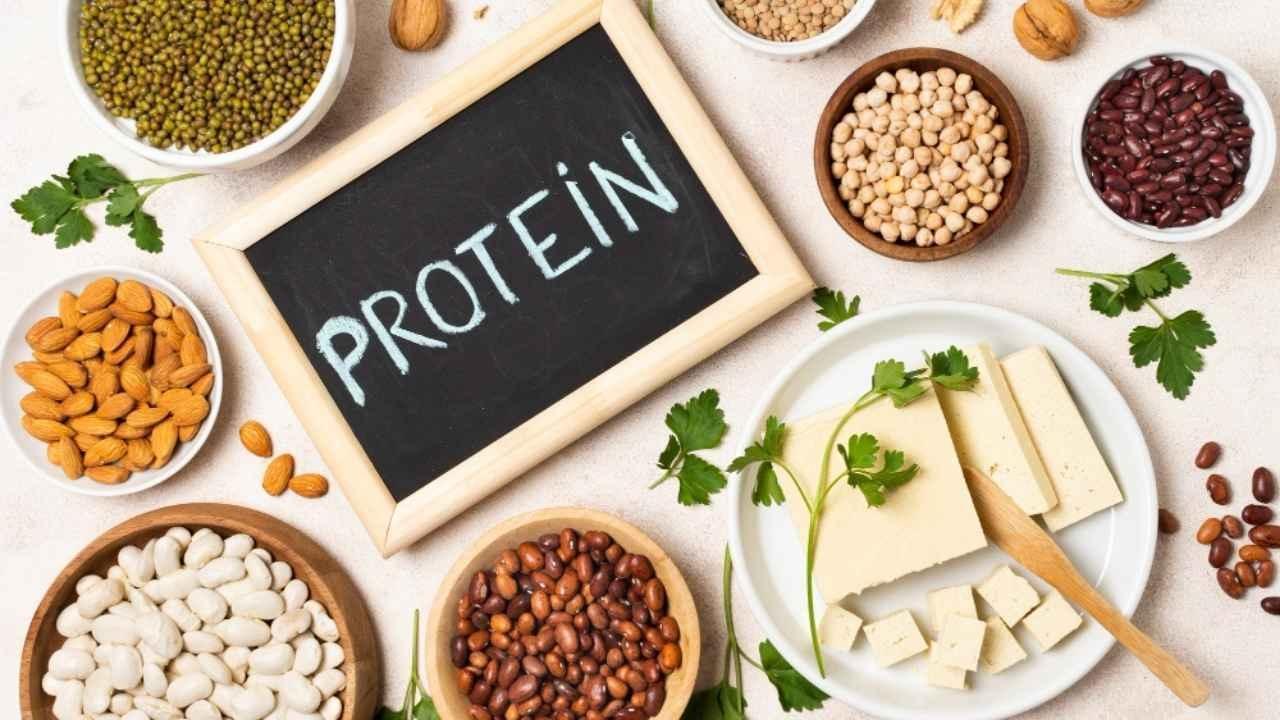
Protein is vital for our daily health, playing a crucial role in muscle building, tissue repair, and immune system support. Contrary to popular belief, meat isn't the sole source of protein—numerous plant-based, dairy, and grain choices offer excellent protein options without needing to include meat in your meals.
This informative guide sheds light on protein’s importance, highlights the best non-meat protein sources, and offers straightforward methods to incorporate them into your everyday diet. The content is accessible and straightforward, catering to all readers, including students.
Importance of Protein in Our Diet
Protein serves a variety of essential functions in the body:
-
Muscle development
-
Repairing tissues post-injury or exercise
-
Nourishing hair, skin, and nails
-
Strengthening bone structure
-
Producing vital hormones and enzymes
-
Enhancing immune defense
-
Sustaining energy levels throughout the day
Insufficient protein intake can lead to fatigue, weakness, lingering hunger, slow recovery, and hair loss.
The bright side is that adequate protein can be achieved without meat through thoughtful food choices.
Best Protein Sources Beyond Meat
Here are several top non-meat protein-rich foods that can easily fit into your daily meals.
1. Lentils (Dal)
Lentils serve as one of the most dependable and budget-friendly protein sources for vegetarians.
Benefits of Lentils:
-
High in protein
-
Easily digestible
-
Rich in fiber and iron
-
Quick to prepare
-
Suitable for all ages
One cup of cooked dal delivers about 18 grams of protein.
Serving suggestions:
Dal with rice, khichdi, dal soup, or dal paratha.
2. Chickpeas and Other Beans
Chickpeas, black beans, kidney beans, and similar legumes provide robust plant-based protein.
Benefits:
Serving ideas:
Boiled chickpeas, hummus, chole, or bean salad.
3. Dairy Products: Milk, Curd, Paneer, and Cheese
Dairy options provide complete protein, containing all essential amino acids.
Health advantages:
Paneer offers around 14–18 grams of protein per 100 grams.
Ways to enjoy:
Paneer dishes, curd with fruits, warm milk, or cheesy toasts.
4. Eggs (if included in your diet)
Eggs, while not classified as meat, rank among the best natural protein sources.
Each egg provides roughly 6 grams of high-quality protein.
Serving suggestions:
Hard-boiled eggs, omelets, scrambled eggs, or egg curry.
5. Soy and Tofu
Soybeans are rich in protein, outpacing many plant foods.
Benefits:
Tofu can deliver around 8 grams of protein per 100 grams.
Serving ideas:
Tofu stir-fry, curry, salads, or soy milk.
6. Nuts and Seeds
Almonds, chia seeds, flaxseeds, and peanuts are great sources of protein blended with healthy fats.
Advantages:
Serving suggestions:
Snacks like trail mix, nut butters, chia pudding, or smoothies.
7. Quinoa
Quinoa is termed a “complete protein grain” due to its full amino acid profile.
Ideal for:
-
Weight reduction
-
Protein-rich meals
-
Gluten-free eating
How to incorporate:
Quinoa salad, pulao, or bowls.
8. Oats
Oats offer a balanced mix of protein, fiber, and essential nutrients.
Perks:
Ways to consume:
Oat porridge, chilla, or smoothies.
9. Green Peas
One cup of green peas provides protein comparable to an egg.
Perks:
How to enjoy:
Pea soup, rice dishes, or mixed vegetable recipes.
10. Mushrooms
Mushrooms are rich in minerals and provide a good dose of protein.
Serving suggestions:
Mushroom curry, soup, grilled variations, or stir-fry.
Simple Ways to Boost Daily Protein Intake
Enhancing your protein consumption doesn’t require radical changes—small adjustments can yield significant benefits:
✔ Add nuts or seeds to your breakfast
✔ Consume dal or beans for lunch or dinner
✔ Occasionally swap rice for quinoa
✔ Include paneer, tofu, or eggs in meals
✔ Enjoy nut butter as a snack
✔ Incorporate a glass of milk or curd daily
✔ Mix chia or flax seeds into smoothies
These minor changes can lead to substantial outcomes over time.
Who Requires Extra Protein?
Certain groups need more protein for development and vitality:
-
Children and teenagers
-
Pregnant and breastfeeding women
-
Athletes and fitness enthusiasts
-
Individuals recovering from health issues
-
Older adults
For these individuals, combining various protein-rich foods in meals can be very beneficial.
You can be healthy, strong, and energetic without meat.
Nature has abundant protein sources like lentils, beans, dairy, eggs, soy, nuts, seeds, quinoa, oats, peas, and mushrooms available.
Incorporating these foods regularly can contribute to well-rounded nutrition, increased energy, and enhanced immunity—all without reliance on meat.
Disclaimer
This article is intended for general awareness and is not professional dietary advice. Protein requirements vary differently for individuals. Those with allergies, medical conditions, or specialized dietary obligations should consult healthcare or nutritional experts before making any dietary changes. The information provided is for educational purposes only and might not suit every individual's health needs.


 English