Post by : Saif
Al-Najjar
Amid escalating tensions in the Strait of Hormuz, a critical oil transit route, oil prices have experienced a drastic increase. This spike has generated widespread concern in global markets due to the region's pivotal role in crude oil transportation.
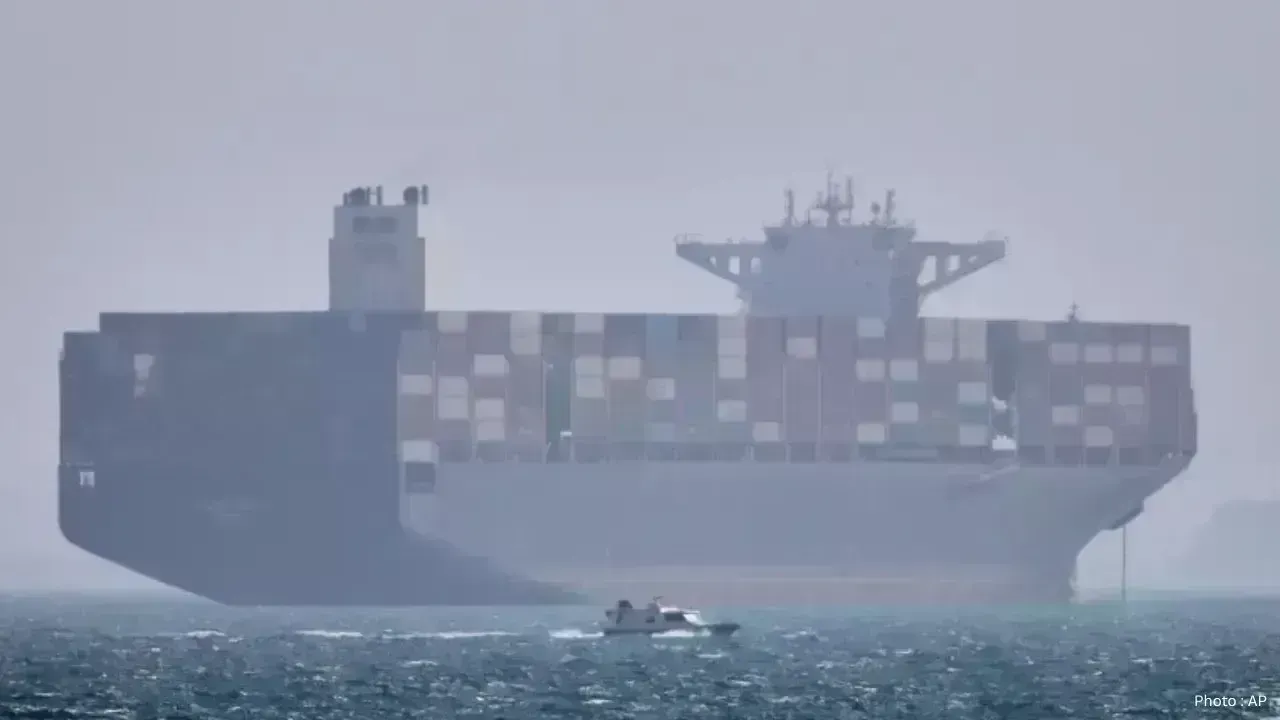
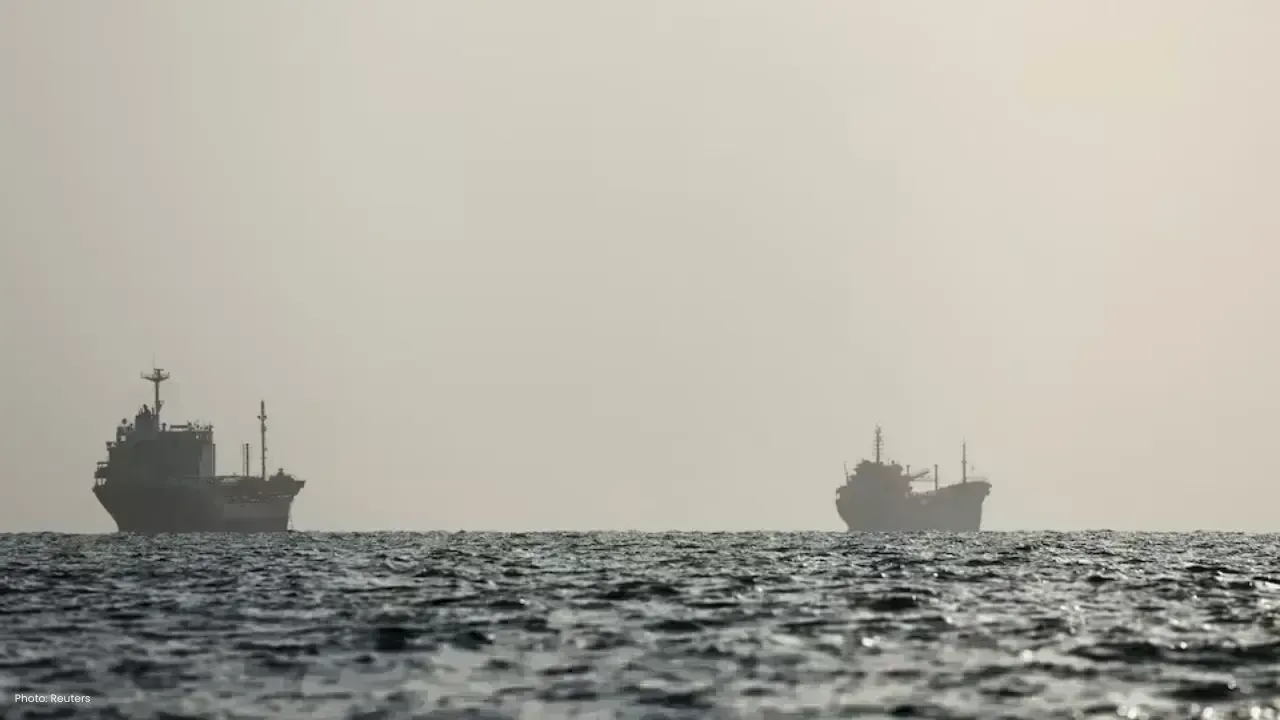
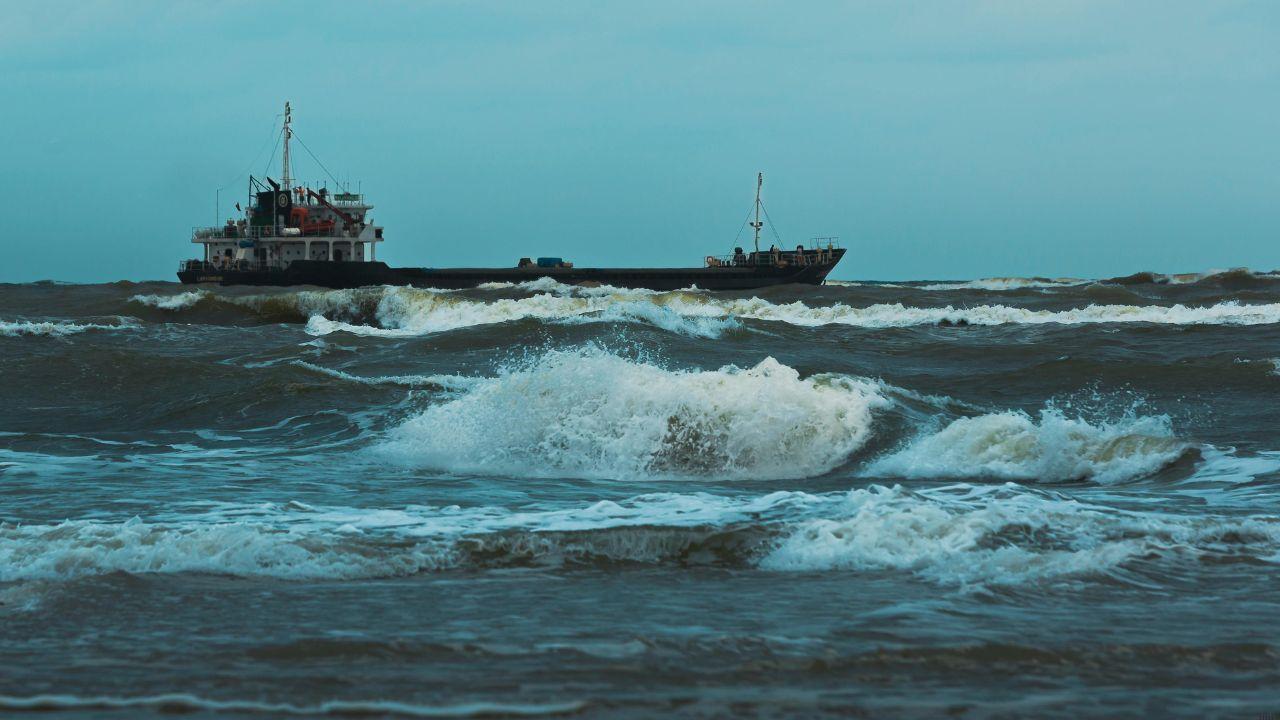
The Strait of Hormuz is a narrow passage where a significant portion of the world's oil moves daily. Any threats or interruptions here can have immediate ramifications on global oil supplies. Recent hostilities, including assaults on vessels and heightened military presence, have rendered the area increasingly volatile for oil shipments.
As a result of these heightened tensions, oil prices have soared. Markets reacted swiftly, driven by traders’ anxieties over potential scarcity. When supply seems jeopardized, prices tend to rise, and the current scenario is a case in point. Recent discussions surrounding oil prices surge 2026 and Strait of Hormuz unrest are now pivotal global conversations.
The ramifications of escalating oil prices are felt in everyday life. Increased fuel costs lead to higher transport fees, which consequently inflates the prices of various goods and services. This chain reaction can trigger inflation and exert stress on economies, particularly in nations that heavily rely on oil imports.
This ongoing situation underscores the volatility of global markets in response to geopolitical shifts. A minor dispute in a crucial area can spark significant price fluctuations worldwide, underscoring the necessity of stability in the Middle East for global well-being.
Another pressing issue is the potential long-term ramifications of this unrest. Continued or aggravated tensions might lead to substantial supply interruptions, causing oil prices to escalate further and creating economic hurdles for numerous nations.
Measures are being undertaken to safeguard shipping lanes and mitigate risks in the area. However, uncertainty remains prevalent, prompting markets to respond to every new development. Investors and governments are monitoring the unfolding events closely to gauge their impact on global energy dynamics.
This crisis also emphasizes the urgent need for energy diversification. Many countries are increasingly prioritizing alternative energy sources to diminish their reliance on oil. Emphasizing renewable energy and local production is becoming crucial for ensuring energy independence.
Simultaneously, diplomatic initiatives are vital for diffusing tensions and securing safe navigation through the Strait of Hormuz. Collaborations and peace in the area are essential for stabilizing oil prices and ensuring the equilibrium of global markets.
The recent oil price spikes linked to tensions in the Strait of Hormuz serve as a stark reminder of the interconnectedness of the global economy. Events in one region can swiftly ripple across nations, underscoring the importance of careful conflict management and sustaining stable energy supply chains.


 English