Post by : Mikhael
Al-Saeed
Revitalize Your Energy with These 6 Foods for Hypothyroidism
Hypothyroidism occurs when the thyroid gland is underactive, leading to insufficient hormone production. These hormones are crucial for regulating metabolism, energy levels, mood, digestion, heart rate, and body temperature. A sluggish thyroid can make daily activities feel cumbersome, often leading to persistent fatigue, weight gain, dry skin, hair loss, constipation, and reduced stamina.
While medication prescribed by health professionals is critical, dietary choices also significantly influence thyroid function. The right foods can enhance metabolism, elevate energy levels, and alleviate a variety of symptoms.
Below are six essential foods that naturally bolster thyroid health, keeping your body active and energized.
1. Iodine-Rich Foods: Iodized Salt, Seaweed, Fish
Iodine is vital for thyroid health. An inadequate iodine intake can prevent hormone production and may cause gland swelling and a decrease in metabolic rate.
Benefits
-
Facilitates hormone production by the thyroid
-
Averts throat swelling (goiter)
-
Ensures proper metabolic function
Top Sources
Incorporation Tips
Use iodized salt for daily cooking, enjoy seafood a couple of times weekly, and consume seaweed in moderation due to its high iodine content.
2. Selenium-Rich Foods: Brazil Nuts, Sunflower Seeds
Selenium plays a protective role for the thyroid and aids in converting thyroid hormones to their active forms.
Benefits
Best Sources
Incorporation Tips
Incorporate nuts and seeds into salads, yogurts, or breakfast dishes; a small handful is sufficient.
3. Protein-Rich Foods: Fish, Chicken, Lentils
Protein is essential for transporting thyroid hormones and maintaining feelings of fullness. It also plays a key role in preserving muscle strength.
Benefits
Best Sources
-
Fish
-
Chicken
-
Eggs
-
Lentils, legumes, tofu
Incorporation Tips
Include a protein source in every meal—breakfast, lunch, and dinner—for steady energy throughout the day.
4. Zinc-Rich Foods: Pumpkin Seeds, Chickpeas
Zinc is necessary for optimal thyroid activity. It helps to activate thyroid hormones and boosts immunity.
Benefits
-
Supports thyroid functionality
-
Strengthens immune response
-
Beneficial for skin and hair
Best Sources
-
Pumpkin seeds
-
Chickpeas
-
Cashews
-
Whole grains
Incorporation Tips
Add pumpkin seeds to salads or oatmeal, and snack on roasted chickpeas for a healthy treat.
5. Vitamin D and Calcium Sources: Milk, Yogurt, Sunlight
Many hypothyroid individuals experience vitamin D deficiency. Vitamin D collaborates with calcium to strengthen bones, hormones, and the immune system.
Benefits
Best Sources
Incorporation Tips
Aim for 10–15 minutes of morning sunlight and incorporate dairy or fortified products into your meals.
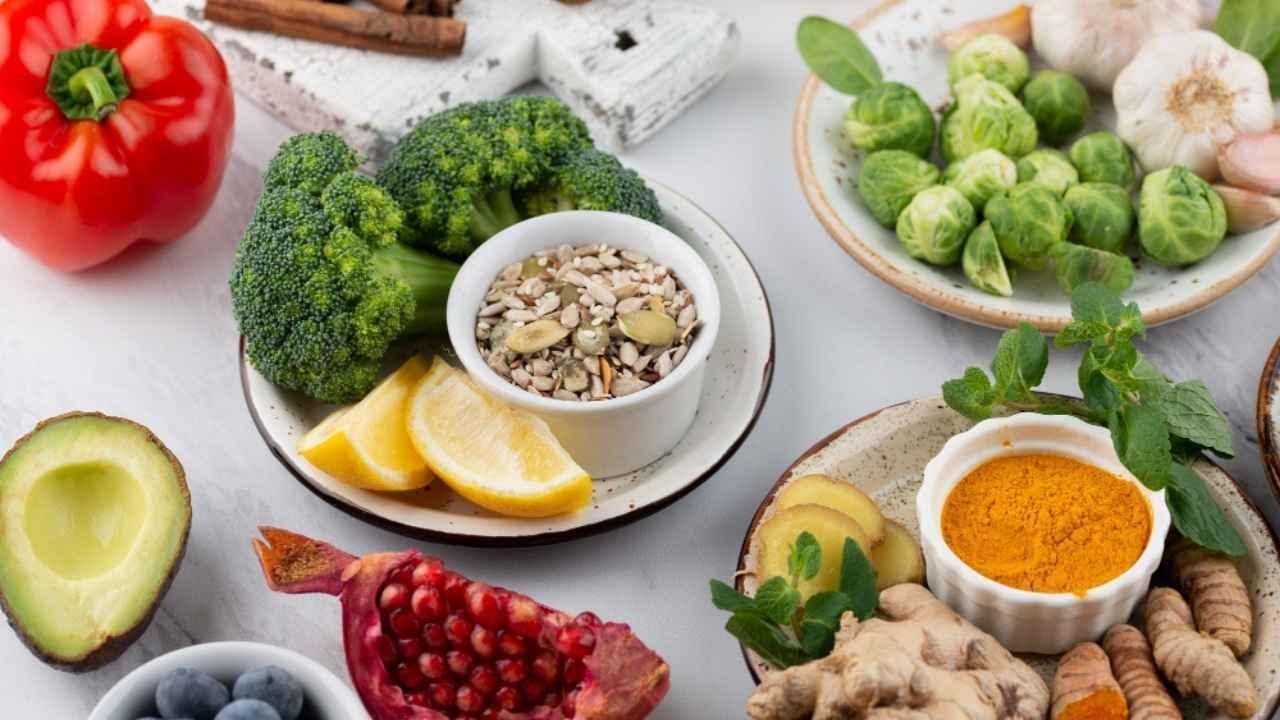
6. Anti-Inflammatory Foods: Berries, Turmeric, Leafy Greens
Chronic inflammation can exacerbate thyroid issues. Consuming anti-inflammatory foods can promote wellness and balance.
Benefits
-
Reduces inflammation
-
Supports metabolic health
-
Improves skin, digestion, and immune function
Best Sources
-
Strawberries and blueberries
-
Turmeric spice
-
Spinach, kale, and fenugreek leaves
-
Ginger and garlic
Incorporation Tips
Enjoy turmeric water, sip ginger tea, and include leafy greens in daily meals.
Avoid These Foods if You Have Hypothyroidism
Certain foods can inhibit thyroid function if consumed in excess. Reducing these foods can support better hormone balance.
Limit These Foods
-
Excess soy products
-
Raw cruciferous vegetables in large amounts (cooking mitigates their effects)
-
Refined sugars
-
Fast foods and packaged snacks
-
Gluten (only if sensitive)
Occasional consumption is acceptable; however, avoid frequent or substantial intake.
Simple Daily Meal Plan for Hypothyroidism
Breakfast
Lunch
Evening
Dinner
This diet is designed to keep energy at stable levels and promote a healthy metabolism.
Managing hypothyroidism can be challenging, but thoughtful food choices can create a significant impact. Including iodine, selenium, protein, zinc, vitamin D, and anti-inflammatory-rich foods can support thyroid function and rejuvenate energy levels. When paired with regular medical assessments and appropriate medication, a wholesome diet can enhance well-being and vitality.
Adopting a thyroid-friendly diet is a step toward improving your overall health.
Disclaimer
This article is meant for informational purposes only and should not replace professional medical advice, diagnosis, or treatment. Proper evaluation by a qualified healthcare provider is essential for managing hypothyroidism. Always consult your physician or a certified nutritionist prior to making significant lifestyle or dietary changes, especially if you have thyroid disorders or other medical conditions. Individual results may vary based on unique health circumstances.


 English