Post by : Saif
Al-Najjar
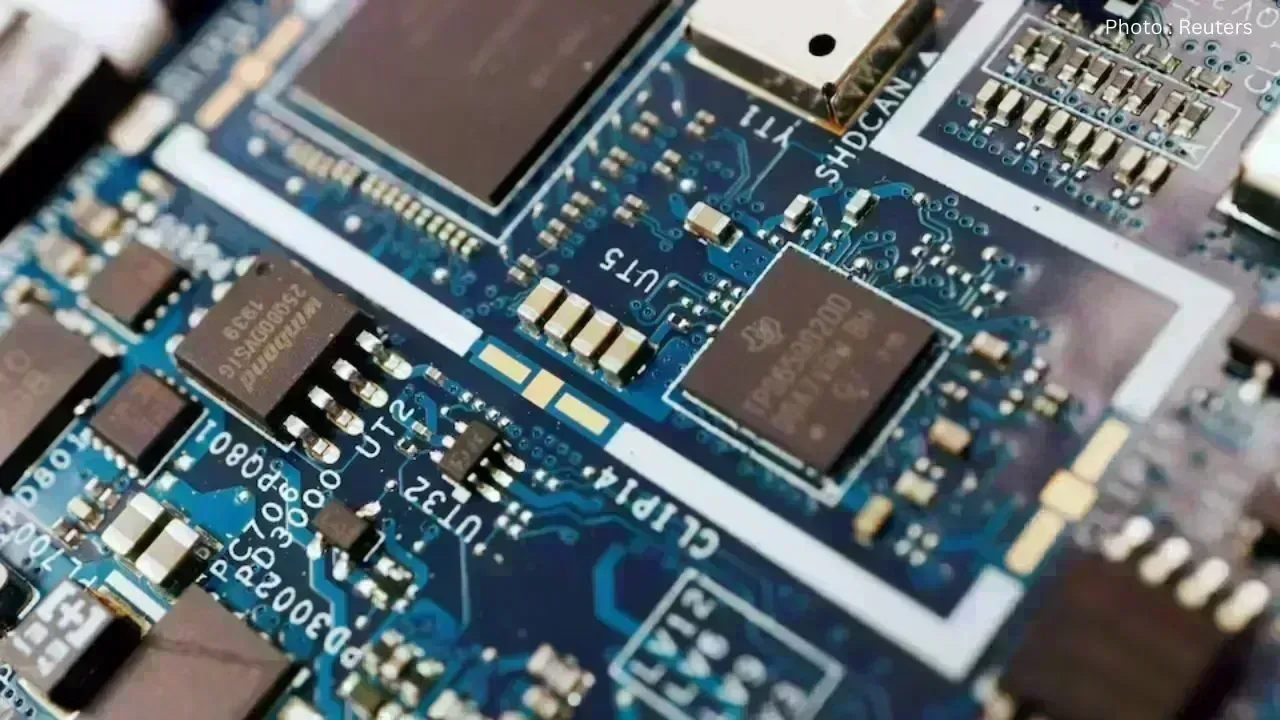
South Korea has announced that it will maintain a close watch on the recent U.S. tariffs imposed on specific artificial intelligence semiconductor chips to mitigate potential damage to its local industry. This decision follows a 25% tariff introduction by the United States on advanced AI chips, heightening worries among global chip manufacturers.
Industry Minister Kim Jung-kwan emphasized the government's commitment to monitoring the situation attentively and being prepared to respond if necessary. He highlighted that semiconductors play a critical role in South Korea’s economic framework, making it essential to remain vigilant regarding shifts in global trade policies.
The Ministry of Trade, Industry and Energy revealed that it recently engaged in discussions with officials from prominent South Korean semiconductor firms. The focus of these talks was to assess the potential implications of the U.S. decision and to strategize on managing future risks.
In line with ministry insights, businesses believe the immediate repercussions will be limited. Notably, the new U.S. tariffs exclude chips utilized in American data centers or by start-ups. As a result, many Korean companies anticipate their ongoing transactions with U.S. clients will remain stable.
However, industry representatives have voiced concerns about signals from Washington indicating that broader tariffs may be contemplated in the future. A document from the White House suggested that President Donald Trump could explore additional duties on imported semiconductors and related goods to incentivize domestic chip manufacturing.
This potential move could heighten uncertainty for South Korean enterprises. The nation is one of the leading global producers of memory chips and sophisticated semiconductors, with exports being a fundamental driver of its economic growth. Any expansion of tariffs may impact long-term strategic planning and investment efforts.
Government representatives reiterated their commitment to maintaining close communication with both U.S. officials and domestic firms. Their objective is to swiftly adjust regulations and offer assistance if trade conditions tighten.
The semiconductor landscape is already undergoing rapid transformations due to increasing demand for AI technology and intensifying global rivalry. The latest U.S. tariff action adds further strain during a period where companies are heavily investing in pioneering technologies.
Currently, South Korea views the situation as manageable but has made it clear that it is preparing for all eventualities to safeguard one of the nation’s most vital industries.


 English