Post by : Anis
Al-Rashid
Unexpected Rise in Gut-Health Queries
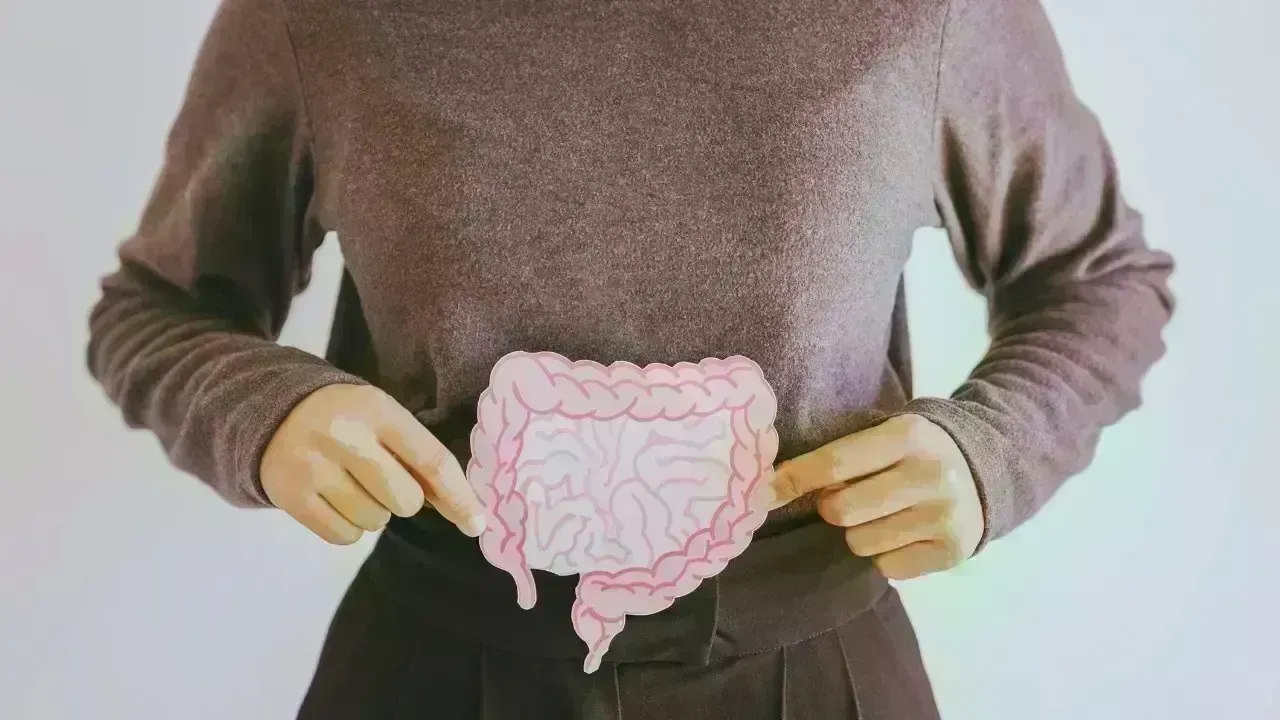
This month marked an unexpected trend: a substantial increase in individuals searching for information on and scheduling gut-health tests. Conversations surrounding gut health became pervasive—emerging from casual workplaces to intimate family discussions. Unlike transient fitness fads, this surge stems from genuine health concerns—digestive unease, heightened stress levels, irregular habits, erratic eating, and an increased understanding of the gut’s role in overall health.
For many, testing for gut health transitioned from being a specialized diagnostic method to an essential wellness step. This shift wasn’t due to one specific event but a widespread recognition that gut health significantly affects energy levels, mood, immunity, and even sleep quality. People paused to ponder: “Is my gut influencing my overall health more than I thought?”
This piece covers the reasons behind this spike in public interest, what gut-health testing entails, and the impact this trend is having on our daily approaches to health.
Reasons Behind the Rise in Interest
While gut health has always been important, various real-life factors propelled it into mainstream discussions this month.
1. Increased Digestive Discomfort Reports
As work routines become less predictable, digestive complaints have noticeably heightened. More individuals noted experiencing:
Rather than dismissing these concerns as typical, many sought solutions, escalating the demand for gut-related assessments.
2. Unstable Lifestyles
Irregular meal times, extended commutes, late-night snacking, heightened caffeine intake, and fewer homemade meals contributed to digestive irregularities. Individuals began correlating these symptoms with lifestyle changes and sought clarity.
3. Rising Stress Levels
With increased stress this month, many were unaware of the direct effects stress has on digestion—altering gut bacteria, slowing processes, and inducing discomfort. Once this connection was highlighted, interest in gut-health testing rapidly increased.
4. Heightened Immunity Discussions
With seasonal illnesses on the rise, many recognized that 70% of the immune system is related to gut health. This understanding encouraged evaluations of their digestive health as part of broader immunity strategies.
5. Social Media Influence
Engaging short videos, concise posts, and authentic testimonials increased awareness around gut issues. People connected with others' success stories—feeling revitalized and clear-headed after focusing on gut health. This relatable narrative spurred many to explore their own testing options.
Understanding Gut-Health Testing
Gut-health testing is not merely a single procedure; it encompasses a series of assessments aimed at evaluating the digestive system comprehensively. These tests assess:
The objective is to gain a comprehensive understanding of gut functionality and its influence on overall health.
This month, testing wasn't sought from a place of fear, but rather from a quest for clarity.
Rising Awareness of the Gut–Mind Relationship
A major factor behind the rise in interest was the increased focus on the gut–brain link. People discovered that the gut is often referred to as the “second brain” due to its production of neurotransmitters like serotonin, which affect mood, stress, and emotional well-being.
Conversations this month underlined how gut imbalances can lead to:
As such, people began linking their emotional well-being to their digestive health—and testing became a natural first step towards understanding.
Work Professionals Leading the Charge
Significantly, working professionals have been driving the increase in gut-health testing. Long hours, inconsistent diets, caffeine overload, and stress created numerous digestion-related issues.
Among common patterns in this demographic were:
As a result, many individuals faced chronic bloating, constipation, or fatigue. When gut-health testing became a topic of interest, professionals perceived it as a chance to reset their health.
Family Engagement with the Trend
Families also embraced this surge in gut-health awareness. Parents particularly noticed digestive changes in their children, with shifts in appetite, sudden allergies, hyper-acidity, and irregularity in bowel habits. Similar symptoms often appeared in elderly relatives.
Rather than guessing at issues, families sought gut-health tests to proactively diagnose underlying concerns. This month characterized an approach focused on preventive care over reactive solutions.
From Treating Symptoms to Addressing Underlying Issues
Traditionally, digestive complaints were viewed as temporary inconveniences:
However, this month, individuals recognized that these recurring issues pointed toward deeper systemic imbalances. Gut-health testing provided insights missing from previous remedies.
People were eager for deeper understanding, such as:
-
Which foods suit their body best?
-
Is their microbiome sufficiently diverse?
-
Are they facing enzyme deficiencies?
-
Is inflammation the cause of their discomfort?
-
What lifestyle factors impair their digestion?
This demand for foundational insights has spurred the testing increase.
What Participants Learned from Their Tests
Individuals who took part in gut-health assessments this month shared similar revelations:
1. Unrecognized Food Intolerances
Many found they had previously undetected food intolerances, such as dairy or gluten sensitivities.
2. Imbalanced Bacteria
Tests uncovered low levels of beneficial bacteria alongside elevated harmful microbes.
3. Stress-Related Indicators
Participants learned stress affected their digestive processes more significantly than they had understood.
4. Prevalence of Inflammation
Gut inflammation surfaced as a larger issue than anticipated.
5. Nutritional Absorption Issues
A few individuals discovered they were not absorbing vitamins effectively, leading to fatigue.
These findings prompted people to adjust their diets, routines, and habits.
Advancements in Digital Health Testing
This month also saw increased availability of at-home testing kits and user-friendly scheduling via digital health platforms. This accessibility encouraged more individuals to engage in testing without the reluctance of visiting in-person clinics.
At-home testing offered advantages like:
The convenience further fueled the trend.
The Influence of Wellness Communities
Support networks, online wellness communities, and workplace health initiatives also played a role in this trend. People openly shared experiences, insights, and motivation, leading to a deeper understanding of their health journeys.
This communal approach rendered gut health a topic of lifestyle enhancement rather than merely a medical concern.
Changes in Eating Behaviors Driven by Gut-Health Testing
Upon gaining insights into their gut health, individuals adjusted their dietary habits:
-
Increased emphasis on home-cooked meals
-
Greater intake of fiber-rich foods
-
Reduction in processed snacks and sugar
-
Heightened consumption of fermented foods
-
More conscious portion sizes
-
Focus on hydration
-
Establishment of regular eating patterns
This behavioral change wasn't about adopting fleeting diets, but driven by personalized insights.
Impact on Physical Fitness and Energy
Participants noted significant updates in fitness and energy levels this month:
For many, gut health revealed itself as an essential piece of their fitness journey.
This Trend Is Here to Stay
What began as curiosity has developed into a lasting commitment to wellness. Gut-health testing provides a vital service that modern lifestyles urgently require: tailored guidance and preventive measures.
This month highlighted key aspects:
-
There is a demand for personalized health insights
-
Digestive concerns cannot be overlooked
-
Wellness decisions are evolving into informed choices
-
Emotional health is linked to digestive function
-
Preventive testing is becoming commonplace
Gut health isn’t just a passing trend—it is increasingly a foundational aspect of contemporary wellness.
Final Thoughts
The rise in gut-health testing this month symbolizes a broader cultural shift. People are tired of uncertainty regarding their health. They seek clarity and actionable insights. As lifestyle-related stressors and unpredictable habits continue to affect well-being, gut-health testing has emerged as an effective tool in improving health outcomes.
The message is clear: the gut is a crucial channel of communication for health. This month, individuals finally started to pay attention.
DISCLAIMER:
This article serves informational purposes only. Gut-health testing should be considered under the guidance of qualified healthcare professionals. Individual outcomes and health needs might differ.


 English