Post by : Sami
Al-Rahmani
The Essential Life Skill of Saying ‘No’
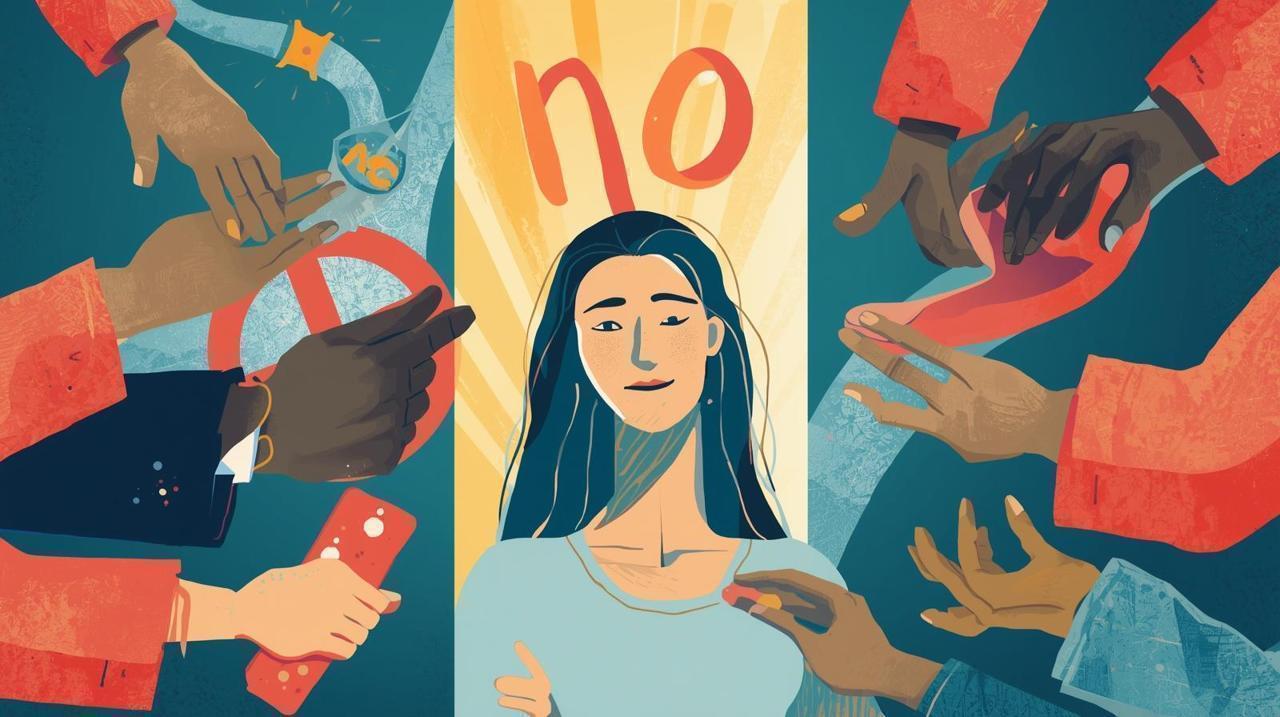
In a world that demands constant engagement, the pressure to agree to everything—from extra assignments to social obligations—has never been higher. While it may seem easier to say “yes,” this often results in stress, burnout, and loss of control. Saying “no” has become a crucial skill that safeguards mental well-being, helps establish boundaries, fosters self-respect, and allows for prioritizing what truly matters in life. This article delves into the importance of mastering the art of saying no, how to do it confidently, and the transformative effects it can have on your life.
The Dangers of a ‘Yes Culture’
Many individuals have been conditioned to believe that agreeing to everything makes them more appealing or cooperative, but this comes at a hidden cost.
Consequences of Overcommitting
You take on tasks that don’t align with your desires.
Your schedule fills with obligations that distract from your goals.
Mistakes multiply due to taking on too much.
Ultimately, saying “yes” too often equates to saying “no” to your own well-being and priorities.
The Empowering Nature of Refusing
Saying no is not a rejection of others; it’s an act of self-care. Mental health professionals highlight that establishing boundaries is vital for emotional health and nurturing interpersonal relationships.
Advantages of Boundaries
Reduces anxiety and stress levels.
Enhances self-esteem and confidence.
Increases clarity and improves decision-making.
Frees up time for pursuits that matter.
Every time you decline a request, you affirm the value of your time and energy.
Boosting Productivity Through No
Successful individuals tend to fiercely guard their time, aware that being overly available diminishes focus and leads to subpar results.
The Power of Selectivity
It allows you to focus on what truly propels you forward.
You sidestep distractions that appear as opportunities.
You open up mental space for deep, strategic tasks.
Saying no is not simply a refusal—it becomes a framework for productivity.
Prioritizing Mental Health with No
Burnout has emerged as a significant concern for professionals globally, largely originating from an inability to set limits.
How Saying No Benefits Mental Well-being
You mitigate emotional overwhelm.
You break free from the cycle of people-pleasing.
You avoid feelings of fatigue and bitterness.
You safeguard your personal time and relaxation.
Establishing limits is essential, not a sign of selfishness.
Enhancing Relationships Through Boundaries
Contrary to common belief, saying no can strengthen relationships.
Healthy Relationships Respect Boundaries
They appreciate honesty.
They prefer clarity over forced agreement.
They trust you more because of your clear communication.
Strong relationships require transparency, not overcommitment.
The Challenges of Refusing
Despite its benefits, many find it hard to decline due to guilt, fear of conflict, disappointment, or missing out.
Common Mental Blocks
You may fear being judged.
You might take on the responsibility for others' happiness.
You could worry about missing valuable opportunities.
Recognizing these patterns is crucial for overcoming them.
Effective Strategies for Declining Requests
Mastering the art of saying no takes practice.
Practical Techniques
Use concise, clear sentences instead of lengthy explanations.
Offer alternatives only when genuinely willing.
Utilize time buffers: “Let me check and get back to you.”
Be polite yet firm; avoid excessive apologies.
These methods maintain respect in your interactions without straining relationships.
Long-Term Gains from Saying No
When you start prioritizing your commitments, your life will change profoundly.
Long-Term Advantages
Increased time for personal development.
Improved work-life balance.
Stronger, healthier relationships.
Enhanced career success as your energy is more focused.
Your daily decisions begin to align with your long-term objectives.
Self-Respect through No
By declining draining tasks, you affirm your dedication to your well-being.
Building Self-Respect with Boundaries
Your choices become more intentional.
You manage your energy effectively.
Your goals gain the focus they need.
This transformation lays a stronger foundation for a fulfilling life.
Conclusion
Saying no transcends simple refusals—it’s about defining your priorities, safeguarding your mental health, and regaining control over your life. In a culture that thrives on constant engagement, mastering the skill of saying no is vital for achieving long-term success and well-being. This skill serves as a powerful boundary-setting tool and a form of self-respect that everyone should cultivate.
Disclaimer
This article is intended for informational purposes only and should not substitute for professional psychological or mental health advice. Personal situations vary, and it’s advisable to seek guidance from qualified professionals when implementing boundary-setting strategies. The writer holds no responsibility for outcomes arising from the application of this information.


 English