Post by : Sami
Al-Rahmani
The Remarkably Advanced Communication Technologies of the 1950s
When reflecting on the 1950s, many envision a simpler time devoid of smartphones and social media. However, this era was marked by sophisticated communication technologies that laid the groundwork for our modern connected world. From pioneering computers to enhanced telephone systems, the decade fostered innovations that redefined communication.
The Evolution of Long-Distance Communication
Even without mobile phones, long-distance communication thrived—significantly faster and more dependable than ever.
Advancements in Telephone Networks
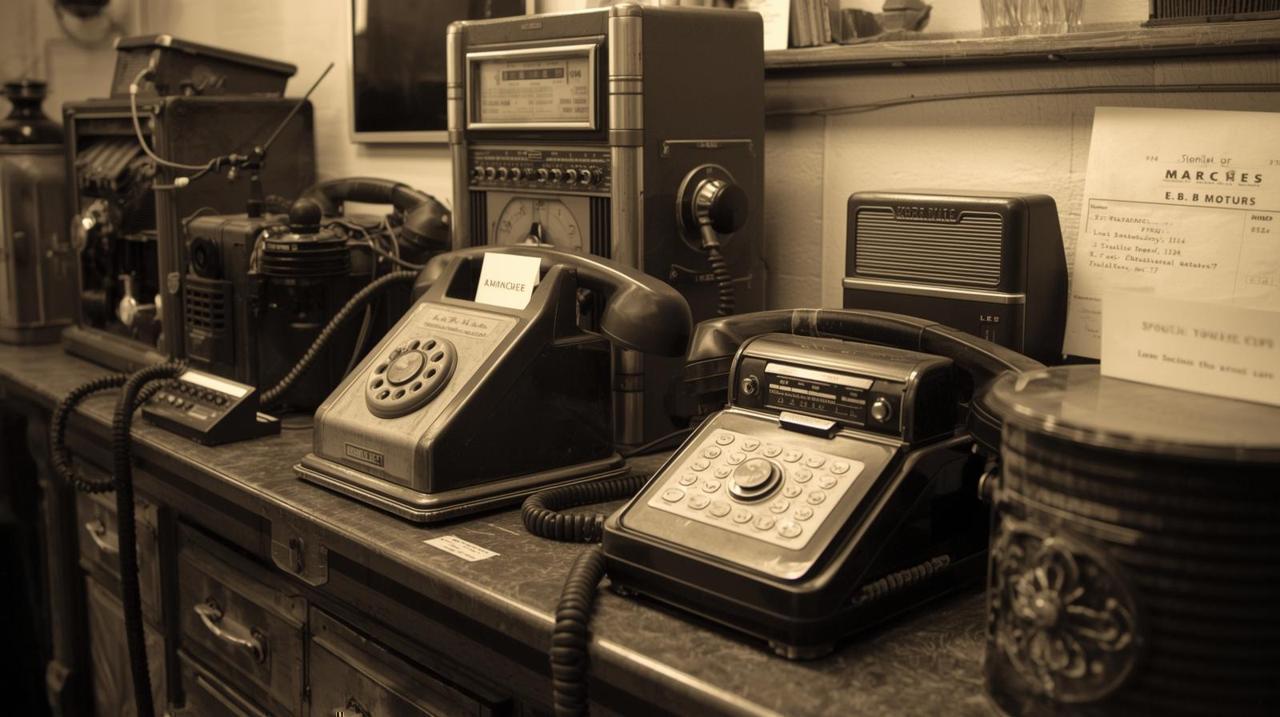
Global phone systems underwent expansion, allowing calls to connect nearly instantly thanks to automated switch systems. This advancement shifted communication from manually connected lines to electromechanical switches, enhancing speed and privacy.
Coaxial Cables and Microwave Towers Revolutionized Connectivity
Newly established coaxial cables and microwave relay towers linked cities and nations more effectively, enabling multiple conversations simultaneously—which improved both personal and business communications.
Television Emerges as a Dominant Communication Medium
By the mid-1950s, television became the primary source of news and entertainment worldwide.
The Revolutionary Role of TV
Television surpassed newspapers in speed and brought live broadcasts into homes, allowing viewers to share national events in real time. Cutting-edge transmission towers and early satellite-like systems cemented TV's status as a top communication tool of the decade.
Radio: The Original Wireless Medium
Long before mobile data, radio offered real-time global wireless communication.
Unnoticed High-Tech Features
Shortwave radio connected individuals worldwide. It facilitated instant transmission of weather reports, maritime communications, and emergency broadcasts. The radio infrastructure of the 1950s represented the nascent form of wireless mass communication.
Fax Machines: Early Document Transmission Devices
Long before the ubiquitous use of fax machines in the '90s, their technology had roots in the 1950s.
The Mechanics of Faxing in the 1950s
Fax machines scanned documents, converting them into electrical signals sent over phone lines. The receiving machine reconstructed these signals instantly, making faxing an essential tool for urgent communications and contracts.
Computing in the 1950s: A New Frontier
The evolution of computers was rapid during this time, despite their size and cost.
Transformative Early Computers
These machines outperformed human data processing speeds, automating telecommunications. They were utilized in various fields, including weather forecasting and military communications—UNIVAC famously predicted the 1952 U.S. election outcome, demonstrating early data communication's potential.
Telex Messaging: The Precursor to Digital Communication
Telex served as a vital communication tool that operated similarly to today's digital messaging systems.
Understanding Telex Operations
Users typed messages that were transmitted through teleprinter networks, appearing instantly on printed sheets at the receiving end, supporting businesses and news organizations in real-time communication across countries.
Air Mail: The Swiftest Messaging Service
Before the digital age, air mail routes enabled rapid message delivery.
The Advantages of Air Mail
Specialized aircraft designed for mail transport and advanced global routing systems reduced delays remarkably—letters could arrive in major cities within 24 hours, a significant feat for the time.
Satellite Communication's Beginnings
The late 1950s heralded the launch of Sputnik, the first artificial satellite.
Sputnik's Impact on Communication
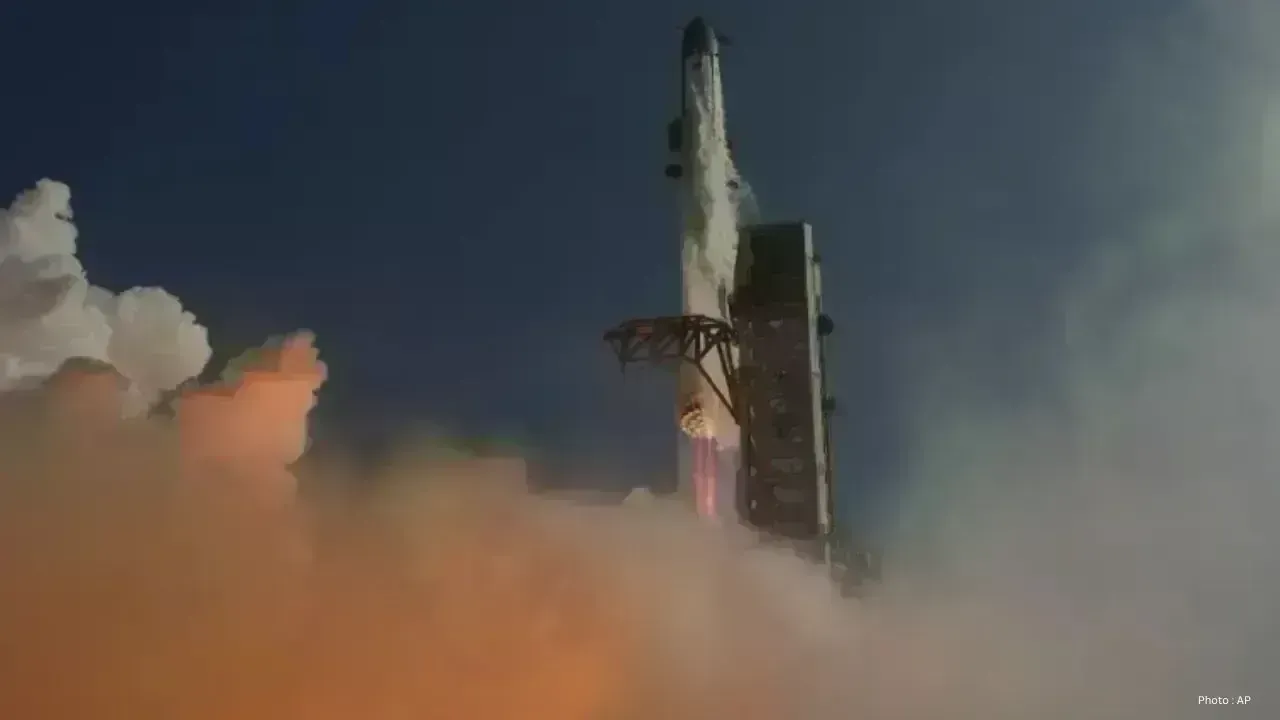
This marked the inception of global wireless transmission capabilities, laying the groundwork for modern satellite communications, GPS, and high-speed data transfer.
Military Innovations That Shaped Communication
Many communication technologies of the 1950s stemmed from defense research.
Public Technologies Born from Military Research
Military advancements contributed radar, secure radio channels, and early computer networking models—foundational technologies for contemporary communication.
Unexpected Advancements in Household Communication Devices
Everyday devices in homes were notably sophisticated for their time.
Noteworthy Household Communication Tools
Push-button phones were in testing phases, automatic long-distance dialing emerged, and home radios supported multiple frequencies, marking significant innovation milestones of the 1950s.
In Conclusion
The 1950s were anything but a low-tech era; they marked the inception of high-speed communication, early computing advancements, and global connectivity. The innovations of this decade paved the way for technologies we now use daily, from smartphones to video calls, revealing the progressive nature of technological evolution.
Disclaimer
This article is meant for general informational purposes, exploring the historical advancements in communication technologies during the 1950s. It should not be seen as technical or professional guidance. While the information is based on established historical facts, readers should independently verify details when using this content for research or academic uses.


 English