Post by : Anis
Al-Rashid
The Revival of Nature Prescriptions
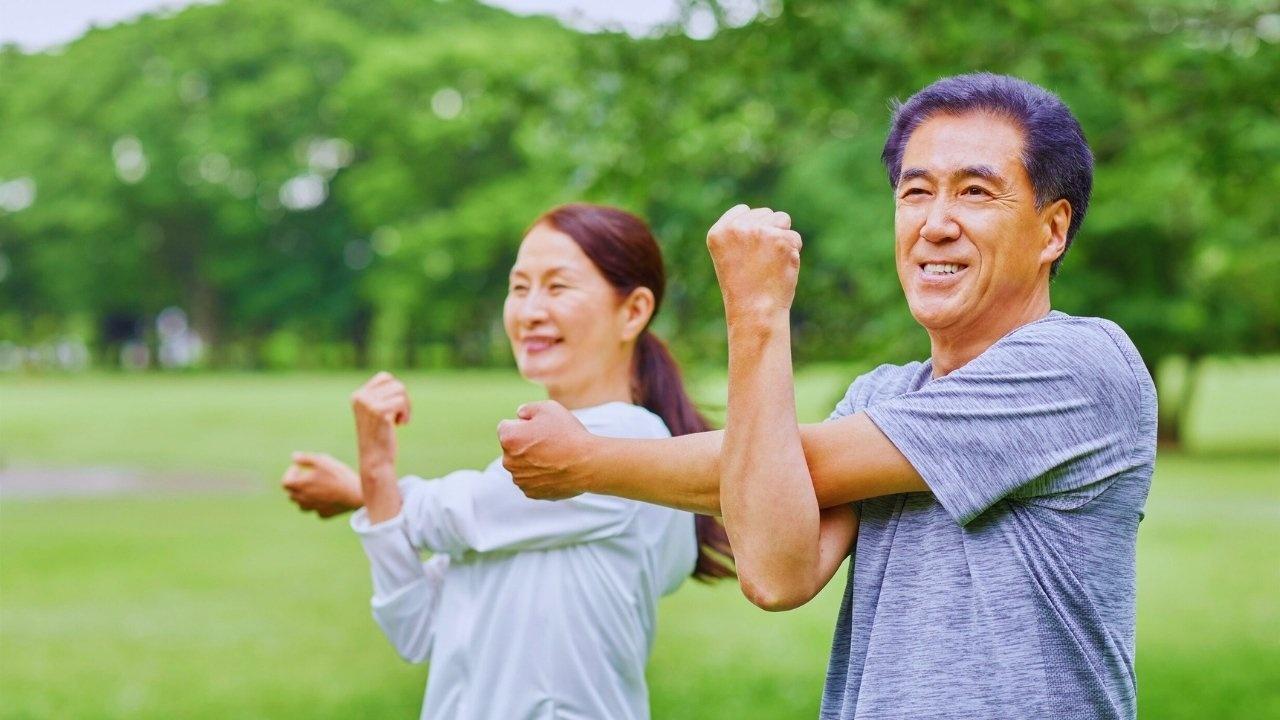
Gone are the days when healing was confined to clinics or apps; it now embraces the great outdoors. As we step into 2025, healthcare providers and wellness advocates are reclaiming a timeless concept: spending time in nature can rejuvenate the mind and body in ways that medications sometimes cannot.
This trend isn’t mere nostalgia or a passing fad. Backed by clinical research, outdoor therapy—often referred to as nature therapy or green-care—demonstrates significant benefits, such as reduced anxiety, improved sleep, enhanced mood, and increased cognitive abilities. Rather than simply advising patients to “relax” or “de-stress,” practitioners are now prescribing specific outdoor activities like park strolls, nature trails, forest-bathing, and community gardening.
In a world increasingly dominated by screens, where daily life is often limited to indoor environments, the pendulum is swinging back towards nature—towards green spaces, sunlight, fresh air, and the soothing sounds of the environment.
Understanding the Nature Deficit
The Shift to Indoor Lifestyles
Today, the majority dwell in urban settings, predominantly indoors, using enclosed methods for commuting and leisure. Accessing natural landscapes has become a planned endeavor.
This disconnect has serious repercussions, such as increased stress, sleep disruption, strained eyesight, and sedentary habits. Humans evolved in natural settings—our systems still crave movement and sensory experiences linked to the outdoors.
Digital Overload and Mental Health Challenges
We live in a relentless flow of information. This can result in emotional burnout and anxiety, particularly for young adults, who often face heightened stress due to chronic digital exposure.
Combating Isolation with Nature
Despite being surrounded by people, many experience profound loneliness. Nature, particularly enjoyed in group settings, has shown to be an effective remedy, leading to a rise in hiking clubs, outdoor meditation groups, and community gardens.
The Essentials of Outdoor Therapy
Outdoor therapy encompasses much more than merely spending time outdoors; it’s structured, deliberate, and often guided through:
-
Guided nature walks and mindful hikes
-
Forest bathing for immersive nature experiences
-
Park-prescription initiatives
-
Therapies near water bodies like rivers and lakes
-
Outdoor yoga and meditation sessions
-
Gardening as therapy
-
Adventure therapy, including hiking and camping
-
Wildlife observation and bird watching
-
Cultural explorations in nature
The approach is straightforward: by letting nature nurture the nervous system, the body naturally follows suit.
The Research Supporting Nature's Benefits
Lowering Stress Hormones
Research shows that exposure to nature can decrease cortisol levels, even brief exposures of 10 to 20 minutes can elicit measurable relaxation.
Mood Enhancements through Nature
Nature helps activate the parasympathetic nervous system which can enhance mood through the release of serotonin and dopamine.
Improved Immune Function
Natural oils from trees bolster immune defense. Frequent interactions with nature can elevate natural killer cell production, crucial for combating disease.
Enhanced Focus and Cognitive Health
Time spent in nature reduces mental fatigue, boosting attention span and creativity for both children and working adults facing burnout.
Sleep Quality Improvements
Sunlight exposure can help regulate sleep patterns, while outdoor activities lessen internal stress, leading to better sleep outcomes without medication.
Who Is Advocating for Nature Prescriptions?
Healthcare Providers
General practitioners are integrating nature prescriptions in treatment plans for:
While nature doesn’t replace medication, it reinforces the healing foundation.
Corporate Well-Being Initiatives
Employers, especially in tech sectors, are encouraging outdoor breaks, nature-infused workdays, and team hikes to mitigate burnout and boost creativity.
Educational Institutions
Schools are reinstating outdoor activities, nature-focused programs, and clubs as they recognize the benefits of nature on student behavior and learning.
City Planning
Urban areas are prioritizing parks, greenways, and accessible natural areas. It’s clear that healthy cities thrive on greenery, not just concrete.
The Emerging Culture of Nature-Wellness
Forest Bathing Retreats
Inspired by Japan’s “shinrin-yoku,” these retreats promote mindfulness through guided walks, helping individuals reconnect with nature.
Community Engagement Through Nature
Social media, once criticized for promoting disconnection, now has communities encouraging nature exploration, bird-watching, and sustainable travel.
The Rise of Mindful Travel
Travelers are prioritizing eco-friendly stays, camping trips, and wellness resorts over overcrowded conventional destinations, fostering a deeper, more enriching experience.
Urban Green Healing
Outdoor therapy isn't just reserved for the wilderness. Even urban environments offer healing opportunities through:
-
Strolls in local parks
-
Reading under trees
-
Morning sun exposure on balconies
-
Practicing yoga al fresco
-
Maintaining indoor plants
-
Family outdoor evenings
-
Midweek mini-walks and nature outings on weekends
Access to green space relies more on intent than proximity.
Reviving Outdoor Play for Children
Childhood was once characterized by outdoor adventures. Today, kids are more accustomed to digital interactions than interacting with nature. Outdoor activities enhance:
Parents and schools are beginning to recognize this, leading to a resurgence of nature clubs and outdoor sports.
Nature Provides Resilience for Young Adults
As young adults navigate academic stresses and career uncertainties, outdoor therapy is becoming a common grounding practice. Activities like hiking, cycling, and community yoga are turning into essential lifestyle choices for emotional well-being.
In nature, individuals can escape the burdens of digital life; simplicity offers solace—just breathe, move, and tune into surroundings.
Creating a Nature Routine (No Equipment Needed)
Simple Daily Practices
-
Take a brief 10-minute walk in sunlight
-
Stretch and enjoy tea on the balcony
-
Relax in the park during evenings
-
Walk to local shops instead of driving
Weekly Outdoor Engagements
-
Plan a weekend hike
-
Host a family picnic in the park
-
Enjoy walks by the riverfront
-
Spend time gardening or planting
Seasonal Nature Activities
-
Explore a local trail or hill
-
Experience a camping trip
-
Spend the weekend at the beach
-
Engage in a morning bird-watching session
Nature mandates no significant effort—just regular engagement.
The Future of Outdoor Therapy
Nature therapy is not a temporary trend; it is reshaping healthcare, lifestyle, and tourism paradigms. Anticipate the following developments in the coming years:
-
Nature prescriptions integrated into healthcare systems
-
Creation of forest therapy spaces in urban environments
-
Workplaces investing in outdoor wellness programs
-
Academic institutions fostering mindfulness through nature
-
Grassroots movements promoting outdoor free time
-
Vacations encouraging digital detox
Well-being transcends digital fitness trackers and gym memberships—it is about establishing a way of life intertwined with nature.
Final Thoughts: Returning to our Roots
After years prioritizing convenience and technology, society is realizing the importance of nature, elements that ground us to the earth—sky, sunlight, and the vitality of nature itself.
Outdoor therapy serves not as an escape from modern society but rather as a remedy for imbalance. Within nature, tranquility doesn't require pursuit; it’s an innate experience. The body re-energizes, the mind finds peace, and attention returns to our roots, allowing stress to ebb away naturally.
This wave of wellness isn’t rooted in futurism; it’s primal—back to where our well-being started and is gradually circling back.
Disclaimer:
This article is intended to provide insights into outdoor therapy. It should not replace professional medical advice. Consult healthcare providers before making any treatment changes.


 English