Post by : Anis
Al-Rashid
A New Approach to Health: The Kitchen as a Healing Space
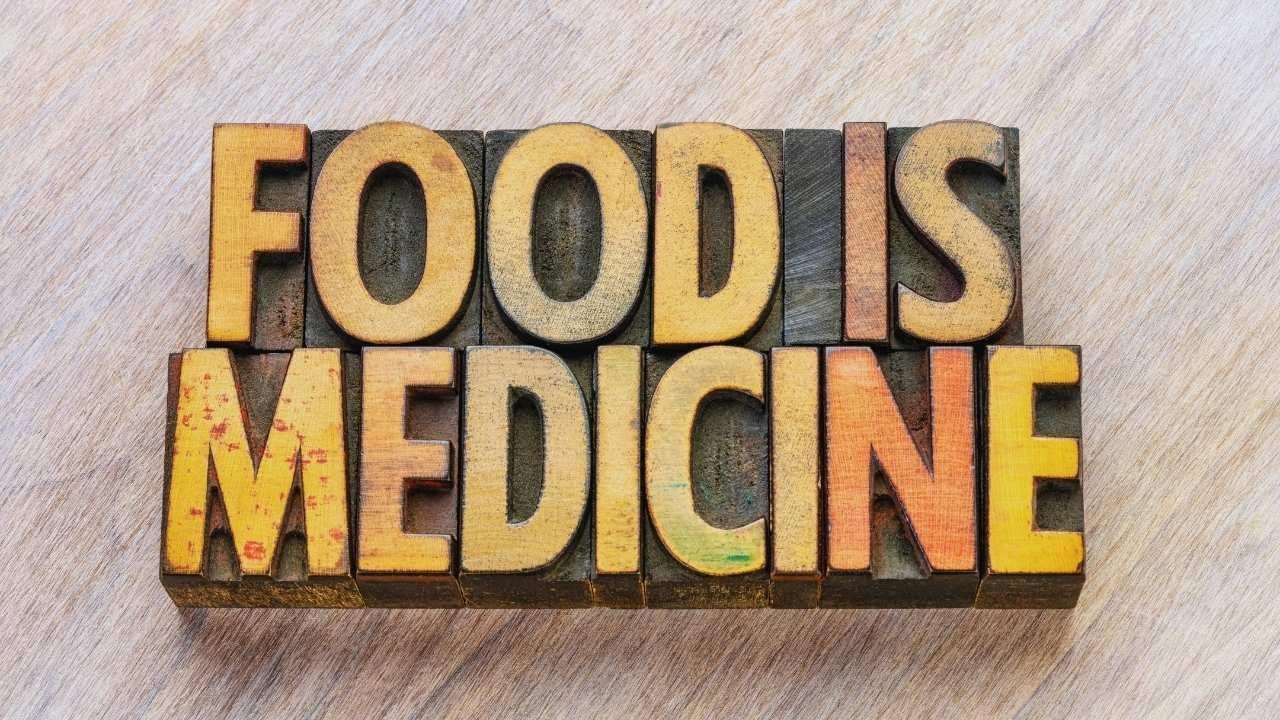
For a long time, medicine was defined by the pills we took when unwell. Capsules were seen as the solution, while food was merely viewed as sustenance.
However, the rise in lifestyle-related diseases has changed this perspective. Conditions such as diabetes, gut health problems, and chronic fatigue have shifted healthcare discussions.
Doctors are now realizing the most effective treatment might not be in a bottle but on our plates.
We're seeing a revolutionary trend where healthcare providers are prescribing whole foods, nutritional guidelines, and grocery lists alongside medications.
Healing is transitioning from pharmacies to fresh markets.
Prescriptions now emphasize natural ingredients over synthetic compounds.
This shift hasn’t happened overnight; we are simply revisiting wisdom generations old.
Understanding the Resurgence of Food as a Therapeutic Tool
The human body thrives not only on medicines but predominantly on the nutrients we consume. Food influences our biology in ways that pills cannot.
Factors Contributing to This Shift
-
Diet-related chronic diseases and stress
-
Exhaustion from ultra-processed foods
-
Insights from gut-brain studies
-
Growing awareness of metabolic health
-
The rise of preventive healthcare
-
The medical field’s acceptance of nutritional science
-
Financial burdens of chronic medication
-
Acute realization that lifestyle conditions require lifestyle changes
Modern medicine is undeniably powerful but flourishes best when complemented by nutritional knowledge.
As healthcare integrates with nutritional wisdom, the stethoscope meets the spice rack.
Grocery-Focused Clinics: A Transformative Experience
Visiting progressive wellness clinics now reveals unexpected elements:
-
A dedicated nutrition advisory counter
-
A display board featuring seasonal vegetable specifics
-
A “grocery prescription section”
-
QR codes linking to grocery checklists
-
Fermentation jars for digestive health demonstrations
-
Opportunities for cooking classes focused on nutrition
-
Information boards on plant-based proteins and dals
-
Recipe booklets centered on millet
-
Nutrition coaches accessible alongside conventional pharmacists
Where traditional prescriptions might say “Take this pill twice daily,” new advice is more about dietary choices, such as:
-
“Incorporate 1 cup of dal in your daily diet.”
-
“Swap your evening snacks for sprout-filled bowls.”
-
“Use cold-pressed oils instead of refined.”
-
“Consume fermented foods at least three times weekly.”
-
“Choose whole fruits with fiber over fruit juices.”
-
“Make vegetables half your plate.”
Medicine is not disappearing, but food is taking a leading role.
India's Contribution: A Nation Rekindles Its Culinary Heritage
Food as medicine is not a new concept for India; it has been a lifestyle for centuries.
-
Turmeric milk has long been a tradition, not just a fleeting trend.
-
Kanji, buttermilk, and curd rice supported gut health before scientific backing.
-
Methi, ajwain, and saunf were organic aids for digestion.
-
Ghee has been about enhancing nutrient uptake rather than mere indulgence.
-
Lentils and millets provided full nutrition long before protein supplements became popular.
This age-old wisdom is gaining validation through modern science.
Understanding Grocery Prescriptions
Modern food prescriptions resemble medical ones but are inherently more delicious.
Common Inclusions
-
Whole grains such as millets and brown rice
-
Protein sources like dal, eggs, and legumes
-
Healthy fats from nuts and seeds
-
Lists of seasonal produce for rotation
-
Fermented items
-
Hydration suggestions like herbal teas
-
Advice on spices for health benefits
Typical Exclusions
It’s not about eliminating foods but enhancing them. Food is being elevated, softened, and anchored.
Evolution of Nutritional Consultations
Modern clinics are embracing:
This is because health encompasses not just medications but holistic habits, dietary choices, and mental frameworks.
The most potent health tool continues to be routine.
The Emergence of Food Pharmacies and Fresh Food Deliveries
Some clinics are pairing up with subscription services to offer:
-
Weekly fresh vegetable deliveries
-
Regionally sourced grains
-
Protein portion kits
-
Pre-prepared fermentation kits
-
Spice blends for health
-
Millet-based meal plans
-
Gut-friendly food boxes
-
Diabetic-friendly options
Additionally, some healthcare facilities provide locally sourced grocery packages to secure high-quality produce.
The supply chain transforms into a health network.
Fitness Aligns with Nutrition
Fitness centers are now embracing nutrition labs alongside their gyms.
Evolving Perspectives
| Old Beliefs |
New Beliefs |
| Burn calories |
Nourish before exercise |
| Protein shake focus |
Balanced meals take precedence |
| Fear of carbohydrates |
Intelligent carb timing |
| Indulgent cheat meals |
Conscious choices |
| Rigid workout mentality |
Wellbeing through habits, sleep, and meals |
Food enhances fitness; it doesn't sabotage it; it is the key to success.
Food's Influence on Mental Well-being: A Necessary Conversation
Food increasingly impacts mental health initiatives.
Why does this matter?
-
Gut flora can influence emotional states
-
Micronutrients play a vital role in brain function
-
Consistent energy levels help stabilize anxiety
-
Whole foods may mitigate inflammation linked to mood disorders
Using food in therapy is more than a concept; it's a scientific reality.
Comfort comes from foods like warm dal.
Nutrients such as magnesium are calming.
Probiotic-rich curd can help balance stress levels.
Our emotions can indeed reside in our digestive systems.
The Role of Physicians as Culinary Guides
Healthcare providers can't just focus on medications anymore; they must educate on:
-
How to interpret food labels effectively
-
Actual protein needs specific to individuals
-
Crafting a balanced plate simply
-
The importance of oil quantity
-
Fibre's role in gut health
-
The benefits of mindful eating practices
Visualize a doctor sketching a plate of chapati, sabzi, and dal instead of simply dosing medications.
Care is regaining its human touch.
Communities as Sources of Wellness
Cities are seeing a rise in community-focused food initiatives:
-
Clubs focused on millet cuisine
-
Local fermentation collectives
-
Subscription groups connecting with farmers
-
Workshops on nutrition at community kitchens
-
Cooking circles for senior citizens
-
Corporate learning sessions around lunch meals
Health becomes communal.
Recovery becomes a shared experience.
Communities that break bread together heal together.
A Return to Culinary Wisdom
Food as medicine should not be perceived as an industry trend; it’s a fundamental restoration.
-
Temporary health fixes
-
Long-term reliance on medications
-
Wild glucose fluctuations
-
Tablet-based solutions for gut problems
-
Fitness culture devoid of nutrition
-
Guilt from emotional eating
They’re embracing simplicity over confusion.
Fresh herbs over synthetic enhancers.
Natural herbs over chemical remedies.
Seasonal produce over overly packaged items.
Whole grain rotis over chemically processed snacks.
This feels innovative only because we have strayed from basic truths.
Challenges Facing the Food Prescription Movement
While the change looks promising, it won’t come effortlessly.
Key obstacles include:
-
Affordability of fresh food in urban settings
-
Access to essential food literacy
-
Busy lifestyle barriers
-
Advertising dominance of processed foods
-
The medical field's gradual adjustment
-
Gaps in food knowledge
-
Emotional ties to convenience foods
Change has to be a collective effort, not an individual burden.
What Lies Ahead for Food Prescriptions
Future expectations include:
-
Meal kits designed for metabolic health delivered like prescriptions
-
Wearable tech linked to dietary guidance
-
Local farmer agreements with public health institutions
-
Nutritive therapy sessions in corporate settings
-
Nutrition guidance in educational institutions
-
Insurance perks for lifestyle compliance
-
AI-driven grocery recommendations
-
Diaries tracking food-mood relationships
-
Recipe prescriptions accessible via QR codes
-
Nutrition programs for less privileged communities
The evolution of medicine is transcending hospitals, reaching into kitchens, communities, and fields.
Final Thoughts: True Health Resides in Our Cooking Traditions
We are not crafting something new; we are reconnecting with inherent truths.
Health is found not just in packaged solutions but in:
-
Ginger steeped in water
-
Turmeric infused in ghee
-
Freshly prepared curd
-
Dal cooked patiently
-
Vegetables prepared with care
-
Seasonally appropriate fruits
-
Consistent hydration throughout the day
-
Instinctive spice balance
The future clinic is not a sterile environment.
It exudes culinary aromas.
It’s inviting like home.
And it all begins with a wholesome breakfast.
The medicine of tomorrow is plated, not packaged.
And the prescription reads in flavors rather than ingredients.
Disclaimer
This article reflects emerging trends in nutrition and wellness but is not a replacement for professional medical advice. Always consult qualified healthcare providers before significantly altering one’s diet, especially those with specific health conditions.


 English