Post by : Sami
Al-Rahmani
Transformations in Global Supply Chains Post-Red Sea Crisis
Disclaimer: This article serves as general information and is not financial or legal advice.
Introduction: A Crisis That Shook Global Trade
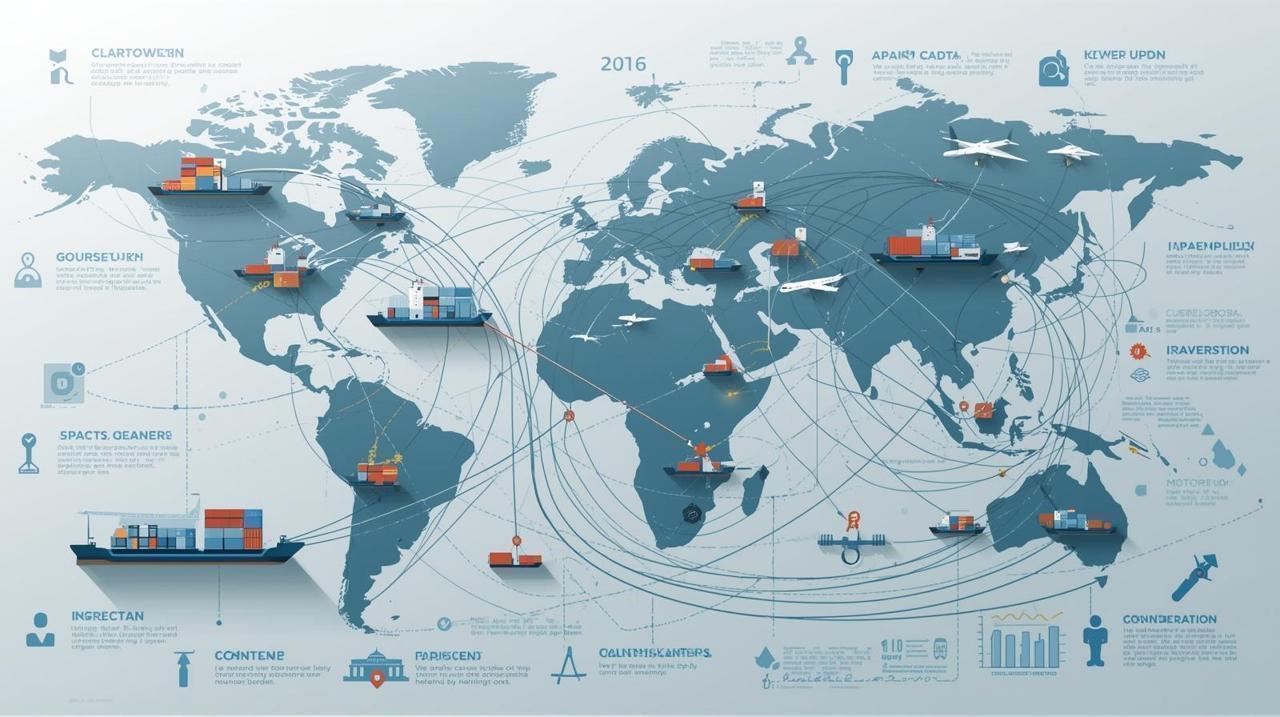
The Red Sea crisis disrupted one of the world’s busiest maritime routes, forcing major shipping companies to divert vessels, extend transit times, and rethink logistics strategies altogether. What began as a regional security issue soon affected global markets, from rising shipping costs to delayed product deliveries. Today, the world is witnessing a major reset in how global supply chains operate, especially for regions heavily dependent on maritime trade like Europe, Asia, and the Middle East. This article explains how these changes are shaping new trade patterns, technologies, and long-term planning for businesses.
Why the Red Sea Matters for Global Trade
The Red Sea is a strategic trade artery connecting the Mediterranean Sea to Asia through the Suez Canal, handling nearly 12% of global trade. It is especially critical for shipping industries dependent on fast east-to-west routes. When disruptions began, shipping lines faced increased insurance, longer travel distances, and operational uncertainties. These pressures triggered a series of new approaches that businesses are now adopting to stay resilient.
Higher Costs Directly Impacted Global Markets
When vessels were rerouted around the Cape of Good Hope, the journey added up to 14 extra days. This strongly impacted:
Higher freight rates
Increased fuel consumption
Delayed inventory cycles
Disruptions for retail, automotive, and electronics sectors
These cost escalations pushed companies to rethink their supply chain diversification strategies, a strong emerging keyword in global logistics today.
Key Shifts Happening in Global Supply Chains After the Crisis
Businesses worldwide are taking major steps to reduce risk, avoid bottlenecks, and diversify sourcing. Here are the most significant changes shaping the future of supply chains.
1. Companies Are Increasing Nearshoring and Onshoring
Nearshoring means shifting production closer to the end consumer. The crisis accelerated this shift as businesses recognized the risks of depending on a single route or region. Nations in Eastern Europe, the Middle East, and Southeast Asia are becoming new manufacturing hubs. Nearshoring strategies also reduce shipping times, limit disruptions, and help companies maintain a more stable supply chain.
2. Rise of Multi-Route Logistics Planning
Before the crisis, companies relied on the Suez route as their primary shipping corridor. Now, more businesses are building multi-route logistics models, which include:
Alternative maritime routes
Rail corridors
Air-freight hybrid solutions
Land-bridge strategies through GCC and Central Asia
Using multiple routes gives companies flexibility when unexpected geopolitical events occur.
3. Major Investments in AI and Predictive Logistics Technologies
The crisis showed how vital real-time data and automation are for global operations. As a result, companies are now rapidly adopting technologies such as:
AI-based route optimization
Blockchain for secure trade documentation
Robotics in warehousing to reduce delays
IoT sensors for cargo tracking
Predictive analytics helps shipping companies avoid risky areas, plan fuel use, and maintain schedules with higher accuracy.
4. Increased Regional Trade Within the GCC and Middle East
The Red Sea disruptions inspired GCC countries to strengthen regional trade connectivity. Initiatives like:
The GCC Railway Project
Expanded port capacities in UAE, Saudi Arabia, and Oman
New logistics free zones
These developments help reduce dependency on global routes by strengthening internal networks. The UAE’s position as a global logistics hub further accelerated, especially through Jebel Ali Port and major air-cargo routes.
5. Diversification of Manufacturing to Reduce Dependency on Asia
Many companies are shifting away from over-reliance on East Asian manufacturing. Countries like India, Vietnam, Mexico, and the UAE are emerging as alternative production hubs. This trend reduces exposure to maritime chokepoints and allows companies to build more balanced global supply chains.
6. Growth of Sustainable Shipping Practices
The crisis also led to higher fuel costs, pushing companies to explore greener alternatives. Trends include:
Use of biofuels
Testing hydrogen-powered vessels
Adoption of slow-steaming techniques
Environmental regulation compliance
These sustainable shifts are not just ecological; they also offer long-term cost benefits as fuel prices fluctuate globally.
7. Stronger Focus on Supply Chain Resilience Over Cost-Cutting
Previously, companies prioritised low-cost sourcing. After the Red Sea situation, resilience now matters more. This includes:
Supplier diversification
Risk mapping
Building excess inventory for critical goods
Developing emergency response strategies
The shift shows how businesses now value stability over minor savings.
How UAE and GCC Are Benefiting From This Shift
The UAE, already a global logistics powerhouse, is taking advantage of the supply chain reset by investing in:
Smart ports
Advanced air-cargo networks
Logistics free zones
Digital-trade platforms
Dubai and Abu Dhabi are positioning themselves as central nodes in the new global trade map, helping companies bypass unstable routes and maintain smooth operations.
What It Means for Consumers and Businesses
For consumers, the shift may mean temporary price fluctuations, especially in imported goods. For businesses, the new supply chain model brings long-term advantages:
Shorter lead times through alternative hubs
Reduced dependency on high-risk routes
Better adoption of automation and technology
Stronger regional partnerships
While the crisis created short-term disturbances, the long-term effect is a more secure and diversified global trade ecosystem.
Final Thoughts
The Red Sea crisis served as a pivotal moment that reshaped how businesses view logistics and global sourcing. With rising geopolitical uncertainties, companies are embracing resilience, technology, and diversification as the new pillars of modern supply chains. As nations like the UAE continue to build world-class logistics infrastructure, the global trade system is heading toward a more flexible, technology-driven, and secure future.


 English