Post by : Raina
Al-Fahim
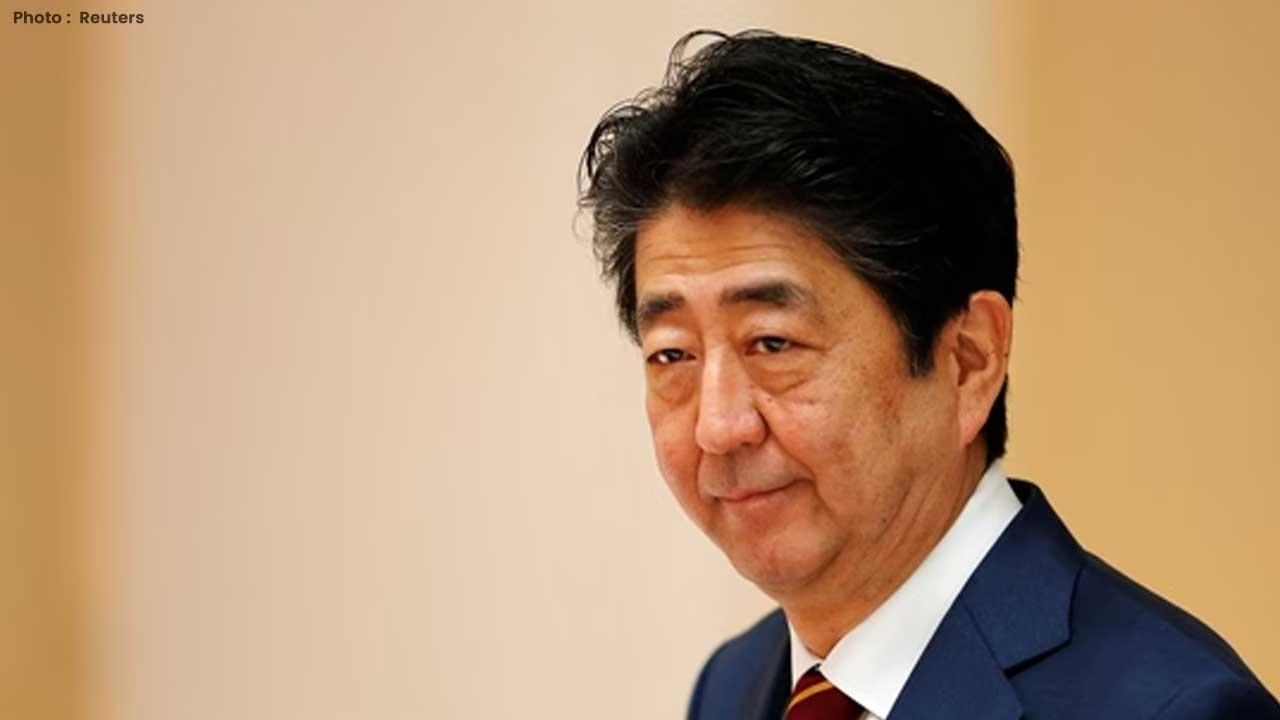
The man charged with killing former Japanese prime minister Shinzo Abe went on trial today, drawing attention across Japan and abroad. The proceedings reopen examination of the July 2022 attack and coincide with a diplomatic meeting between Prime Minister Sanae Takaichi and visiting U.S. President Donald Trump, both allies of the late leader.
Prosecutors say 45-year-old Tetsuya Yamagami was detained immediately after allegedly firing a homemade weapon at Abe during a campaign event in Nara City. The assassination shocked a nation known for strict firearms rules and low violent crime rates. The case will probe the motive and wider social issues exposed by the killing.
Authorities report Yamagami held a grudge against the Unification Church, blaming the group for his family’s financial troubles after his mother reportedly donated close to 100 million yen (about $660,000). He is said to have believed Abe’s public support for the organisation made the politician partly responsible for his family’s hardship. The trial is prompting renewed scrutiny of links between politics and religious organisations.
The Unification Church, founded in South Korea in 1954, has global reach and is known for large wedding ceremonies. Post-assassination disclosures showed more than a hundred ruling Liberal Democratic Party lawmakers had some ties to the group, sparking public anger and eroding trust in political figures. Prime Minister Takaichi faces pressure to limit the administration’s connections to the church while keeping party cohesion.
Court hearings began at Nara District Court at 2 p.m. (0500 GMT) today; 17 additional sessions are scheduled through year-end and a verdict is expected on January 21. Officials say Yamagami plans to admit to the killing but may dispute aspects of the charges under Japan’s Firearms and Swords Control Act. Legal analysts note the outcome could set an important precedent in how Japan addresses political violence.
Public reaction remains intense. Many citizens describe the killing as an assault on democratic norms, while others express sympathy for the defendant’s personal plight yet condemn his use of violence. The ruling is likely to influence security policy, political culture, and relations between politics and religion for years ahead.
As foreign leaders, including Donald Trump, acknowledge Abe’s legacy, Japan faces a moment of reckoning between mourning and charting its political future. The trial is being watched as a measure of the country’s judicial response and societal resilience.


 English